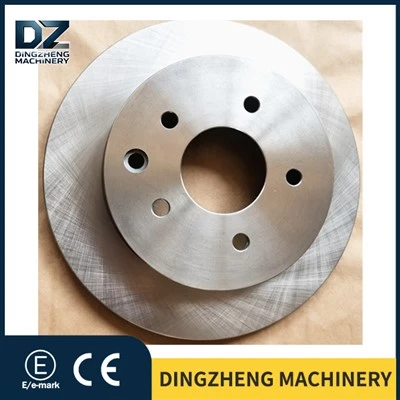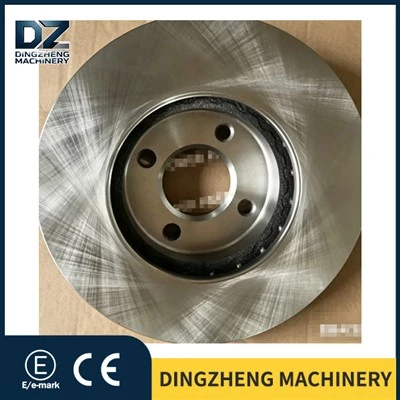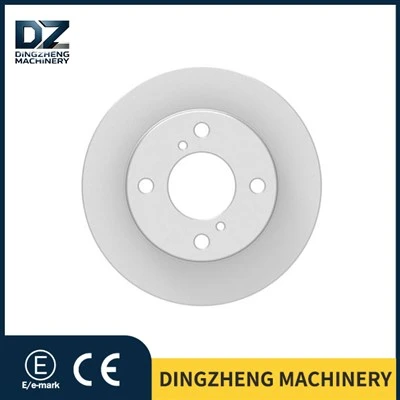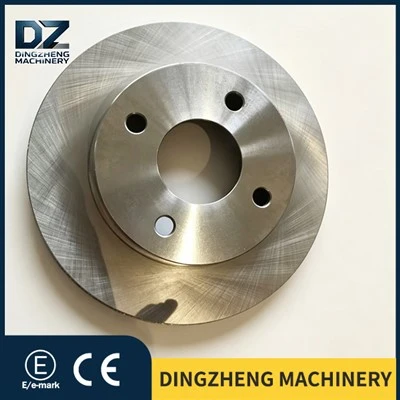

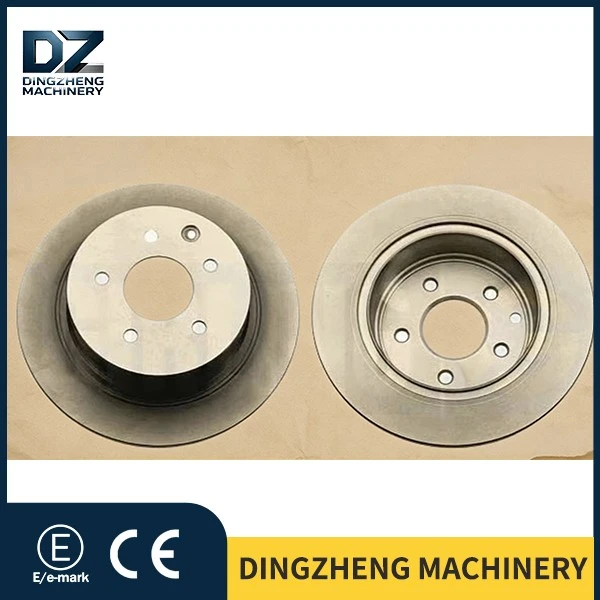
Product Introduction
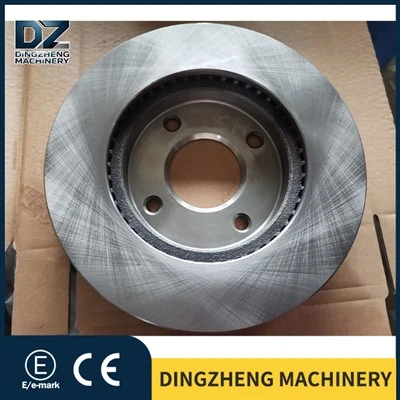
As the core rotating component of the disc brake system, it rotates together with the wheels. During braking, it converts the vehicle's kinetic energy into heat through friction with the brake pads, thereby achieving stable and efficient deceleration and stopping.
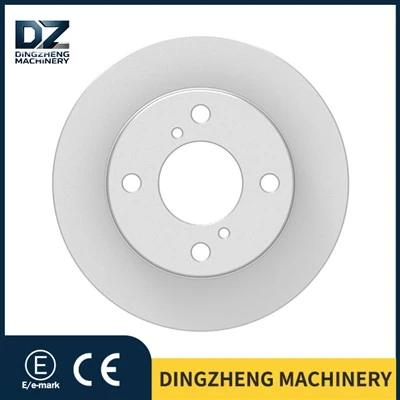
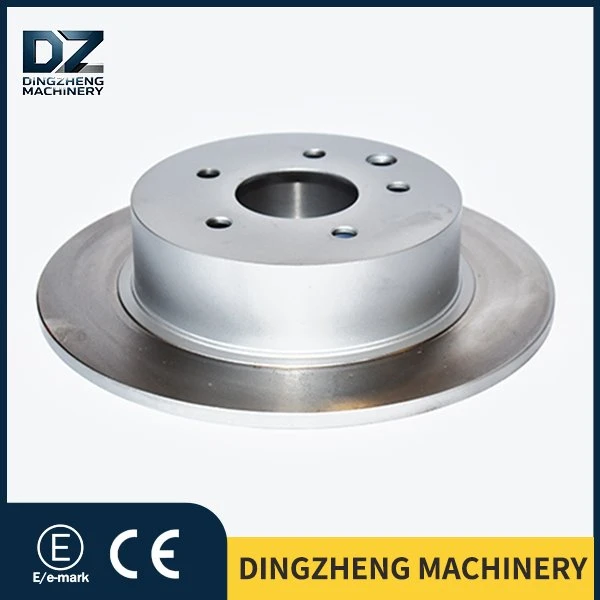
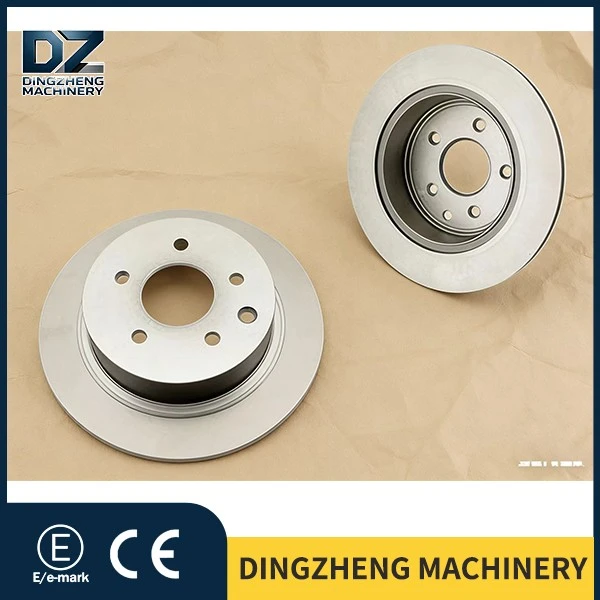
Manufactured in strict accordance with original factory specifications and quality standards, this product ensures a perfect match with the vehicle's brake system. Its core design is engineered to deliver reliable braking force, excellent heat dissipation performance, and long-lasting durability. For vehicle owners or maintenance technicians needing to replace rear brake discs, selecting the Rear Brake Disc for Nissan Qashqa 4581001 with the correct specification and reliable quality is fundamental to ensuring driving safety.
Product Parameter
|
Location |
Rear Brake |
Diameter |
291.5mm |
|
Brake Disc Thickness |
9mm |
Minimum Thickness |
8mm |
|
Centering Diameter |
68mm |
Height |
62mm |
|
Number Of Holes |
5 |
Pitch Circle Diameter |
114.3mm |
|
Solid Or Vented |
S |
Weight |
4.9kg |
Car Model
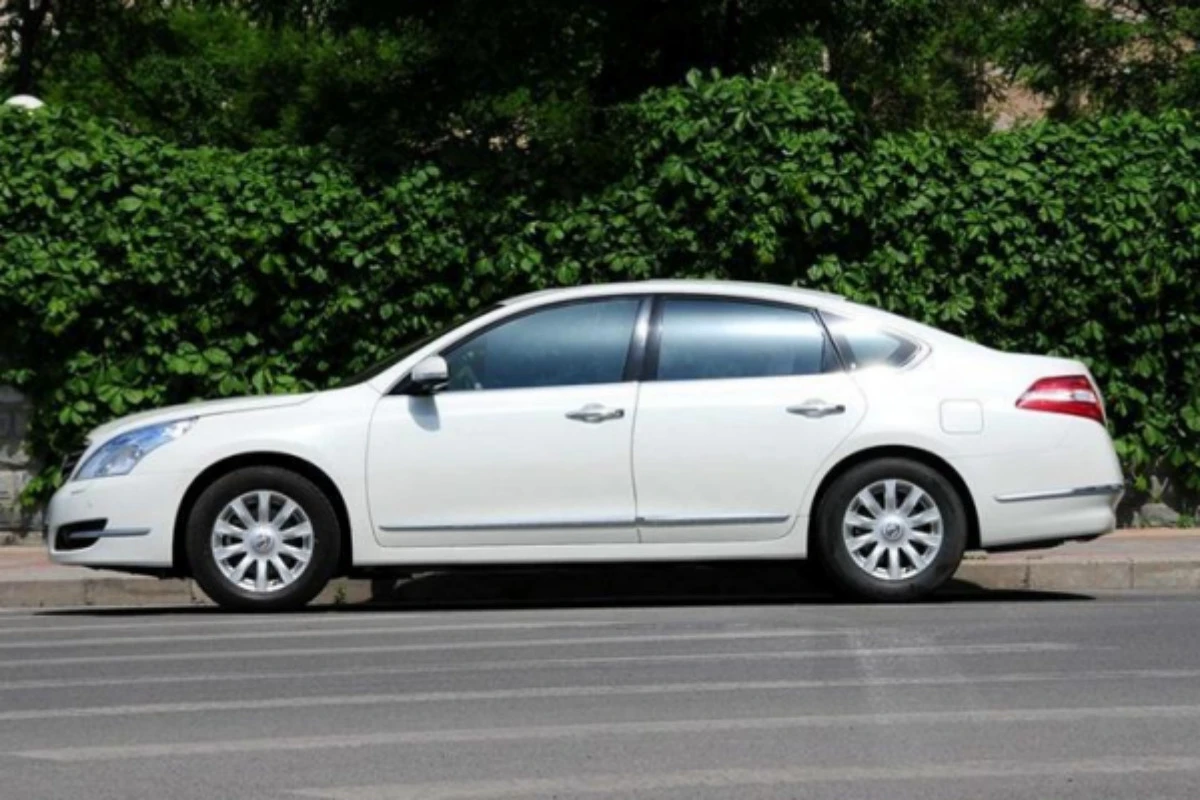
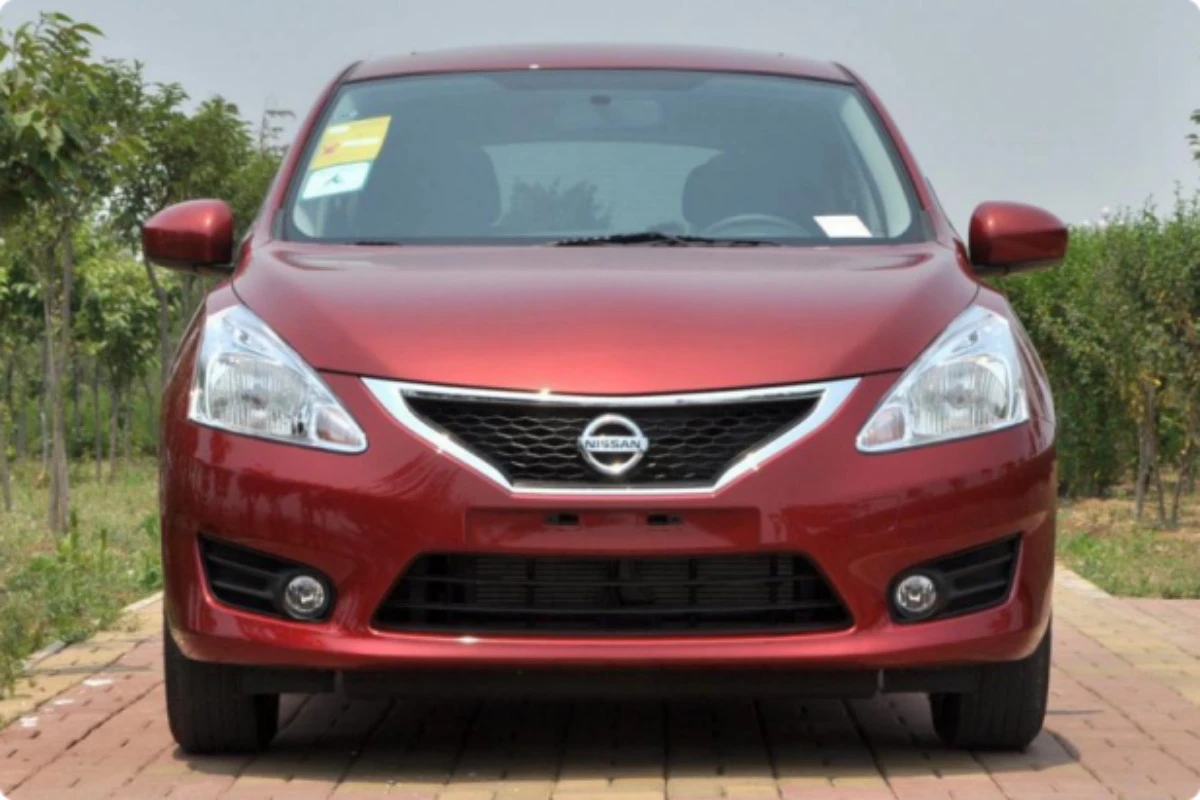

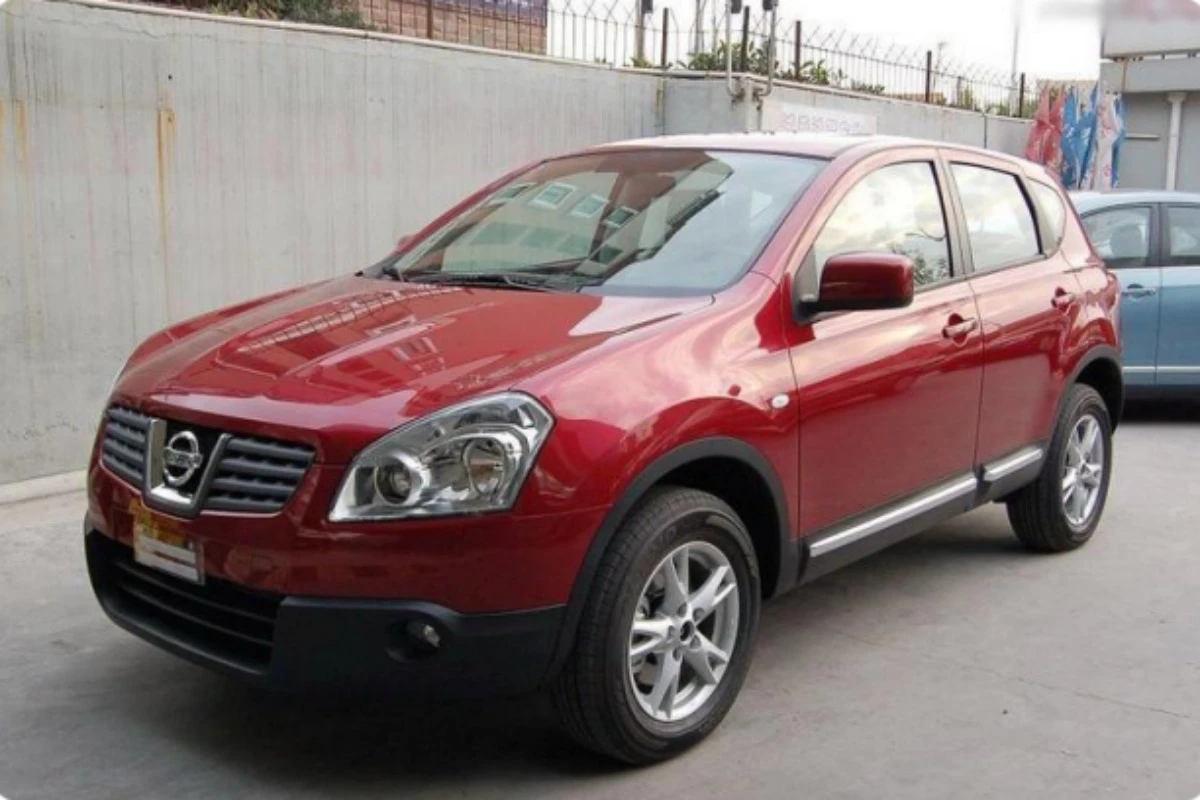
Dongfeng Nissan Qashqai (J10) Dec 2007-
Dongfeng Nissan Sylphy (B17) 2012/07-
Dongfeng Nissan TEANA 2016/07-
Dongfeng Nissan Teana (J32) Jun. 2008-
Dongfeng Nissan Tiida (C12) 2011/05-
Aeolus A60, 2012/03-
NISSAN Altima 4-2.5L F/inj. (16V) DOHC QR25DE 2002-2009
NISSAN Altima 4-2.5L F/inj. (16V) DOHC QR25DE 2010
NISSAN Altima V6-3.5L D.I. (24V) QOHC VQ35DE 2010
NISSAN Altima V6-3.5L F/inj. (24V) DOHC VQ35DE 2002-2009
NISSAN Altima Hybrid 4-2.5L F/inj. (16V) DOHC QR25DE 2008-2009
NISSAN Maxima V6-3.5L F/inj. (24V) DOHC VQ35DE 2004-2008
NISSAN Sentra 4-2.5L D.I. QR25DE (A) 2010
NISSAN Sentra 4-2.5L D.I. QR25DE (B) 2010
NISSAN Sentra 4-2.5L D.I. QR25DE (C) 2010
NISSAN Sentra 4-2.5L F/inj. (16V) DOHC QR25DE 2008
NISSAN Sentra 4-2.5L F/inj. QR25DE (B) 2009
NISSAN Sentra 4-2.5L F/inj. QR25DE (C) 2008-2009
Reference No.
There are different corresponding codes for the Rear Brake Disc for Nissan Qashqa 4581001
|
ACDelco |
18A1321 |
OE |
432068J100 |
|
AIMCO |
31312 |
OE |
432068J101 |
|
ATE |
24010901571 |
OE |
432068J102 |
|
BENDIX |
145398 |
OE |
432069W000 |
|
BENDIX |
562576BC |
OE |
432069W100 |
|
BENDIX |
PRT5398 |
OE |
432069Y000 |
|
BOSCH |
0986479362 |
OE |
43206JA00A |
|
BREMBO |
08A71510 |
OE |
43206JD00A |
|
BREMBO |
08A71511 |
OE |
43206JD00B |
|
CENTRIC |
12042073 |
OE |
43206JE20A |
|
CENTRIC |
12142073 |
OE |
43206JN80A |
|
FERODO |
DDF1590 |
OE |
4581001 |
|
JURID |
562576JC |
RAYBESTOS |
980070 |
|
LPR |
N2017P |
RAYBESTOS |
980070R |
|
MINTEX |
MDC1906 |
TEXTAR |
92167500 |
|
OE |
432062FL0A |
TRW |
DF6051 |
|
OE |
432063TS0A |
TRW |
DF7369 |
|
OE |
432063Z600 |
WAGNER |
BD126003 |
|
OE |
432067Y000 |
Surface Treatment
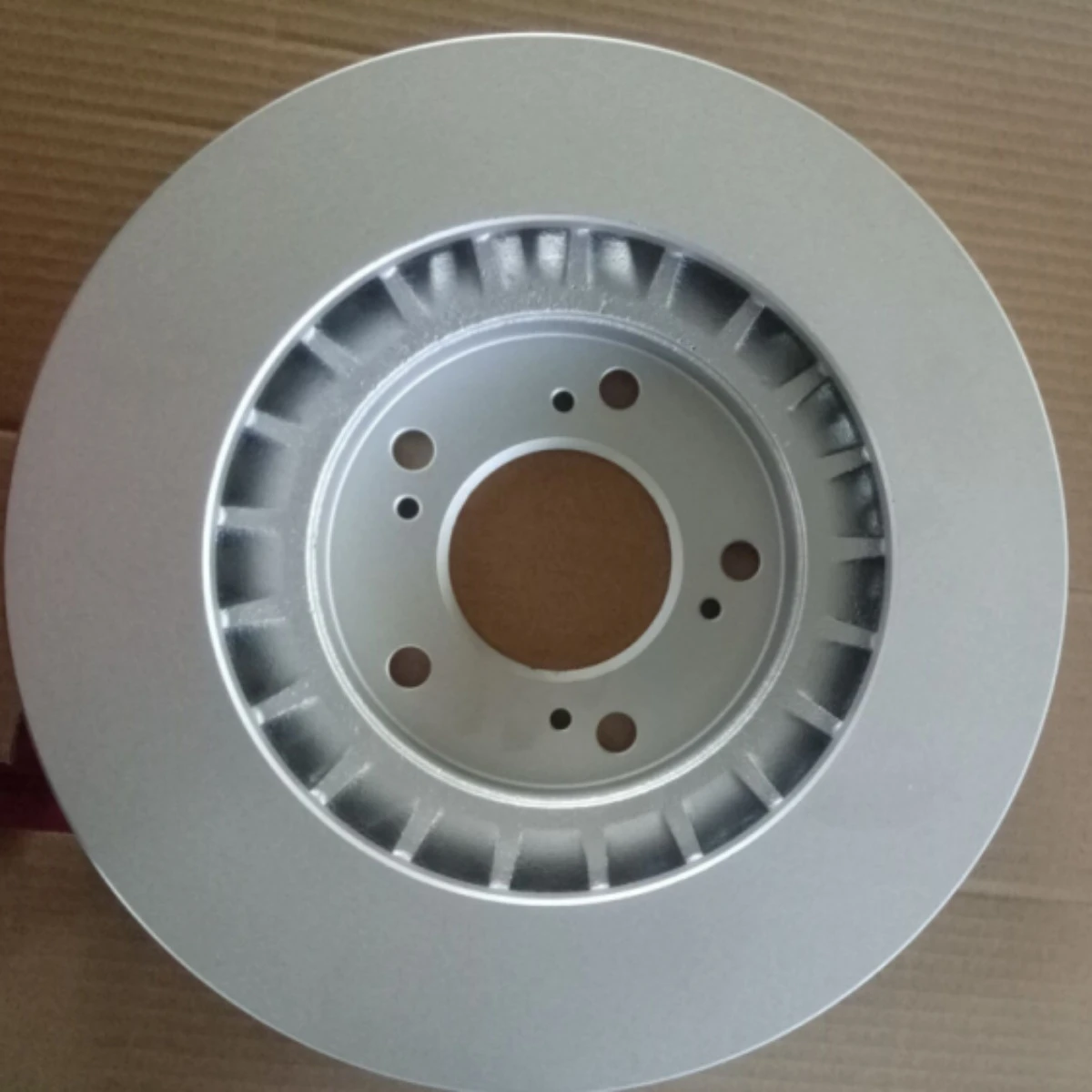
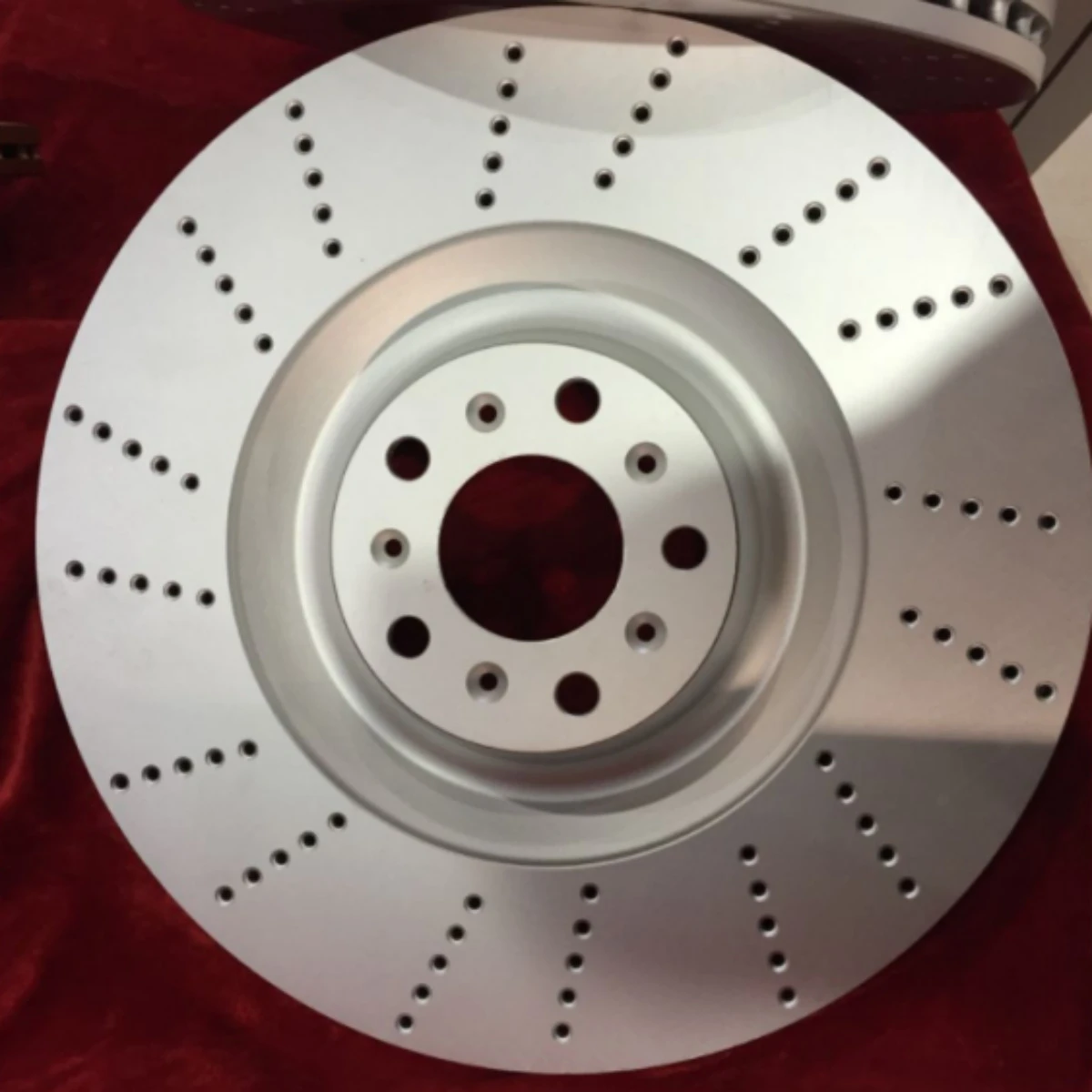
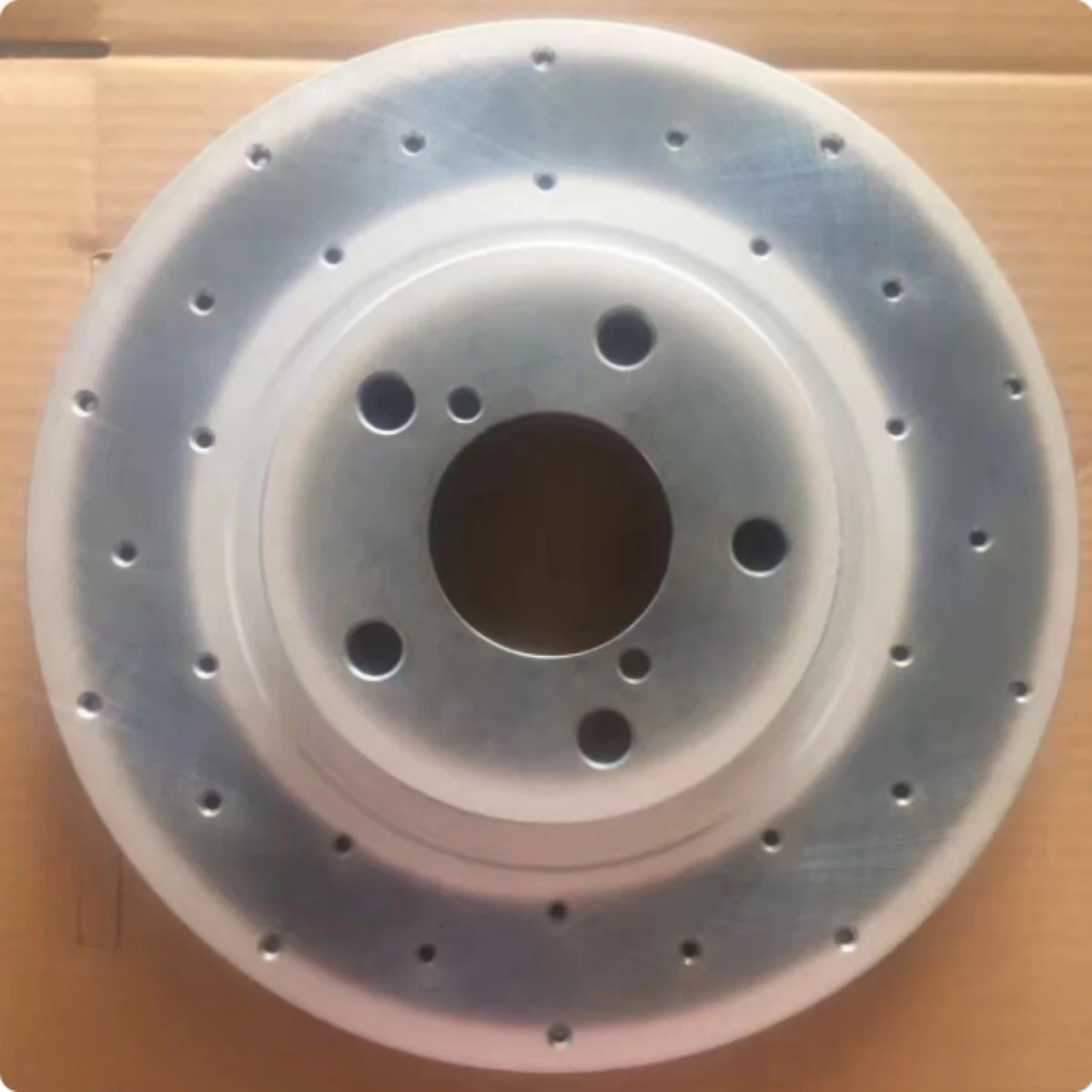
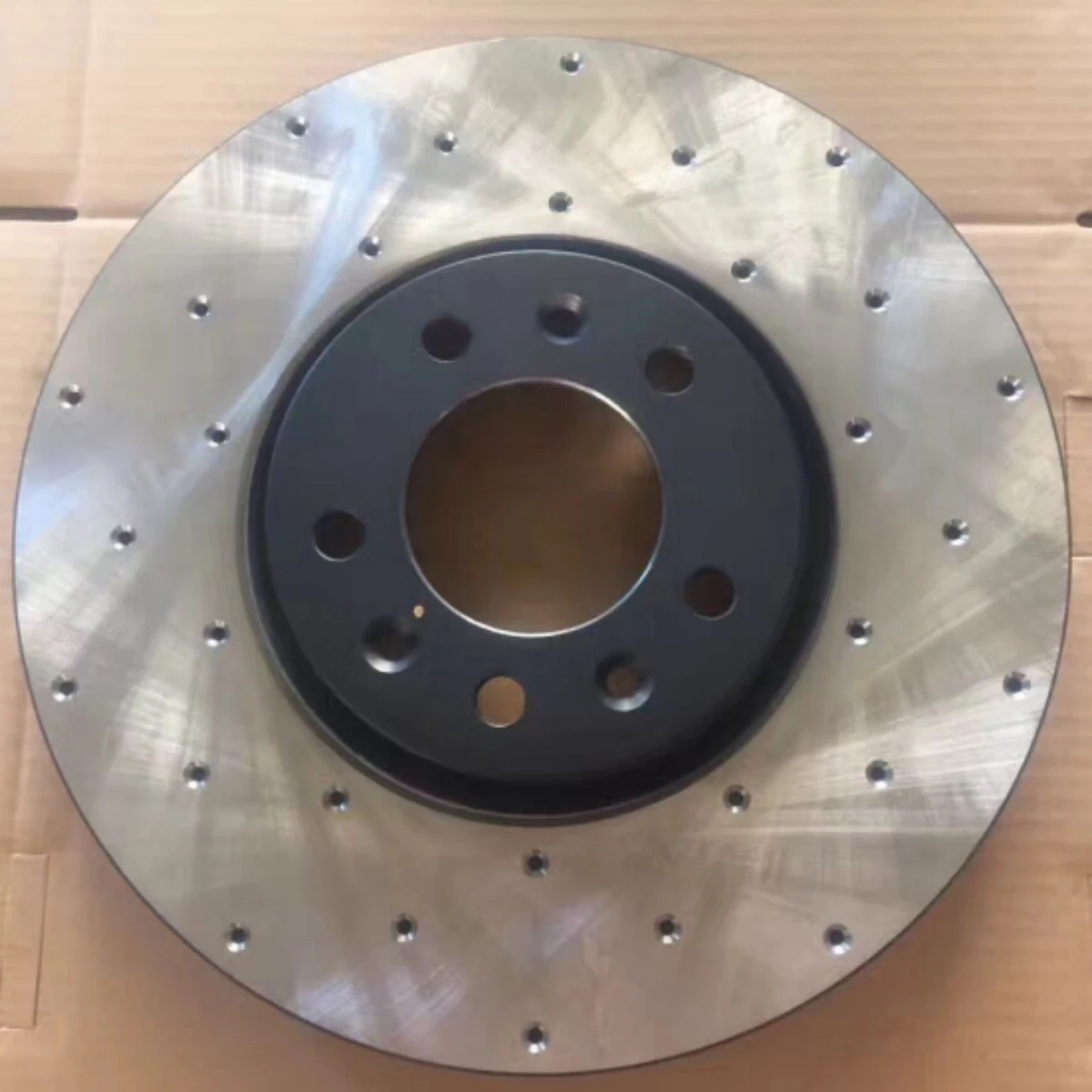
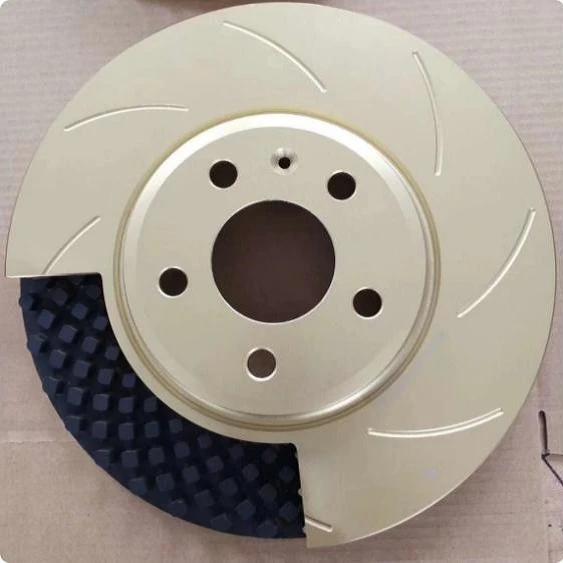
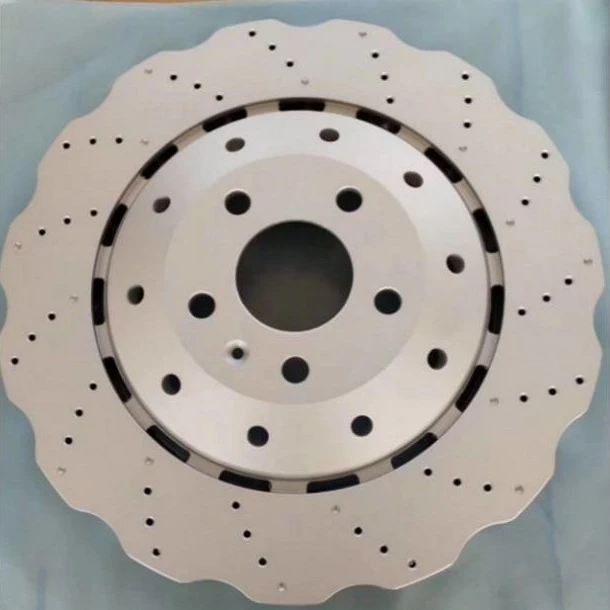
After all precision grinding and polishing processes are completed, a complete three-layer anti-corrosion coating spraying treatment shall be applied to non-friction areas of the No.4581001 Qashqai rear brake disc, including flange edges, inner sides of ventilation slots and mounting bases. The friction working surface shall be fully masked to avoid paint contamination, so the brake friction coefficient will not be affected.
Zinc phosphating pretreatment: Phosphating and passivation are first carried out on non-friction areas of the disc to remove metal burrs, oil stains and oxide layers, improve coating adhesion and prevent paint peeling and flaking.
Full coverage of epoxy zinc-rich electrophoretic primer: The highly anti-corrosive electrophoretic primer penetrates all edges and gaps to isolate the erosion of water vapor, salt and alkali, forming a primary rust-proof base layer.
Final spraying of UV-curable black topcoat: The topcoat is rapidly cured by ultraviolet rays after spraying, forming a compact surface layer that is waterproof and resistant to gravel impact. The full coating system can pass a 500-hour neutral salt spray test. It resists rust and rust spots during long-term service in rainy weather and humid coastal environments, and prevents rust peeling from jamming the wheel hub.
Machining Workshop
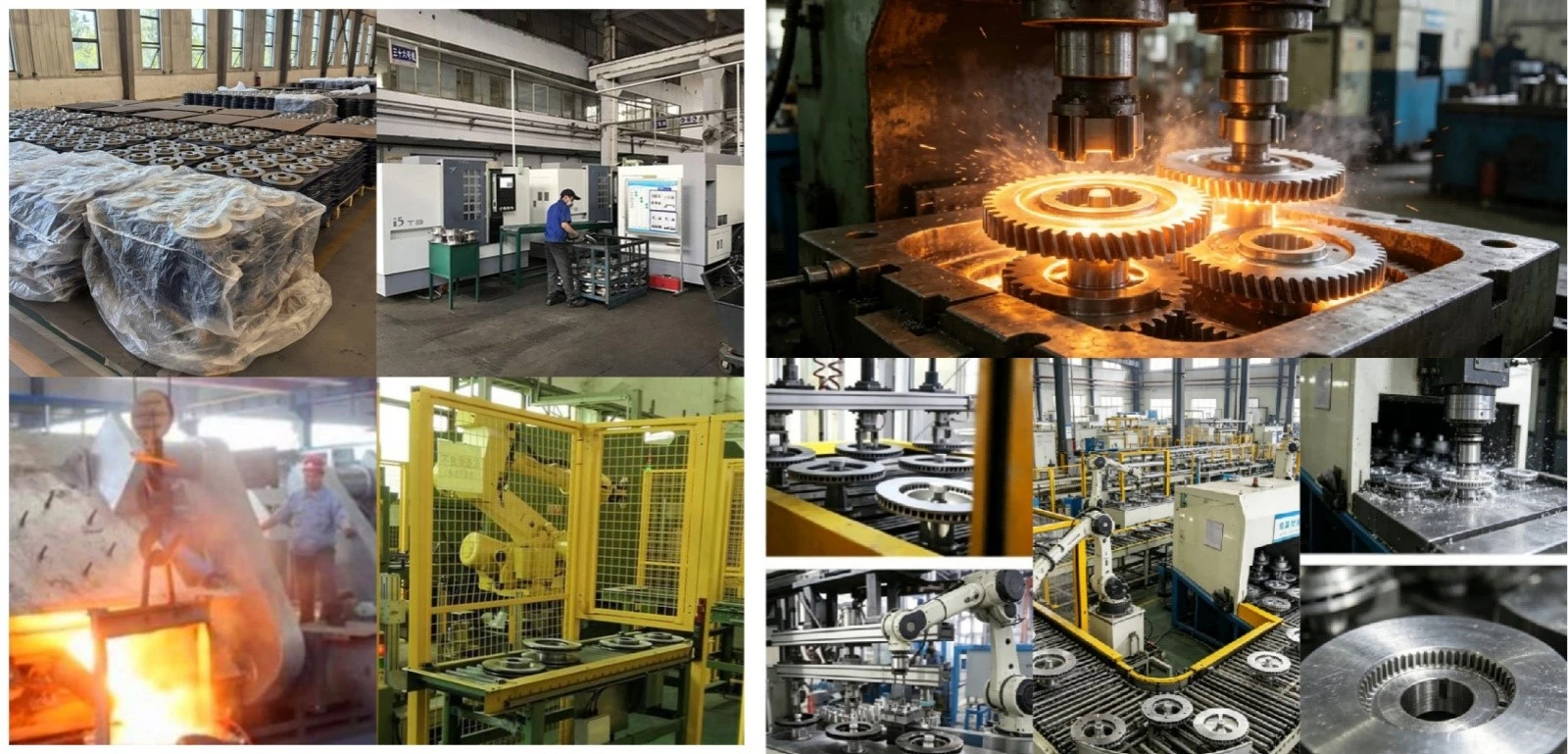
So, here's the deal – smart management is basically in charge of everything, from the raw materials all the way to the finished product. That's how we make sure every part that leaves the factory is 100% reliable.
For example, in the workshop, we use smart systems like MES to keep an eye on everything in real time. You know, collect data, show it on a screen, that kind of thing. The supervisors can check the machine status, see how much we're producing, and how efficient everything is – all from a distance. That way, they can spot any issues right away and make smart calls.
And for quality, well, we don't mess around. Every single production line has automatic inspection machines. I mean, every single brake disc has to go through strict balancing checks and a bunch of other tests. It doesn't move to the next step or leave the factory unless it passes every single one of those tests. So basically, for our exported products, we're setting the bar at "zero complaints."
Delivery,shipping and serving

FAQ
Q: Can this brake rotor be used with the vehicle's original old brake pads?
A: It is not worthwhile trying to save money this way. The old pads have worn matching ledges on the original rotors from long-term use, resulting in uneven contact surfaces. Besides a spongy brake pedal feel, uneven pad wear and steering wheel vibration will occur after just a short period of driving. It is better to replace rotors and pads as a complete set. We recommend ceramic-formula brake pads featuring a stable friction coefficient of around 0.38, minimal brake dust output and low abrasion to brake rotors. Additionally, insert a brake fluid tester into the fluid reservoir. Replace the DOT4 brake fluid entirely if its water content exceeds 3%. The braking system is a critical interconnected component where a small fault can trigger major safety hazards, so never cut corners on maintenance.
Q: I drive an SX6 and occasionally carry cargo. How do I inspect the rear brake rotors and determine when replacement is needed?
A: For vehicles frequently under heavy load, do not strictly follow the routine maintenance mileage schedule. Use a vernier caliper to measure the thinnest section of the rotor surface every 15,000 kilometers. The standard rotor thickness is 10 mm, with 8.5 mm as the mandatory replacement limit. A simple field check method is to run your fingertips along the rotor edge; replace the rotor if edge ledge wear exceeds 1.5 mm or the steering wheel vibrates noticeably with light braking at high speed (indicating rotor runout surpasses 0.05 mm). Heavy loads lead to elevated rotor operating temperatures, so we suggest proactive replacement once thickness drops to roughly 9.2 mm to reserve sufficient break-in clearance for new pads and guarantee reliable stopping performance in emergency scenarios.
Q: How is the quality of your brake discs? Are they prone to rusting or rapid wear?
A: Please rest assured. We adopt automotive-grade gray cast iron (such as the HT250 standard), processed with precision grinding and anti-rust coating technology.
It not only delivers stable and wear-resistant braking performance, but its zinc-aluminum surface coating can also effectively resist environmental corrosion such as salt spray and humidity, extending the service life.
Last News
Upgrading of Traditional Materials and Emerging Technologies:
Laser Cladding Technology: To comply with the Euro 7 regulations, the technology of applying an ultra-thin hard coating (such as metal alloys) on the surface of traditional cast iron brake discs via laser cladding has attracted widespread attention. This technology can significantly enhance wear resistance and corrosion resistance, reduce brake dust emissions by over 80%, and is expected to extend the service life of brake discs throughout their entire lifecycle. It serves as one of the cost-effective solutions that balance performance and cost.
Intelligentization and System Integration: Brake discs are no longer isolated components. Integrated with the vehicle's electronic system, the intelligent braking system can cut maintenance costs by more than 20%; regenerative braking energy recovery technology can improve energy utilization efficiency by 15%-20%. This requires the design and manufacturing of brake discs to take into account coordination with the entire braking system.
Hot Tags: rear brake disc for nissan qashqa suv, China rear brake disc for nissan qashqa suv manufacturers, suppliers, factory