
Product Introduction
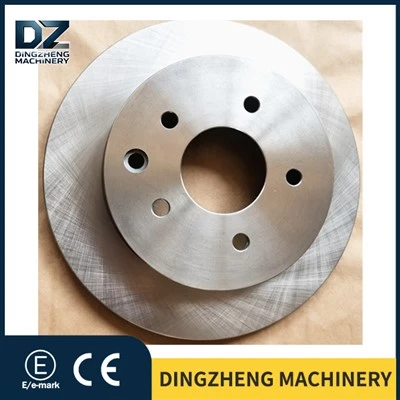
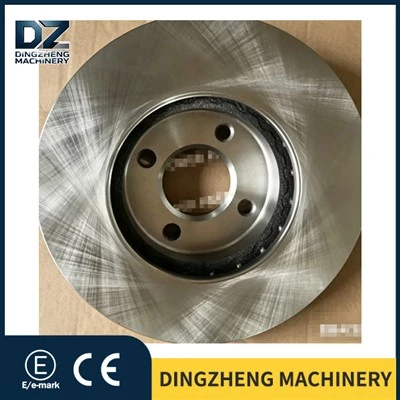
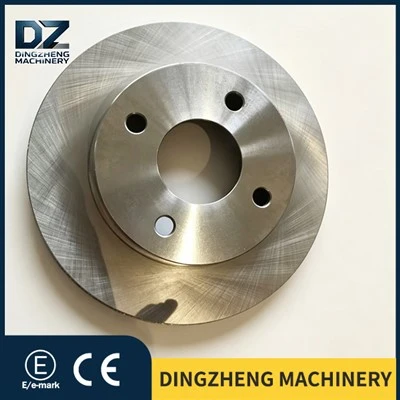
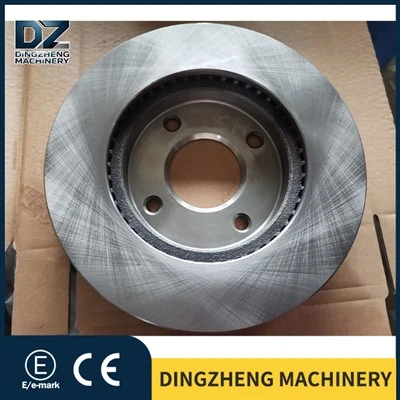
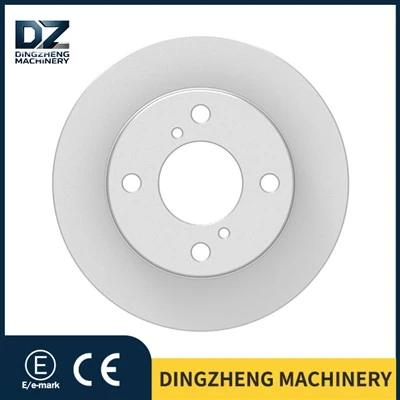
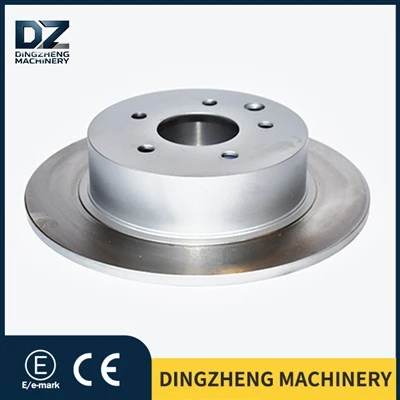
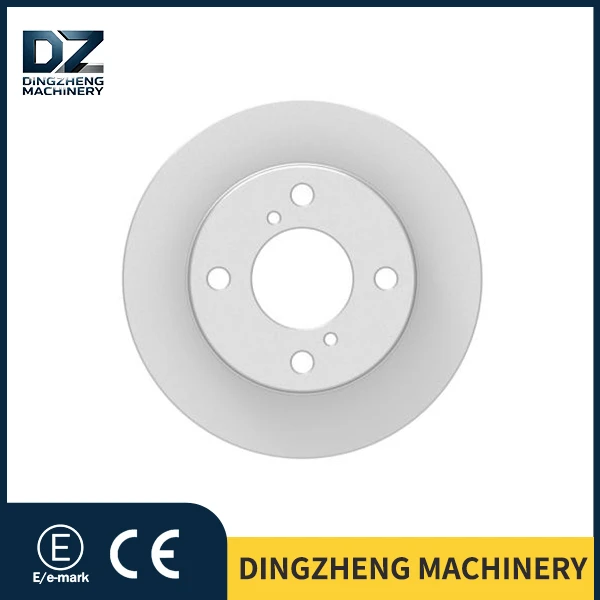
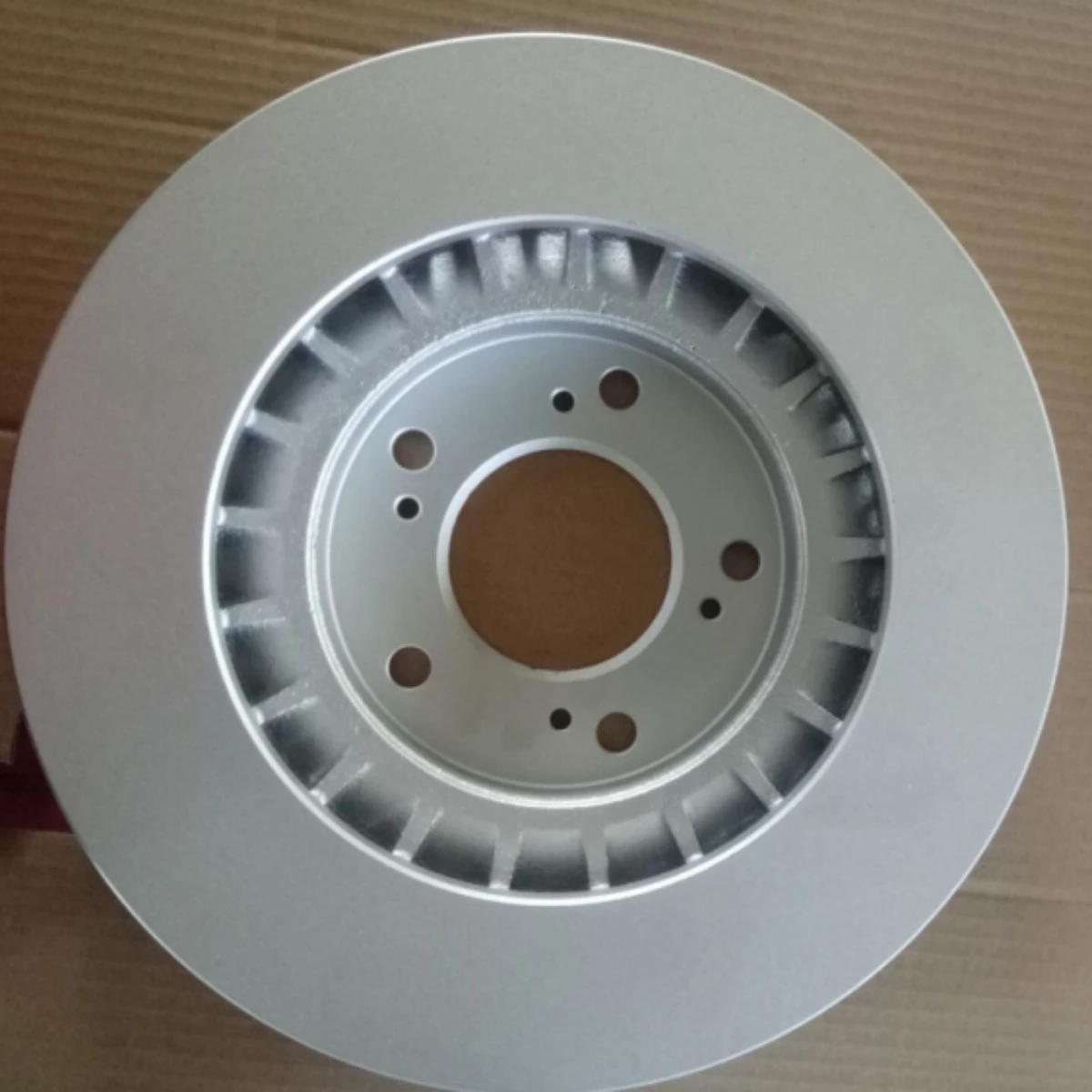
The NISSAN NV100 402064A01D Front Brake Disc is a key braking component in Nissan's original parts system, specially designed to match the front wheel braking system of specific vehicle models.
As the core part of the disc brake system, it is a circular metal disc that rotates together with the wheels. Its core function is to convert the vehicle's kinetic energy into heat energy through friction with brake pads during braking, so as to achieve efficient and stable deceleration and parking.
This product strictly complies with Nissan's original design standards and quality specifications, aiming to provide vehicles with reliable braking force, excellent heat fade resistance and long-lasting durability.
Product Parameter
|
Location |
Front Brake |
Diameter |
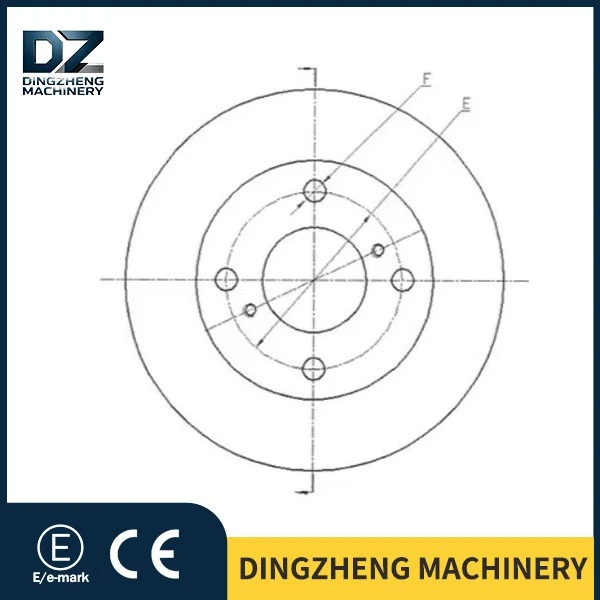
215mm |
|
Brake Disc Thickness |
12mm |
Minimum Thickness |
10mm |
|
Centering Diameter |
60mm |
Height |
44.2mm |
|
Number Of Holes |
4 |
Pitch Circle Diameter |
100mm |
|
Solid Or Vented |
S |
Weight |
2.88kg |
Car Model
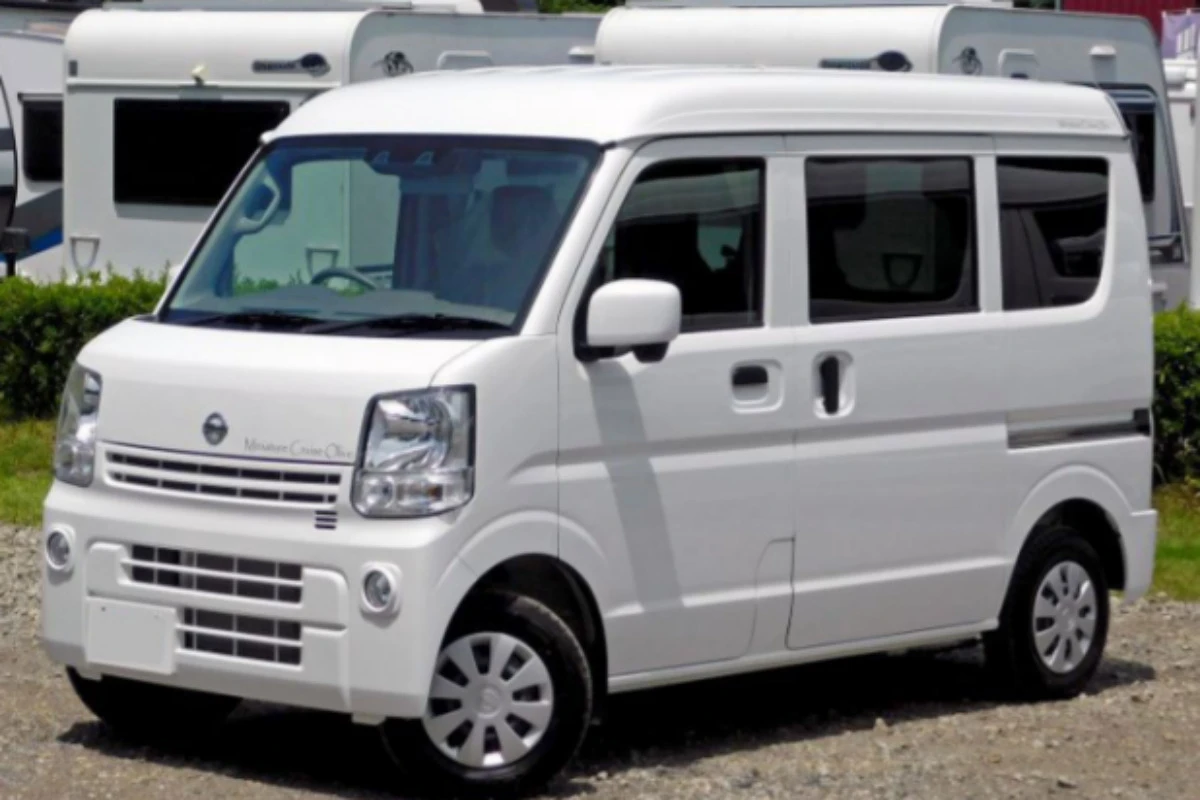
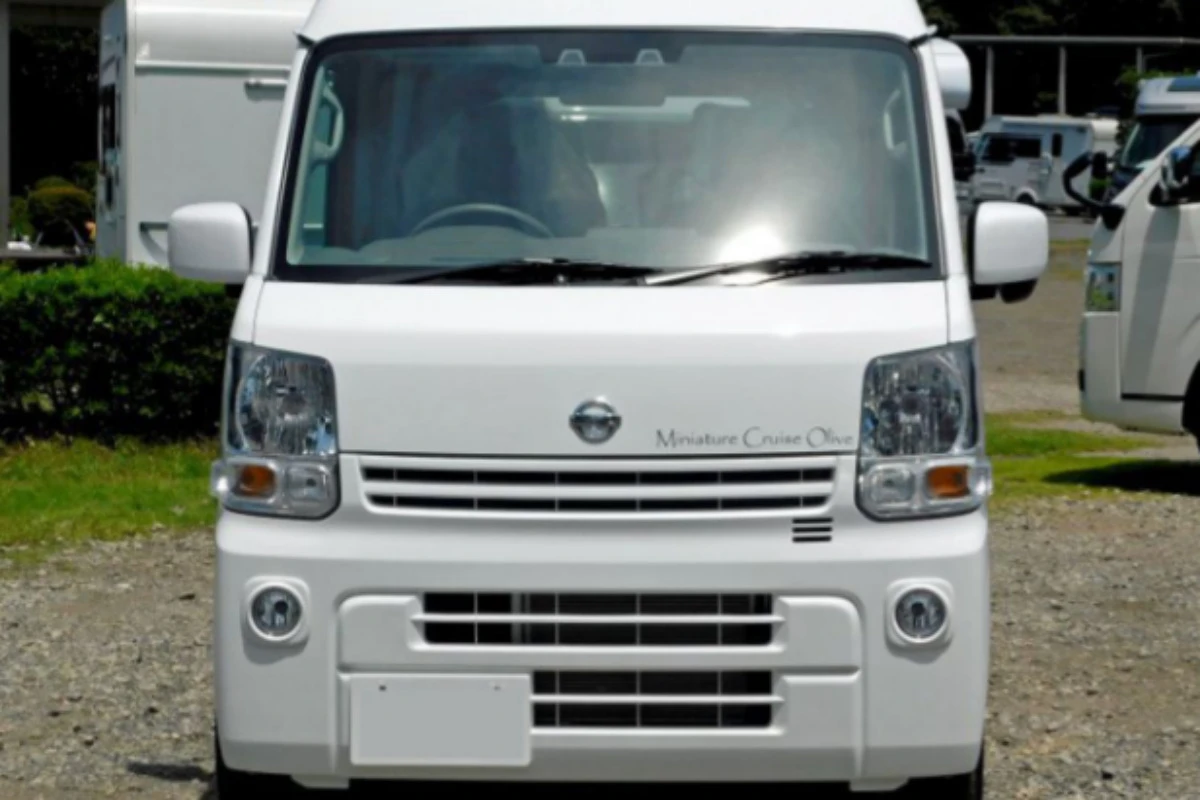
NISSAN NV100 CLIPPER MPV (DR17V, DR64V) 0.7 2012/06-
NISSAN NV100 CLIPPER MPV (DR17V, DR64V) 0.7 4WD 2012/06-
Reference No.
There are different corresponding codes for the NISSAN NV100 402064A01D Front Brake Disc
|
OE |
402064A01D |
TRW |
DF8222S |
Surface Treatment
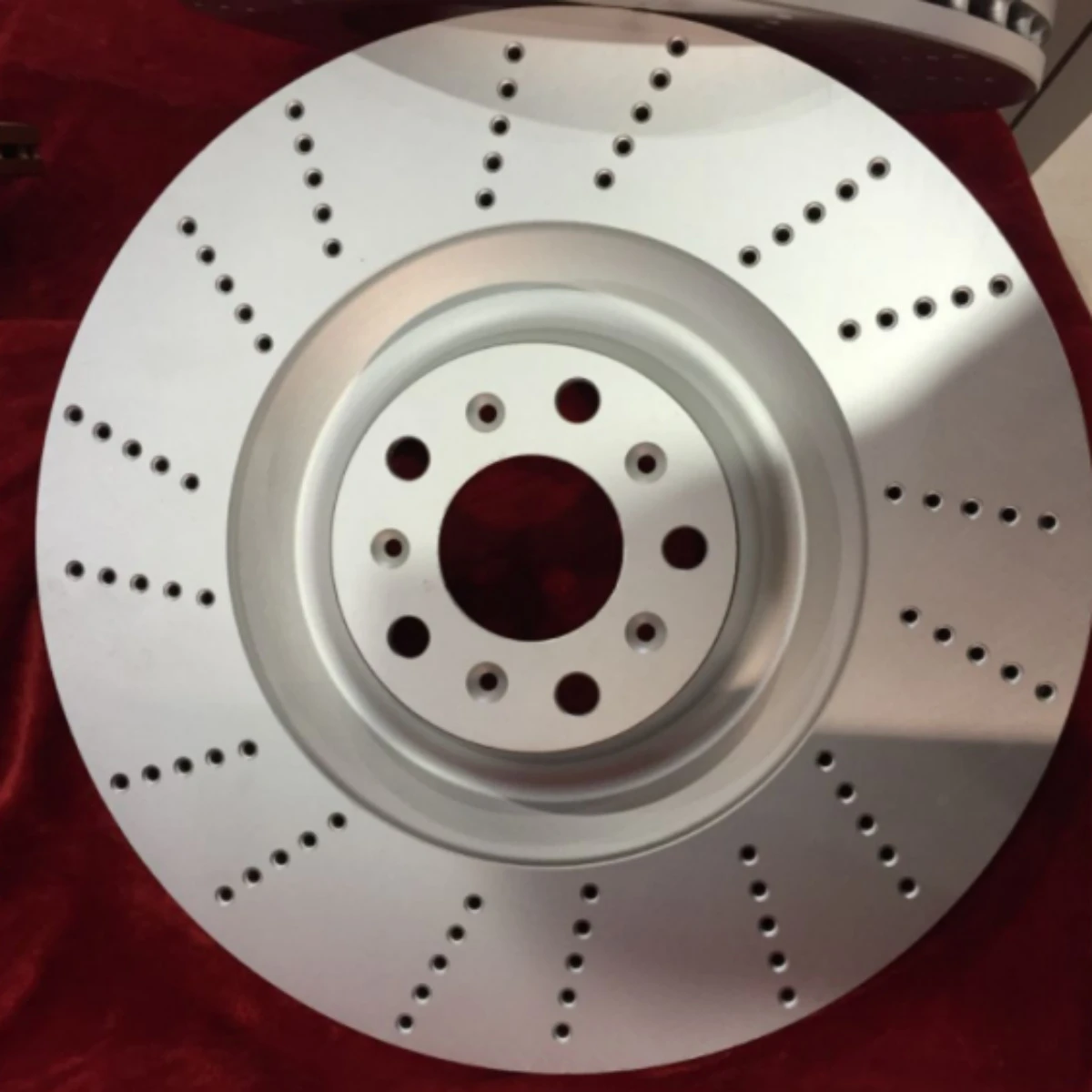
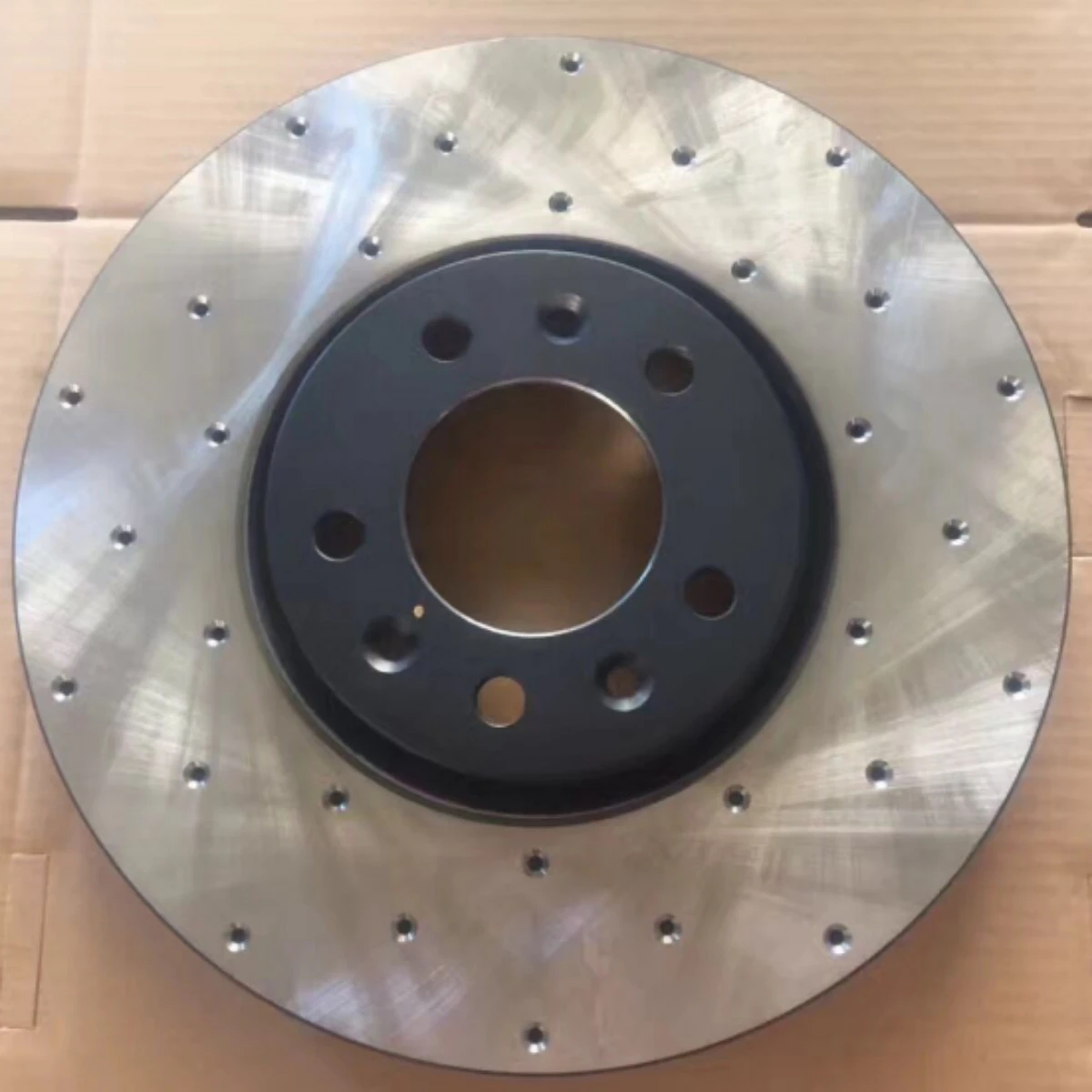
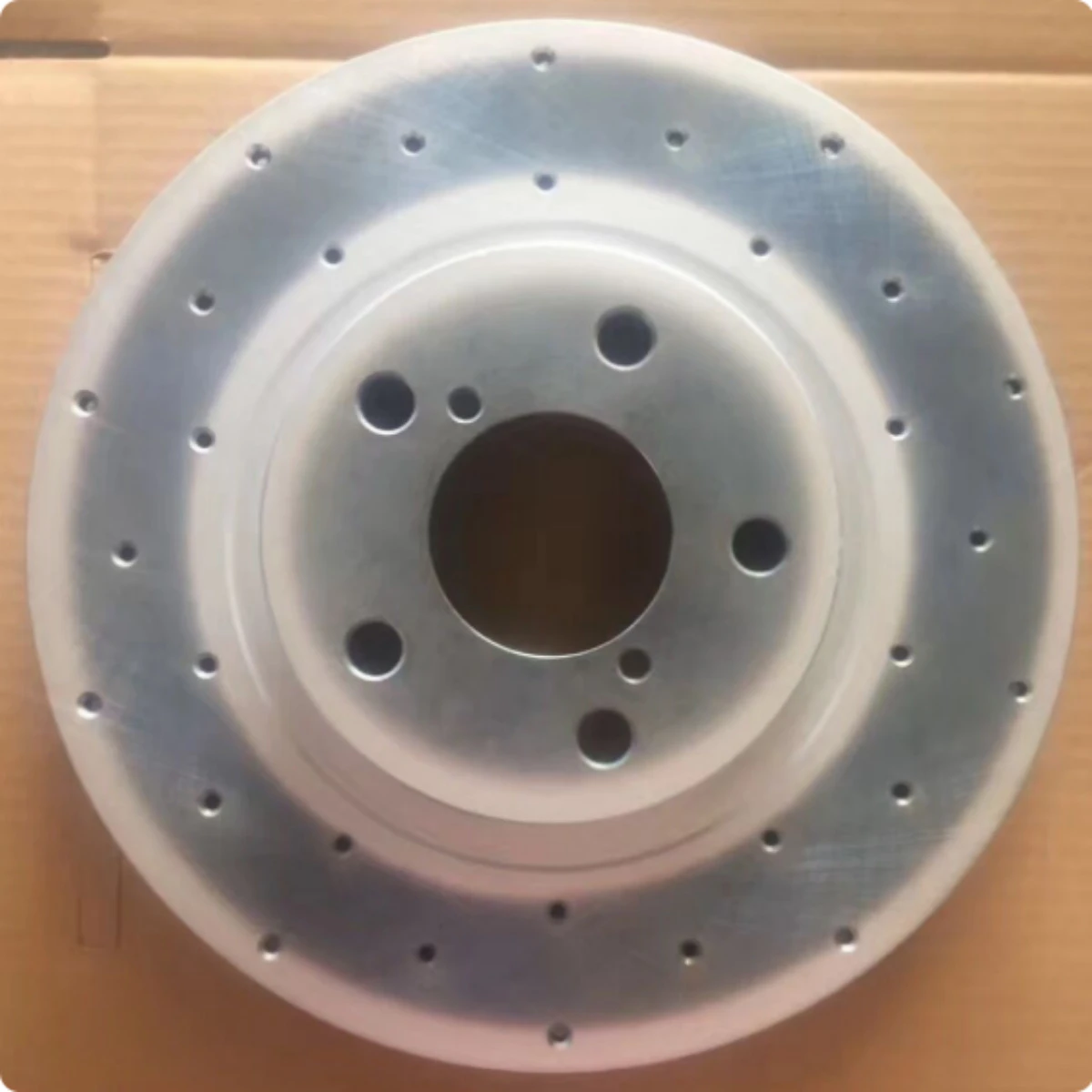
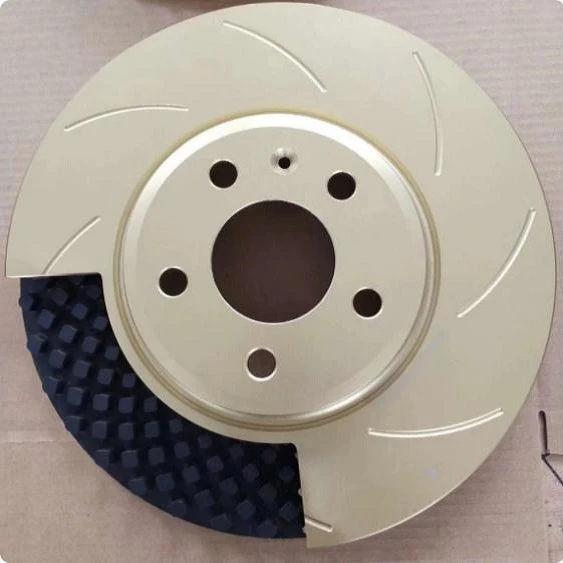
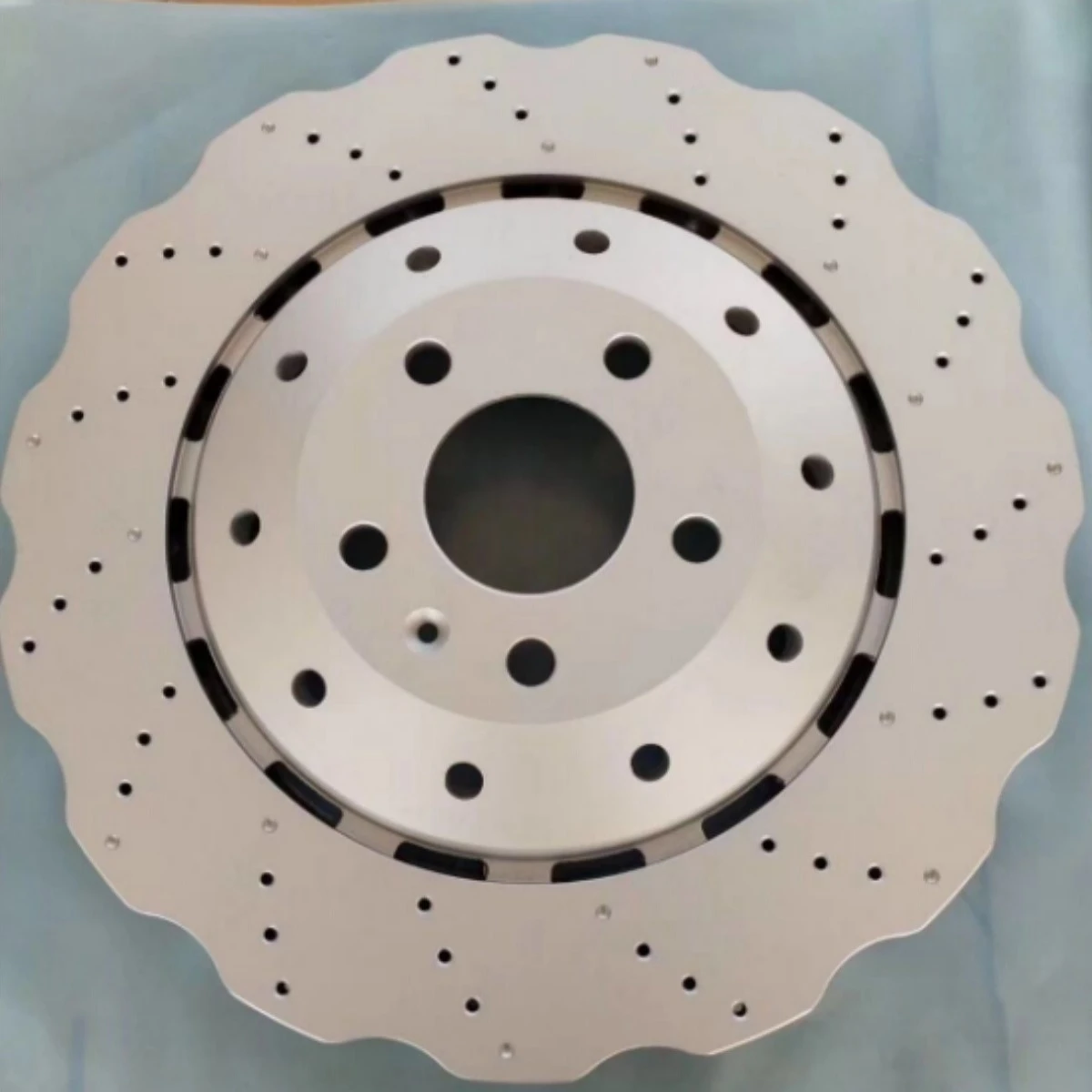
Armor Clad: Protective Coating Technology – An Integrated Solution for Corrosion Resistance, Noise Reduction and Aesthetics
For brand-new original or replacement brake discs, the surface protection process before leaving the factory lies at the core of the technology. This layer of "armor" mainly solves three major roblems: rust prevention, noise reduction and appearance enhancement.
Traditional Galvanization: A classic anti-corrosion method that forms a zinc-iron alloy protective layer by immersing brake discs in molten zinc liquid. It delivers effective rust protection in humid environments.
However, its drawbacks are prominent: the coating thickness is hard to control, and more importantly, it cannot withstand high temperatures. Under the high heat generated by frequent braking, the galvanized layer is prone to peeling off, which may in turn affect braking performance, limiting its application in high-performance scenarios.
Modern Spraying/Coating Technology: The current mainstream process. A special anti-corrosion coating (such as epoxy resin and polyurethane) is sprayed on the non-friction surfaces of brake discs (e.g., hub flanges, ventilation grooves) or even the entire disc body.
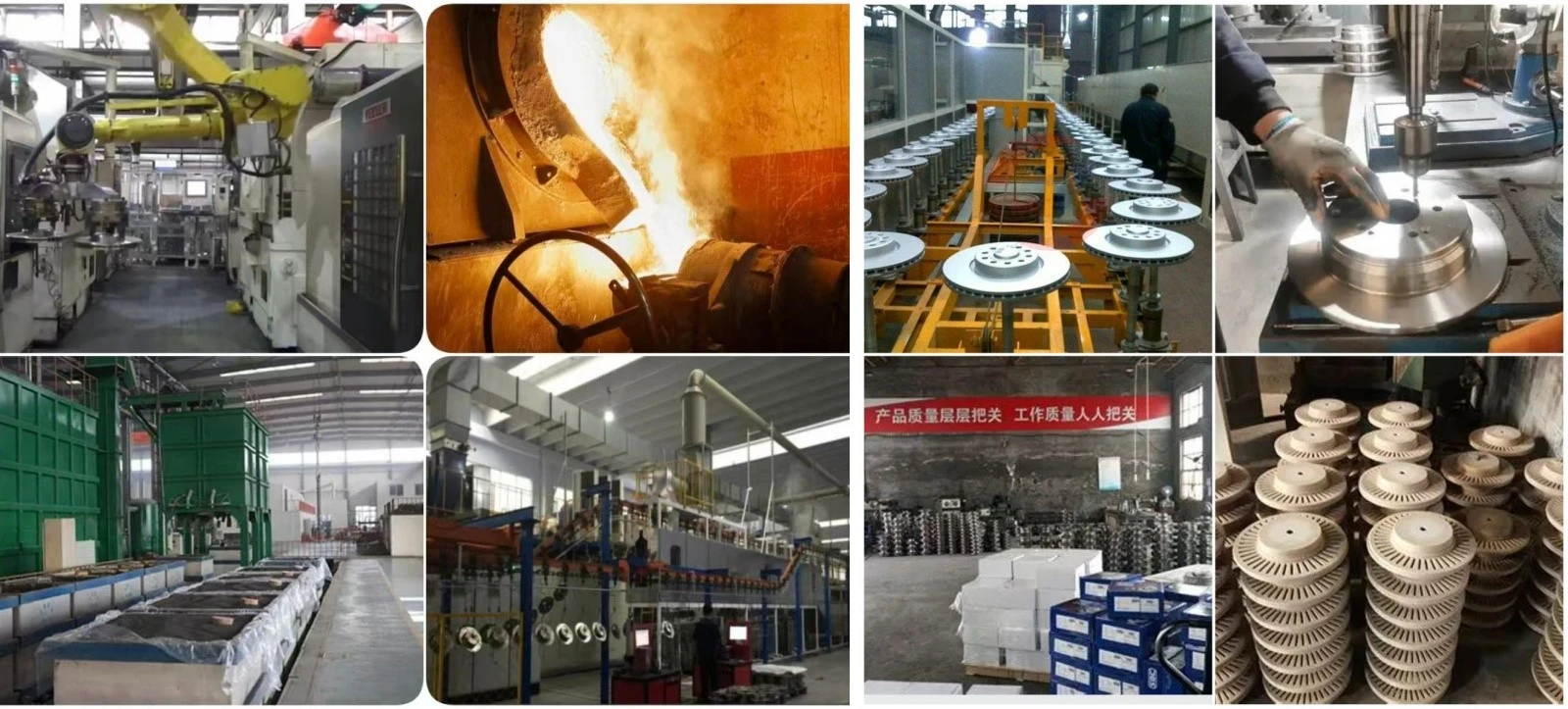
A modern brake disc painting production line follows an extremely rigorous workflow: from pre-inspection, surface grinding and ultrasonic degreasing cleaning, to automated spraying for uniform coating coverage, hot air circulation drying and curing, and finally full inspection of adhesion, thickness and other indicators before packaging and delivery.
This technology boasts excellent anti-corrosion performance, can significantly reduce abnormal noise caused by rust, and its diverse color options (silver, black, gold, etc.) greatly enhance the side appearance of vehicles.
High-End Hard Coating: In the realm of performance cars, surface technology has evolved into cutting-edge innovation. Taking Porsche PSCB (Porsche Surface Coated Brake) as an example, its craftsmanship is unparalleled: first, the gray cast iron disc body undergoes laser texturing to achieve an ultra-smooth surface; then ultra-hard tungsten carbide particles are fused and coated onto the braking surface via high-velocity flame spraying technology.
This diamond-like coating features extreme hardness, unmatched wear and corrosion resistance, drastically cuts down brake dust output, and requires almost no maintenance throughout its service life, representing the pinnacle of coating technology.
Machining Workshop
Technological Extension and Industrial Collaboration to Build a Complete Value Chain
A top-tier processing workshop is not merely a manufacturing unit, but also a key node for enterprises' technological extension and industrial collaboration.
Upward extension of the industrial chain: By building highly automated processing workshops independently, enterprises have successfully expanded from focusing solely on brake pad production to the brake disc sector, achieving industrial layout expansion and output value multiplication, and enhancing overall market competitiveness.
Support for high-end R&D and testing: The advanced manufacturing capabilities equipped in the workshop provide hardware support for enterprises' independent research and development (such as bench test machines for simulating braking effects) and the adoption of world-class standards (such as European ECE R90 tests), ensuring products meet the requirements for direct installation at vehicle manufacturers.
Delivery,shipping and serving

FAQ
Q1: Which Nissan vehicle models precisely fit the OE#402064A01D front brake rotors? What risks come with cross-model and cross-year fitment?
A: The 402064A01D is an exclusive vented front brake rotor engineered for Nissan Sylphy B17 (Classic Version, 2012-2019) and Tiida C12 (2011-2020). It also fits late-production Livina L11 built on the same vehicle platform. This rotor duplicates the original factory bolt circle, center bore diameter and vane angle of cooling vents, with its flange mounting surface matching chassis dimensions at a 1:1 ratio. It is incompatible with the updated Sylphy B18 and Tiida C13 launched after 2020, as well as other Nissan lineups including Teana, Lannia and Kicks. Forcible installation on mismatched models triggers critical safety hazards such as misaligned caliper pistons, excessive wheel hub mounting clearance and steering wheel vibration during high-speed braking; this rotor is strictly vehicle-specific only.
Q2: What are the OEM-standard installation specifications and matching consumables when replacing 402064A01D front brake rotors on Sylphy B17 and Tiida C12?
A: Per Nissan's official service manual, the specified tightening torque for front wheel hub bolts on both models is 103Nm. Bolts must be tightened incrementally in a diagonal sequence over three separate steps; abrupt over-tightening in one go is forbidden to prevent flange deformation. The matching OEM brake pad carries OE part number D10603TS0A. It is mandatory to replace both left and right rotors on the same axle as a paired set, alongside brand-new brake pads to guarantee precise contact between friction surfaces. Only DOT4-spec Japanese-spec brake fluid shall be used to match the hydraulic pressure parameters of the original braking system. Newly installed rotors require a 500km running-in period; avoid continuous heavy braking on fully loaded vehicles descending long steep slopes for the initial 280km. Slight fine squealing noises during break-in are normal wear-in characteristics of new brake pads.
Q3: Constructed as vented front rotors, will the 402064A01D suffer heat fade and deformation from frequent stop-and-go braking in congested urban traffic?
A: Abnormal heat fade will not occur. Under Nissan's brake distribution setup, front wheels bear roughly 70% of total braking force, and factory-fitted vented rotors are purposely designed to cope with frequent urban start-stop driving conditions. Manufactured from silicon-manganese modified GG25 high-carbon alloy and equipped with factory-spec spiral cooling vents, the 402064A01D delivers 42% higher heat dissipation efficiency compared with generic solid rotors from unbranded manufacturers. Its optimized metallurgical structure grants superior thermal deformation resistance over stock cast iron rotors. During repeated light tapping braking at rush-hour traffic or consecutive downhill drives on suburban short trips, rotor surface temperature stays within safe operating limits without brake fading or disc warping. Regular thermal fade only occurs under prolonged aggressive track driving or continuous full-load braking on downhill stretches exceeding 10 kilometers, which counts as normal physical property instead of product defect.
Q4: Does surface rust on 402064A01D rotors require immediate replacement under rainy Southeast Asian climates or snow-melting road conditions in North American winters? How to determine valid replacement timing?
A: Minor surface rust never requires replacement, a common misconception among overseas vehicle owners. Thin yellow surface rust formed after vehicle parking can be fully polished away with 3 to 4 consecutive moderate braking applications without compromising any braking performance. Many Southeast Asian vehicle owners unnecessarily replace rotors upon spotting yellow surface oxidation; such discoloration actually forms a high-temperature protective film that slows down deep corrosive penetration.
Per industrial replacement criteria, rotor replacement is compulsory only when any of the following thresholds are exceeded: corrosion pits deeper than 1mm, local wear grooves exceeding 0.5mm in depth, measured rotor thickness falling below the minimum wear limit of 22.0mm, or end face lateral runout surpassing the OEM limit of 0.05mm. Repair shop practical guideline: prepare replacement parts in advance once rotor thickness wears down to 22.8mm to reserve sufficient space for new brake pad bedding-in.
Last News
Technological Innovation and Material Competition
The core of industrial competition has shifted from scale expansion to technological rivalry centered on material innovation and process upgrading.
Carbon-ceramic brake discs have become a commanding height in technology: Carbon-ceramic brake discs made of carbon fiber reinforced silicon carbide (C/SiC) composite materials are the focal point of current technological competition. They boast outstanding advantages: their density is only 1/3 to 1/2 of that of traditional cast iron brake discs, which can effectively reduce the overall vehicle weight and improve the cruising range of electric vehicles; they can withstand high temperatures above 1400°C with excellent thermal fade resistance; they feature stable friction performance, can significantly shorten braking distance, and have a service life of over 300,000 kilometers.
However, their exorbitant cost (currently over 100,000 yuan per vehicle) is the biggest obstacle to popularization. The industry is striving to cut the cost to 4,000-5,000 yuan per vehicle through process innovation such as shortening the production cycle, so as to realize large-scale application.
Hot Tags: nissan nv100 front brake disc, China nissan nv100 front brake disc manufacturers, suppliers, factory