
Product Introduction
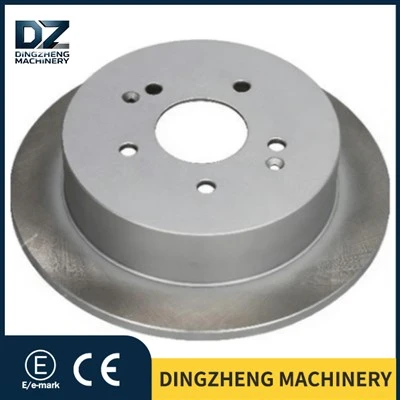
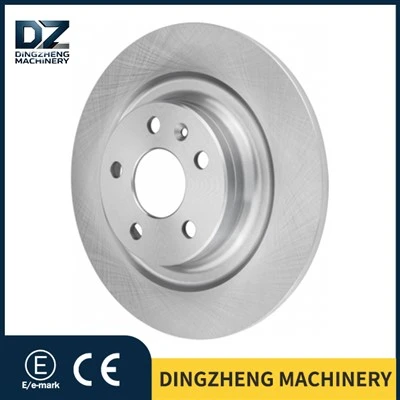
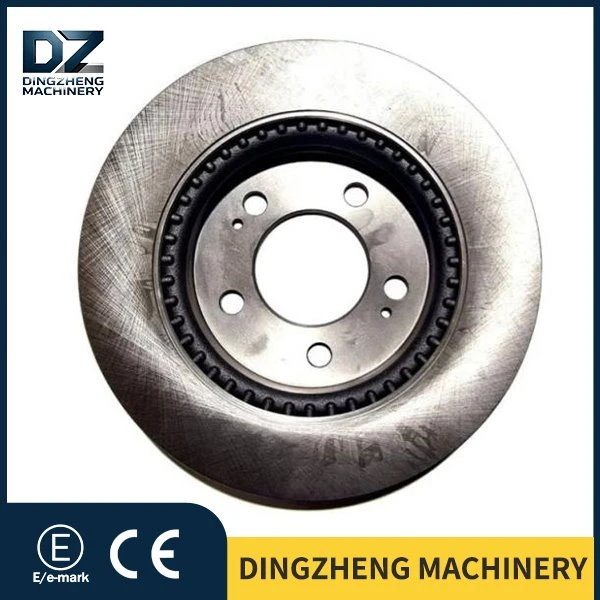
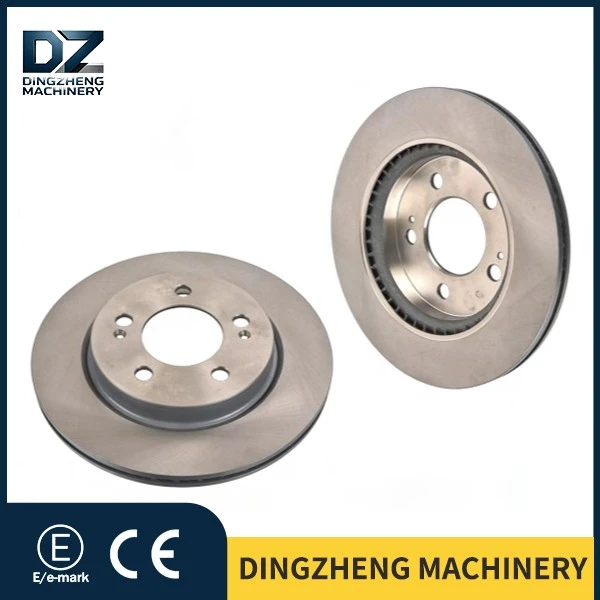
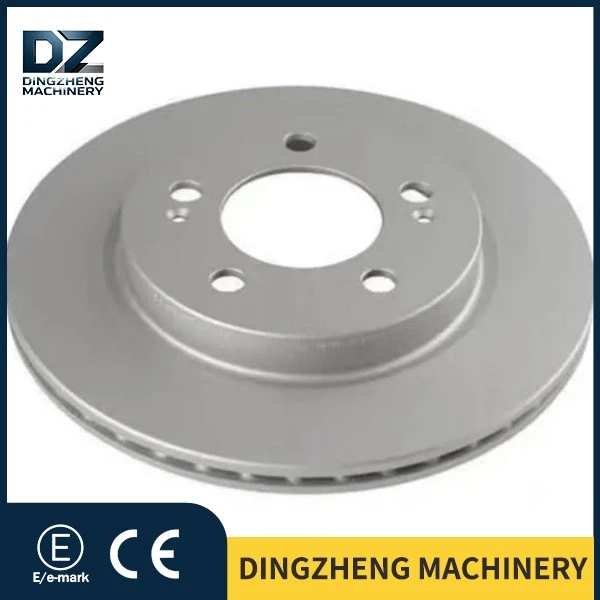
The rear brake disc of SSANGYONG REXTON 4840136100 operates in conjunction with the hydraulic system to drive the brake caliper, which clamps the brake pads tightly against the rotor to generate friction. This friction force effectively slows down the vehicle or brings it to a complete stop, providing reliable protection for driving safety. The product adopts an open structural design with a large heat dissipation surface area, which can effectively prevent brake fade caused by high temperatures and maintain stable braking performance under various working conditions.
Product Parameter
|
Location |
Rear Brake |
Diameter |
315mm |
|
Brake Disc Thickness |
20mm |
Minimum Thickness |
18mm |
|
Centering Diameter |
85mm |
Height |
44.5mm |
|
Number Of Holes |
5 |
Pitch Circle Diameter |
130mm |
|
Solid Or Vented |
V |
Weight |
6.8kg |
Car Model
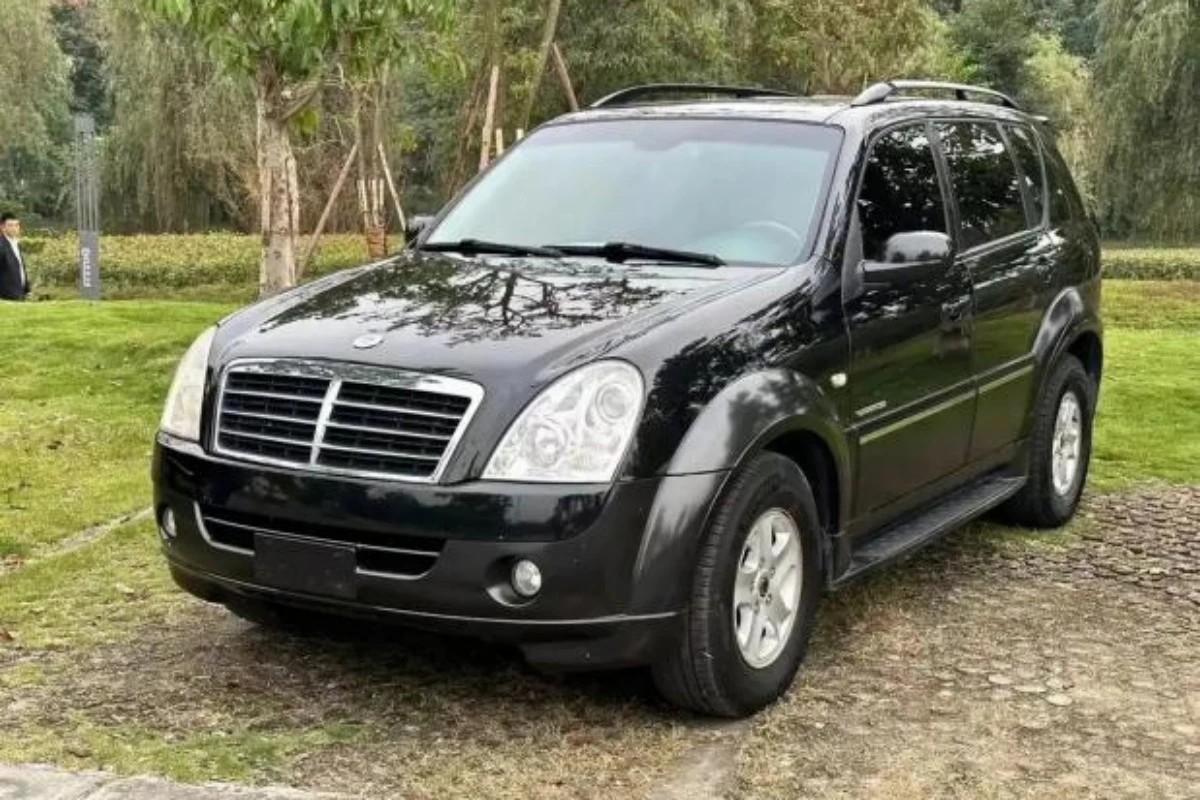
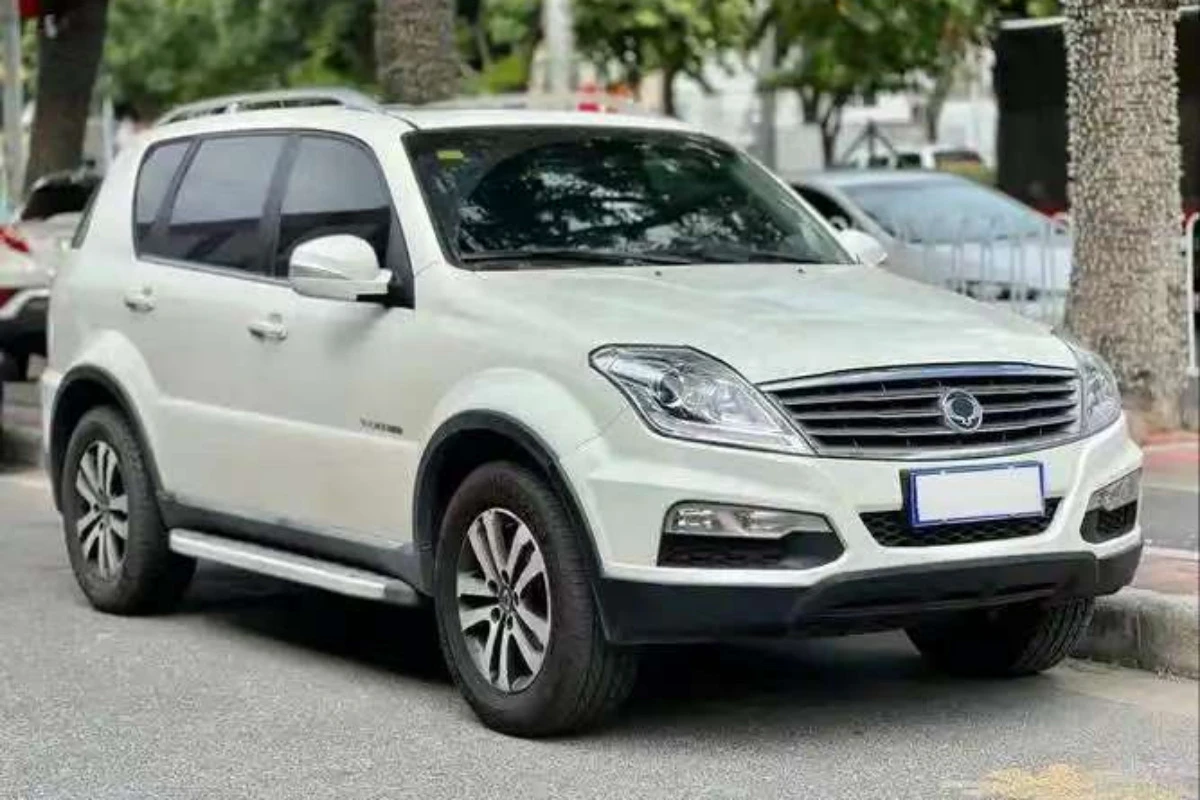


SSANGYONG REXTON (Y400, Y450) 2.0 (POX) 2017/07-
SSANGYONG REXTON (Y400, Y450) 2.0 All-wheel Drive (POX) 2017/07-
SSANGYONG REXTON (Y400, Y450) 2.2 Xdi (POE) 2017/07-
SSANGYONG REXTON (Y400, Y450) 2.2 Xdi All-wheel Drive (POE) 2017/07-
Reference No.
There are different corresponding codes for the rear brake disc of SSANGYONG REXTON 4840136100
|
A.B.S |
18774 |
HERTH+BUSSJAKOPARTS |
J3310406 |
|
BENDIX |
BDS2266 |
KAVO PARTS |
BR7718C |
|
BLUE PRINT |
ADG043249 |
MINTEX |
MDC3018C |
|
BORG & BECK |
BBD5584 |
NISSHINBO |
ND6123K |
|
DELPHI |
BG5050C |
OE |
4840136100 |
|
HELLA |
8DD355134271 |
PAGID |
56329 |
|
HELLA PAGID |
8DD355134271 |
TEXTAR |
92332903 |
Surface Treatment
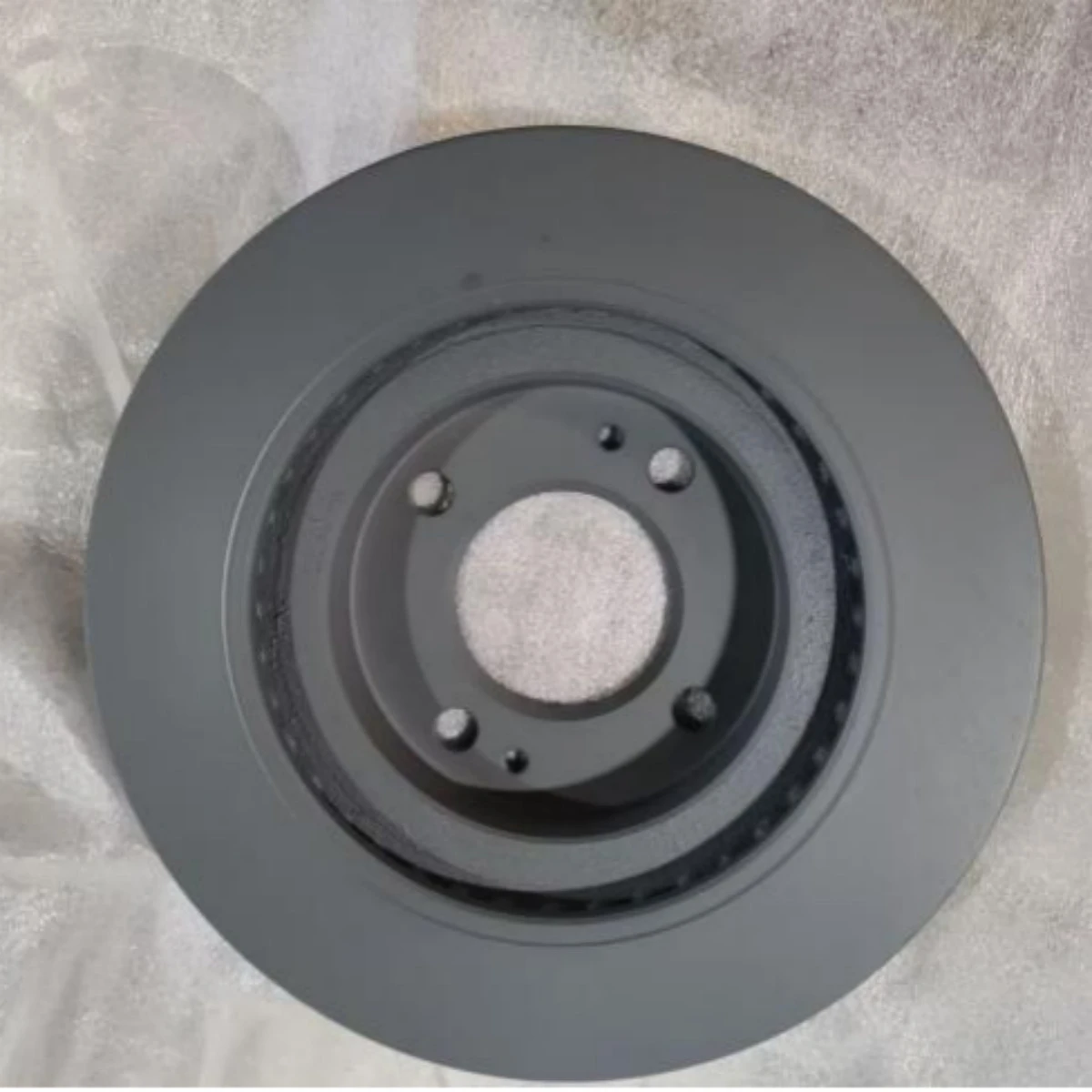
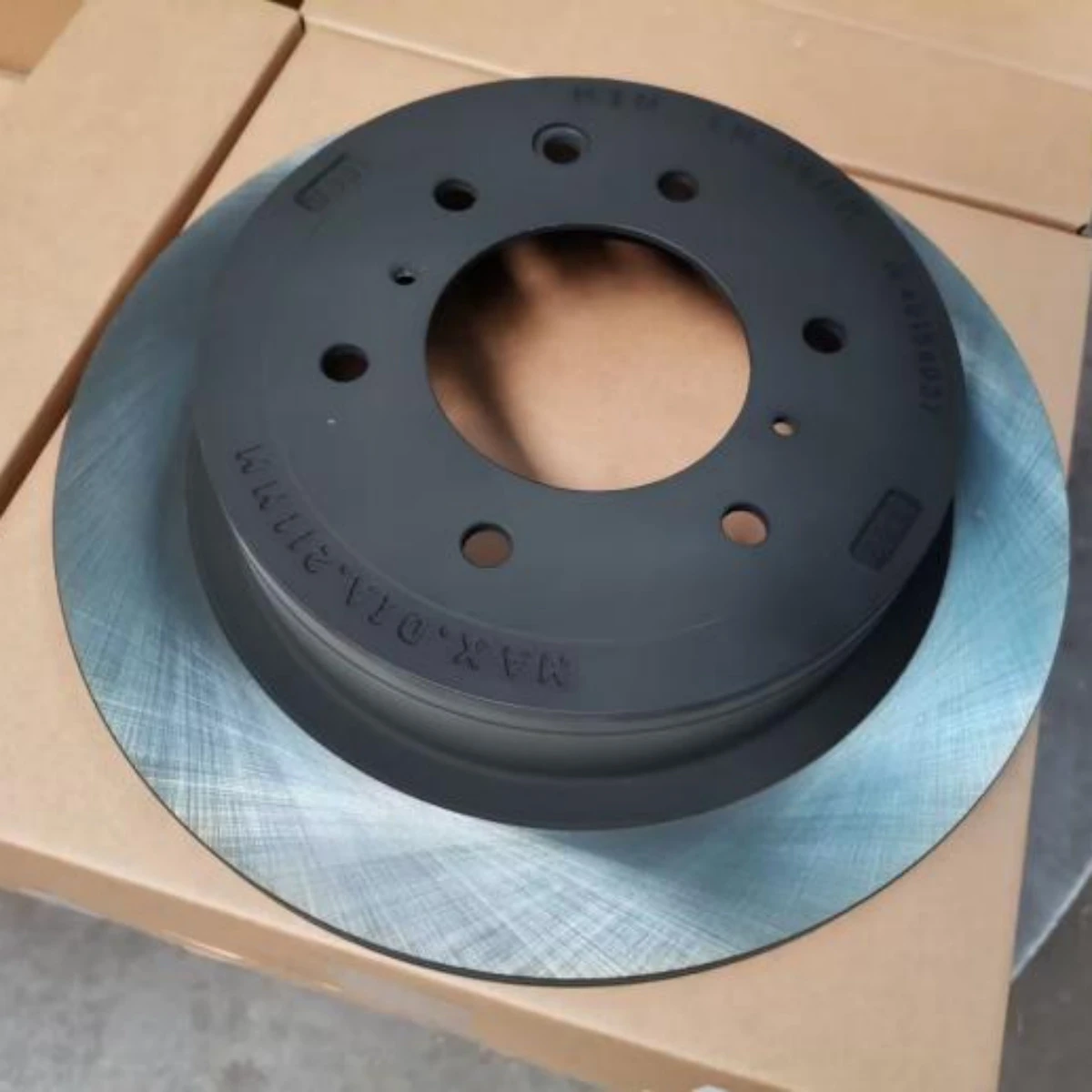
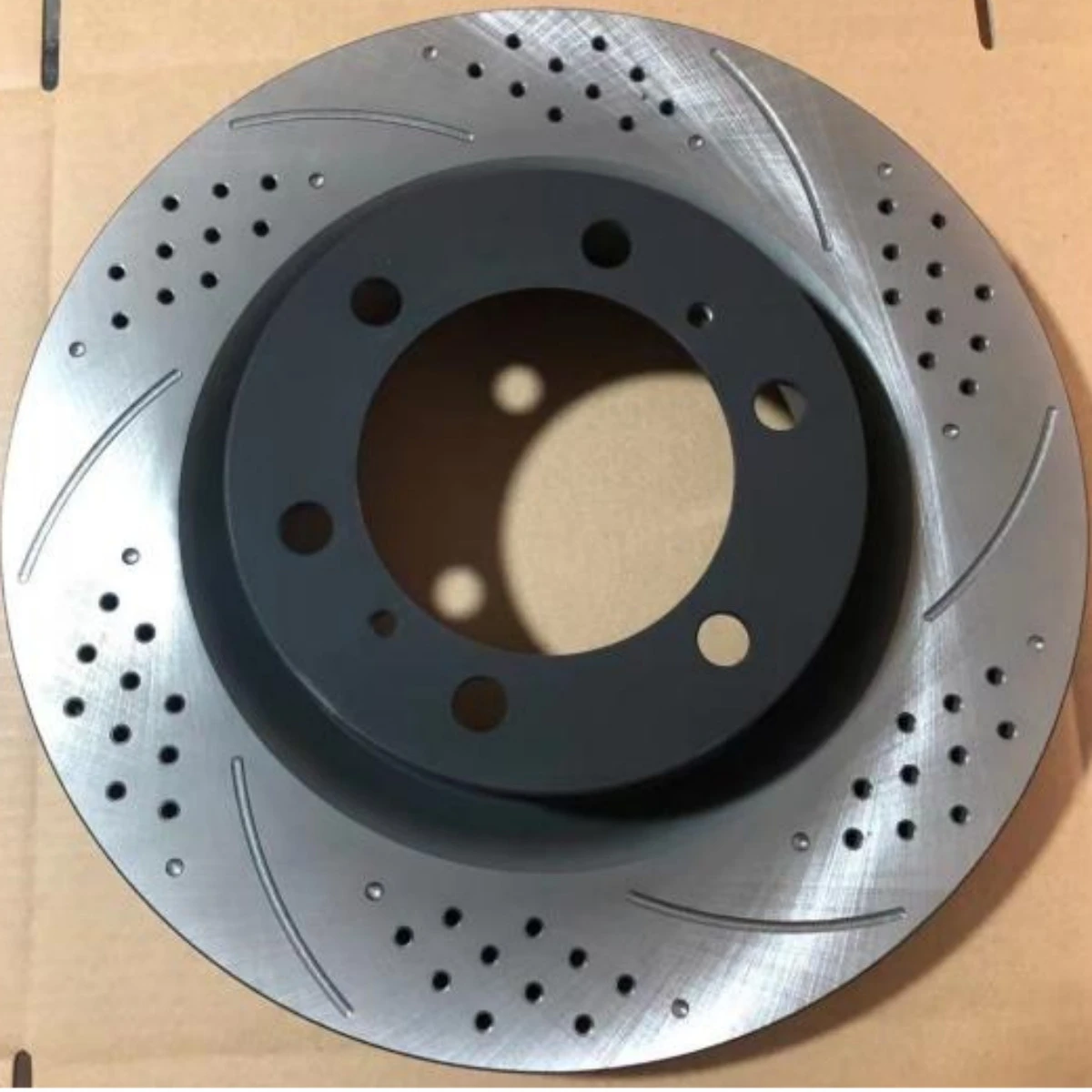
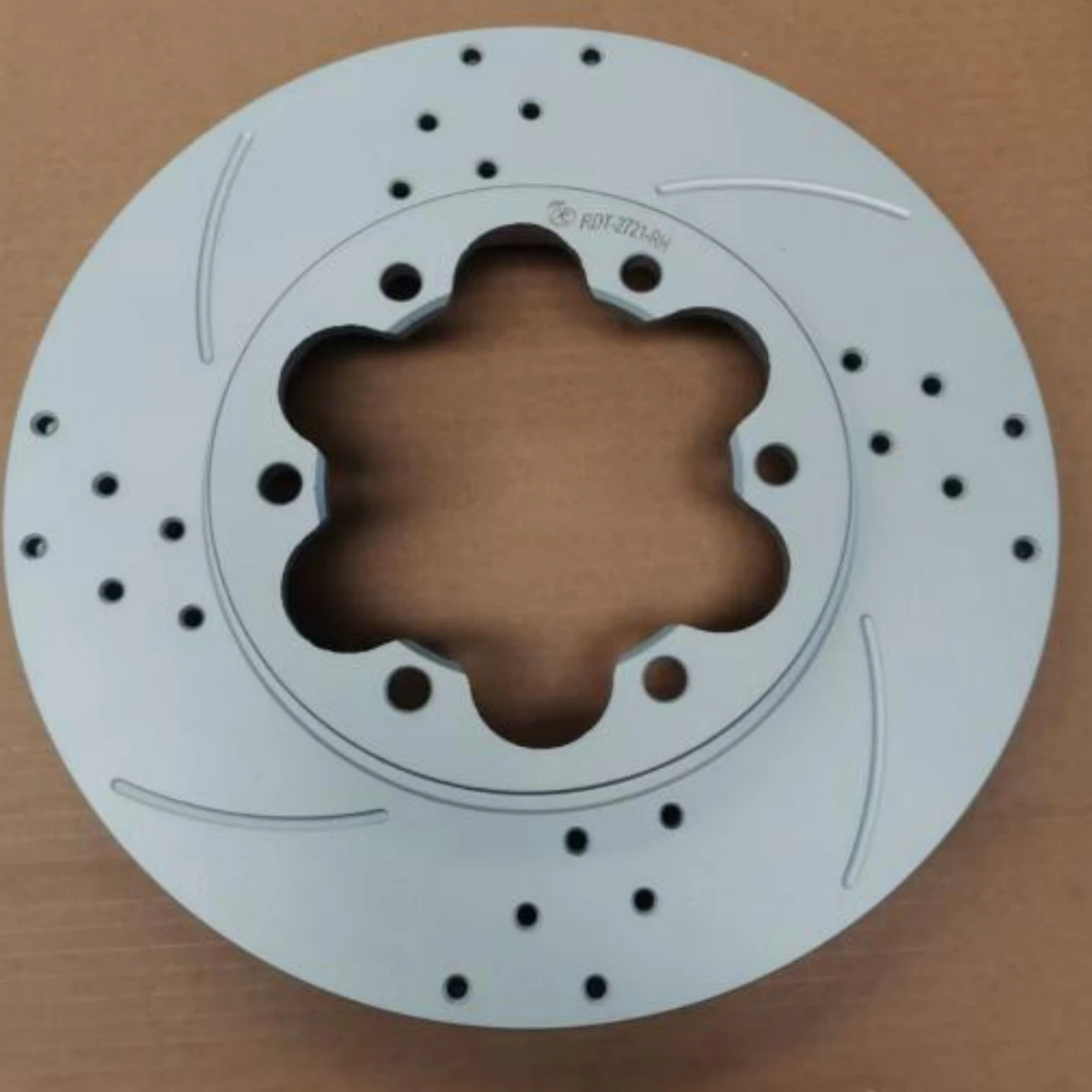
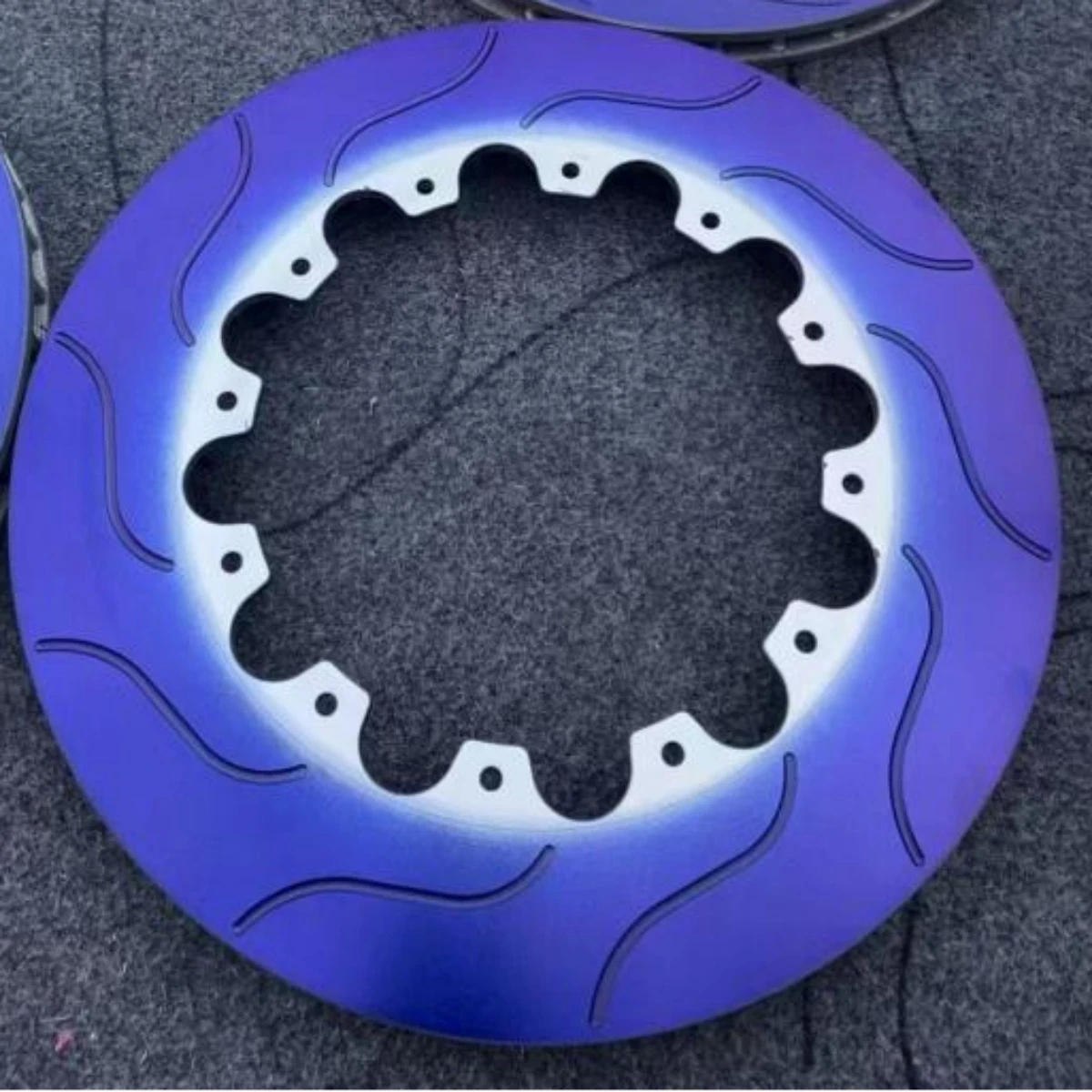
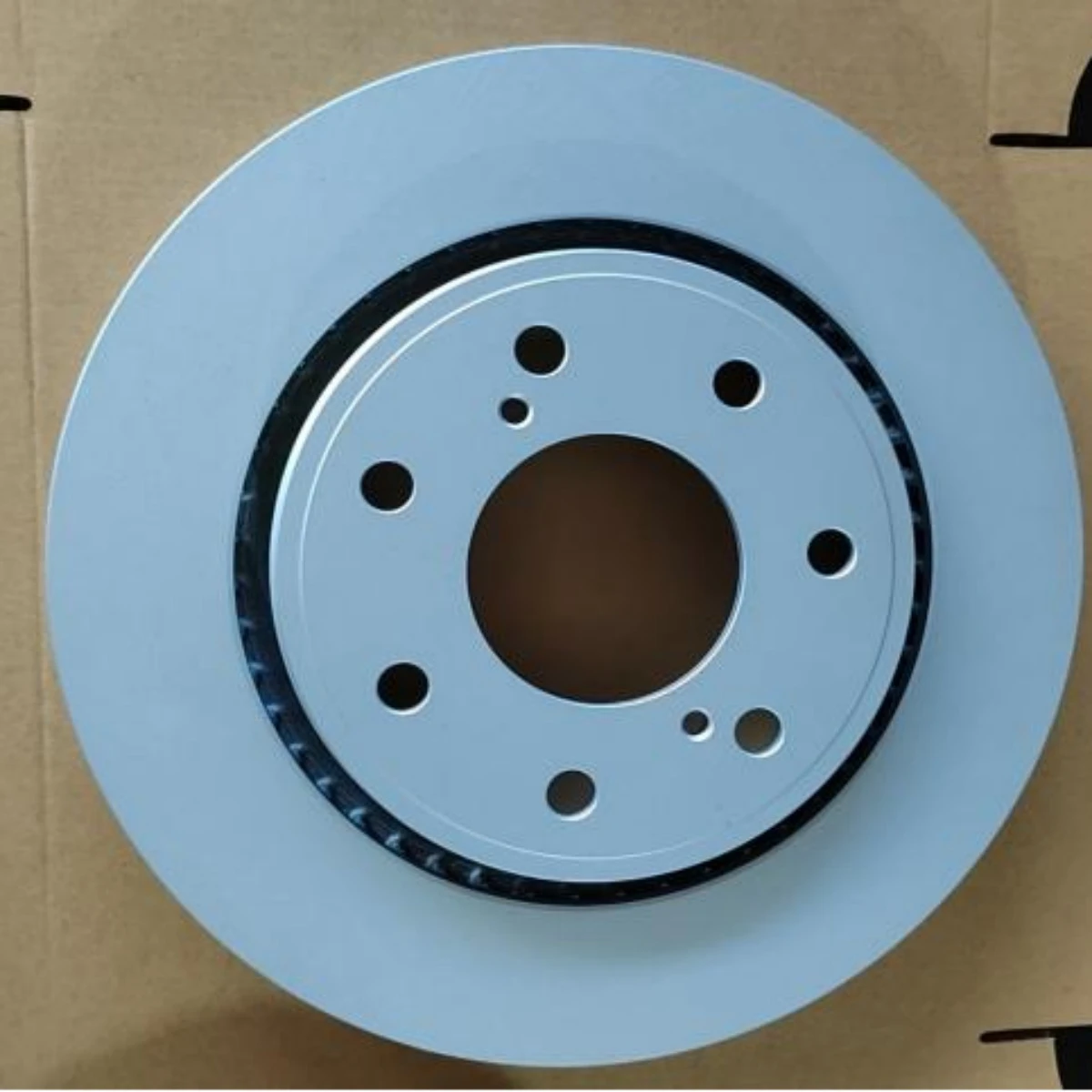
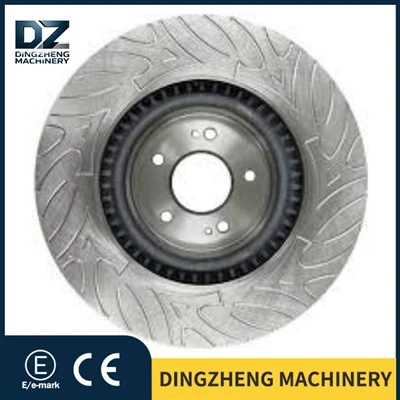
The rear brake disc of SSANGYONG REXTON 4840136100 undergoes multiple surface treatments, including slotted and drilled designs, which enhance the heat dissipation performance of the brake disc. It also provides spray - painting services in different colors to meet customers' requirements. Black and silver are the most popular colors. The spray - painted finish is rust - resistant. Moreover, laser blue phosphate treatment enhances the performance of the brake disc and prolongs its service life.
Machining Workshop
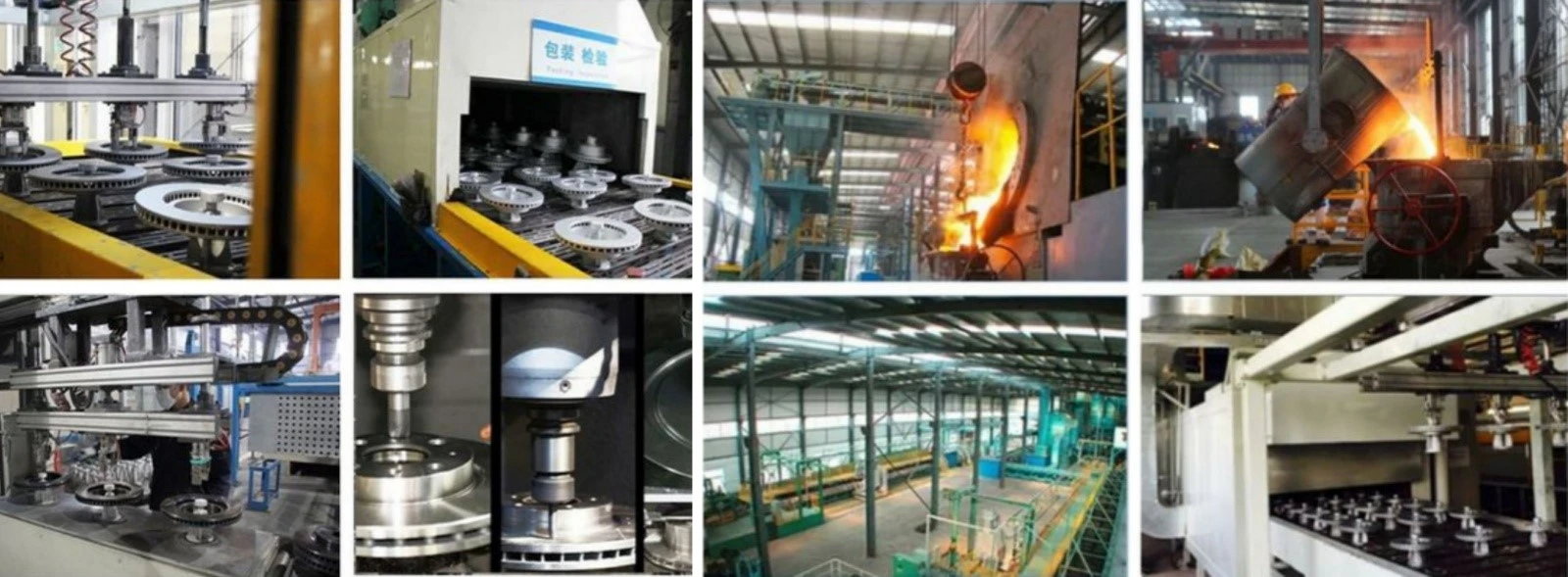
The company possesses two casting electric furnaces, over 20 CNC machines, and one set of production testing equipment. Moreover, the company is capable of independently developing molds and continuously innovating new models and products. There are more than 5,000 existing models, over 3,000 existing molds, and various auxiliary facilities for the surface treatment of brake discs. The products encompass not only common surface treatments such as drilling, slotting, spray - painting, and Dacro coating but also high - carbon, modified, and racing brake discs, fully meeting the diverse requirements of different customers.
Delivery,shipping and serving
Warranty Terms
Quality warranty covering 80,000 kilometers or 12 months (whichever comes first) is offered for the SSANGYONG rear brake disc with part number 4840136100.
Items covered under warranty
- Casting cracks or blowholes
- Out-of-tolerance dimensions (outer diameter deviating beyond ±0.2mm, thickness tolerance exceeding ±0.08mm)
- Brake judder triggered by end face runout exceeding 0.07mm
- Large-area coating peeling (over 20% of a single side)
Non-warranty exclusions
- Grooved disc surface caused by worn old brake pads down to rivets during service
- Distorted brake disc resulting from uncleaned flange face upon installation
- Corrosion pits deeper than 1.5mm formed after prolonged parking (over 2 months) following water immersion
- Abnormal applications including racing, drifting and other motorsport uses
FAQ
Q1: The rear brake discs of my 2012 Ssangyong Korando need replacing. Can part number 4840136100 be installed directly? What is the bolt pitch circle diameter?
It can be fitted directly. The rear wheel of the Korando features 5 mounting bolts with a PCD of 130mm and a center bore of 84mm, enabling a perfect fit. The original factory rear brake disc has a standard thickness of 10.5mm and requires mandatory replacement once worn down below 9mm. It is recommended to remove the old disc and measure its thinnest point with a vernier caliper. The rear brake pads should also be replaced concurrently; low-metallic NAO formulation (original Ssangyong specification) is recommended.
Q2: After fitting new brake discs, a low-pitched gurgling noise emerges from the rear wheels when reversing, distinct from high-pitched squealing. Is this normal?
This noise is most commonly caused by insufficient chamfering on the brake pads. During the initial running-in period of newly installed discs and pads, braking force acts in the reverse direction while backing up. Low-frequency resonance occurs if beveled edges are absent on both ends of the brake pads. The fix is straightforward: remove the brake pads, sand roughly 2mm chamfers along both end edges with sandpaper, then refit the components. The abnormal sound typically fades naturally after 500 kilometers of driving; perform the aforementioned modification for peace of mind.
Last News
Dingzheng Brake Discs: A factory that is incredibly strict with itself
Others make brake discs: good enough will do
We make brake discs: not even one micrometer off is acceptable!
From the arrival of steel to finished product packaging, we have set countless "checkpoints". Every single brake disc must go through numerous rigorous tests before reaching customers. Any slight defect means it goes straight back to the furnace for remanufacturing, no mercy whatsoever!
While others compete on price, we compete on quality; while others slack off, we push forward with R&D. Hundreds of new models are launched every year, all to make your vehicle brake more steadily and safely.
Don't ask why we strive so hard - the answer is:
"Quality and reputation are engraved in our DNA!"
"Steady brakes, safe people, that's how we sleep soundly!"
🛠️ Practical Maintenance Tips for Ssangyong Solid Rear Brake Discs:
- Polish the hub flange and apply anti-seize compound before installation. The rear hub flange of Ssangyong vehicles is prone to rust. Without polishing, you may spend ages hammering to remove the disc during future replacement. Use sandpaper or a wire brush to grind the surface down to bare metal, then thinly coat it with copper-based anti-seize compound (avoid getting any into bolt holes). This allows effortless manual removal of the disc for subsequent replacements.
- Refrain from engaging the parking brake overnight for the first 200 km of the running-in period. The inner drum surface of a new disc has not fully bedded in with parking brake shoes; prolonged tight parking brake application leaves indentations on the disc inner bore, causing minor brake drag even after releasing the parking brake. When parking on level ground, shift into Park gear and only pull the parking brake just enough to prevent vehicle rolling.
- Measure rear disc thickness regularly instead of waiting for brake shudder before replacement. The minimum service thickness for part No.4840136100 is 9.0mm (marked on the disc edge). Measure thickness at three separate spots with a vernier caliper every 15,000 kilometres, and prepare replacement once readings near 9.5mm. Early disc replacement also creates optimal bedding-in conditions for new brake pads.
Hot Tags: rear brake disc of ssangyong rexton, China rear brake disc of ssangyong rexton manufacturers, suppliers, factory