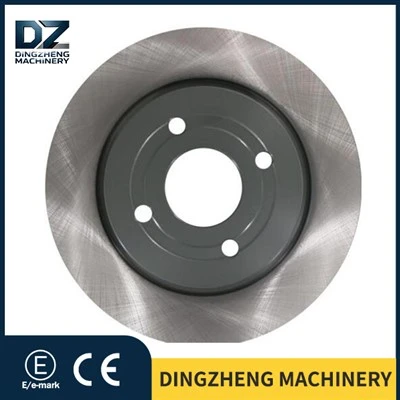

As a key component of drum braking systems, the automotive brake drum is widely used across a range of vehicles and operating environments. Its enclosed construction, reliable braking capability, durability and convenient integration with parking brake mechanisms make it a practical solution for many applications. Although disc brakes have become increasingly common, brake drums continue to play an important role in selected passenger vehicles, commercial vehicles, light trucks and other heavy-duty applications.
In the passenger vehicle segment, brake drums are commonly used on the rear axle of certain models. Because braking demands can differ between the front and rear axles, a drum brake configuration at the rear can provide the required braking performance while helping manufacturers manage vehicle cost and packaging requirements. The drum's internal architecture also makes it convenient to integrate a parking brake mechanism, which supports its continued use in certain entry-level and platform-specific vehicle applications.
Commercial vehicles represent another important application area. Urban delivery vehicles, passenger transport vehicles and some logistics fleets often operate for extended periods, with frequent stops and relatively high loads. Brake drums offer good durability and consistent braking performance under these conditions. Their enclosed design can also provide a degree of protection for internal braking components against dust, dirt and other environmental contaminants encountered during regular operation.
Light trucks and cargo vehicles place additional demands on braking systems because the vehicle must handle both its own weight and the load being transported. Brake drums can generate reliable braking force through their relatively large internal friction surfaces, making them suitable for selected wheel-end applications. For vehicles exposed to heavy loads or frequent braking, material strength, wear resistance and thermal stability are particularly important considerations.
Brake drums can also be found in certain specialized applications. Some construction vehicles, specialized transport equipment and vehicles designed for demanding operating environments may use drum brakes based on their durability and enclosed architecture. The enclosed design can help limit the exposure of internal braking components to external contaminants, supporting reliable operation in challenging conditions.
As electric vehicles, advanced driver-assistance systems and commercial transportation technologies continue to evolve, the role of brake drums is also adapting to new requirements. Improvements in materials, structural design and manufacturing processes are expected to enhance weight efficiency, durability and thermal performance, allowing brake drums to remain a reliable braking solution across an increasingly diverse range of vehicle platforms.