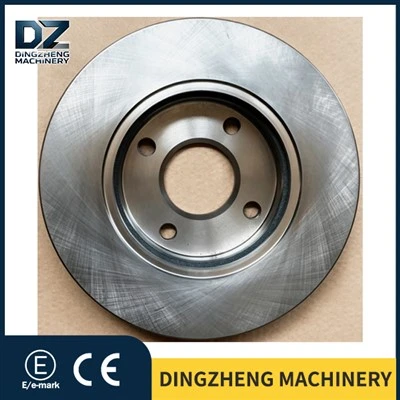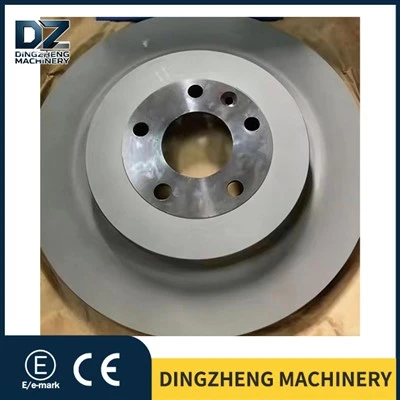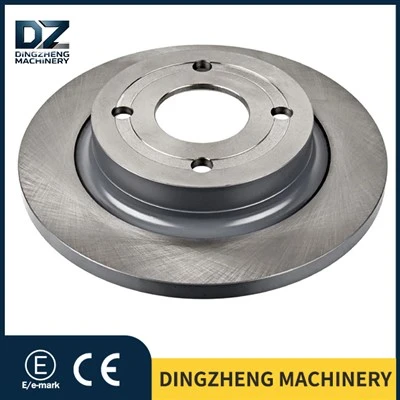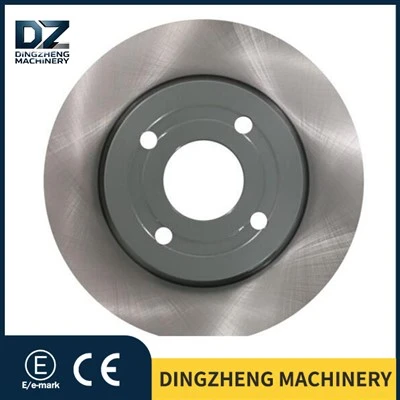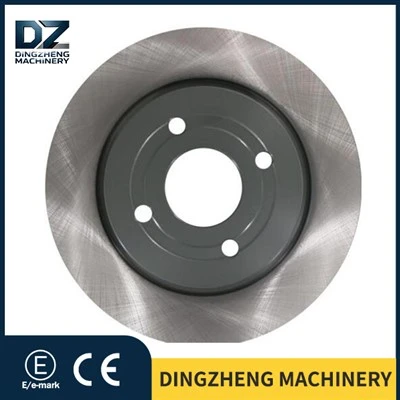

The automotive brake drum is a core component of a drum braking system. Working together with the brake shoes, it generates frictional force to slow the vehicle and bring it to a controlled stop. Depending on structural design, manufacturing methods and vehicle requirements, brake drums can be developed in several configurations. Each design offers different characteristics in areas such as thermal performance, load capacity, durability and application suitability.
Integral brake drums are among the most common configurations. The drum body and hub mounting structure are designed as a single integrated unit, providing a relatively simple architecture with good rigidity and durability. With established manufacturing processes and reliable performance, this type of brake drum is used in selected passenger vehicles, light commercial vehicles and applications with moderate braking demands.
Composite or modular brake drum designs use separate components that are assembled together, allowing individual sections of the braking and hub assembly to be optimized for specific requirements. This approach can provide greater flexibility during maintenance, replacement and structural development. It is used in selected commercial vehicles and specialized vehicle applications where the chassis and wheel-end configuration require a more modular solution.
Brake drums can also incorporate different reinforcement and thermal management features. For vehicles exposed to higher braking loads, engineers may optimize drum wall thickness, external ribs and cooling features to improve structural rigidity and heat dissipation. Such designs can help manage temperature rise and maintain more consistent braking performance during heavy-duty or repeated braking.
Material selection and manufacturing technology are also important factors in brake drum design. Different grades of cast iron may be used depending on the required mechanical and thermal performance, supported by casting and precision machining processes. The selected material must provide an appropriate balance of strength, wear resistance and thermal stability to withstand repeated mechanical and thermal loads throughout the service life of the vehicle.
As the automotive industry moves toward electrification, lightweight engineering and higher vehicle performance, brake drum technology continues to evolve. Future designs are expected to place greater emphasis on weight reduction, thermal management, dimensional accuracy and long-term durability. By tailoring structural and material solutions to passenger vehicles, commercial vehicles and different load conditions, manufacturers can provide braking systems that deliver consistent and reliable performance across a wide range of applications.