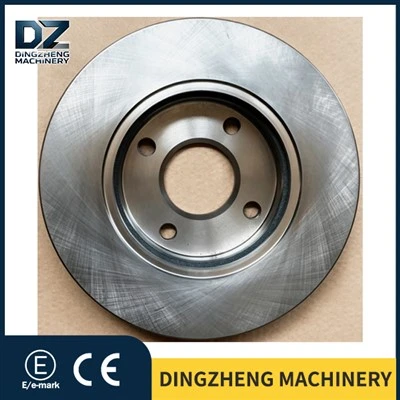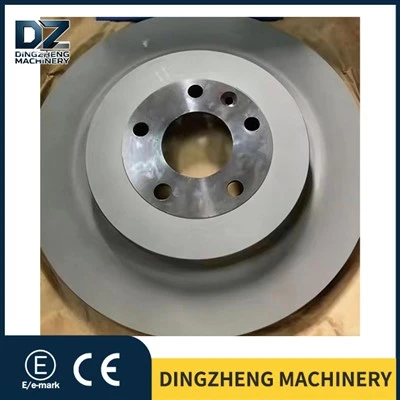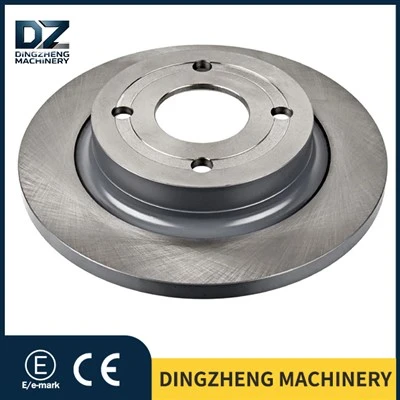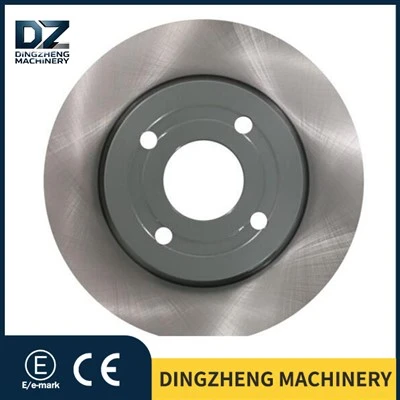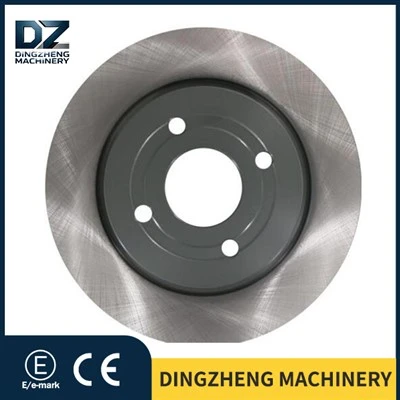

The automotive brake disc is a core component of a disc braking system. Its primary function is to convert the vehicle's kinetic energy into heat through friction, allowing the vehicle to slow down and stop in a controlled manner. As a key braking component, the disc works together with the brake pads, caliper and hydraulic or electronic control systems to deliver consistent braking force under a wide range of driving conditions.
When the driver presses the brake pedal, the braking system rapidly generates the hydraulic or mechanical force required to slow the vehicle. In a conventional hydraulic braking system, the master cylinder generates hydraulic pressure, which is transmitted through the brake lines to the caliper at each wheel. The caliper responds by moving the brake pads toward the rotating disc and clamping the disc from both sides.
Once the brake pads contact the disc, friction develops between the two surfaces. This friction resists the rotation of the disc and transfers braking force through the wheel and tire to the road surface, progressively reducing the vehicle's speed. During this process, most of the vehicle's kinetic energy is converted into heat. The brake disc must therefore provide sufficient mechanical strength as well as strong resistance to high temperatures and repeated thermal loads.
The disc's ability to dissipate heat is particularly important for maintaining braking performance. Many modern brake discs use a ventilated design with internal cooling passages. As the disc rotates, air moves through these passages and carries heat away from the braking surfaces. Effective thermal management helps control disc temperatures and reduces the risk of brake fade during repeated or heavy braking.
Beyond generating frictional braking force, the brake disc's dimensional accuracy, surface condition and dynamic balance can also affect braking quality. Excessive wear, deformation or surface irregularities may contribute to vibration, noise or uneven braking. For this reason, the disc must work in proper condition and remain compatible with the brake pads and other braking components.
As electric and high-performance vehicles continue to evolve, brake discs are being developed to meet changing operating conditions and performance requirements. Future technologies will increasingly combine lightweight materials, advanced ventilation structures and precision manufacturing to improve thermal efficiency, durability and braking consistency while maintaining the high safety standards expected of modern vehicles.