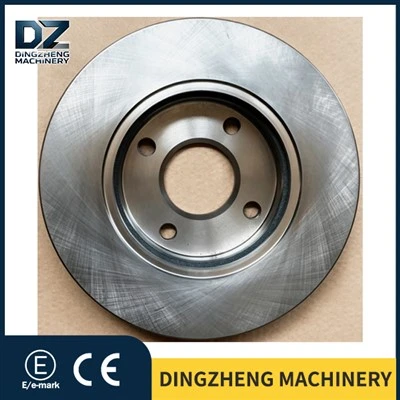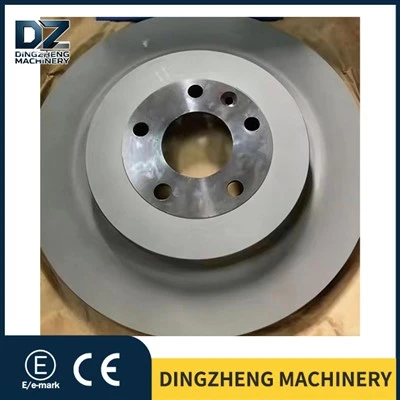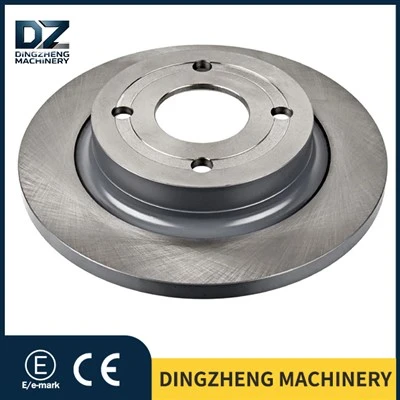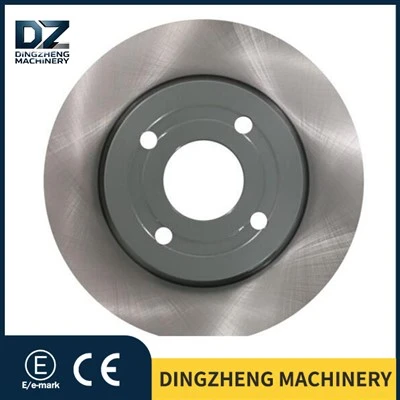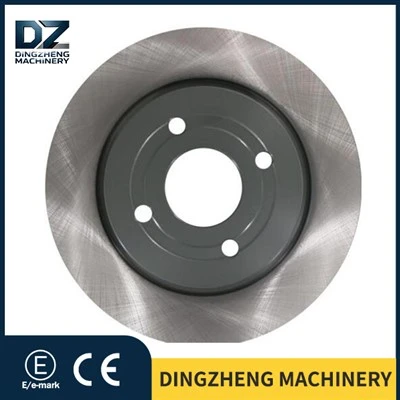

As the automotive industry places greater emphasis on safety, reliability and lightweight engineering, brake drum technology continues to evolve. As a critical component of drum braking systems, the brake drum must withstand repeated friction, mechanical loads and temperature fluctuations throughout its service life. Material properties, structural design and manufacturing precision therefore play a direct role in braking performance and durability. Advances in materials science, precision machining and smart manufacturing are creating new opportunities to improve brake drum technology.
Material engineering provides the foundation for brake drum development. Traditional brake drums are commonly manufactured from cast iron because of its favorable combination of strength, wear resistance and castability. For demanding applications involving higher loads and longer service intervals, manufacturers are optimizing material formulations and microstructures to improve thermal stability, wear resistance and resistance to thermal fatigue.
Casting technology also has a significant influence on brake drum quality. Brake drums often require carefully controlled casting processes to form their structural geometry. Precise control of pouring and cooling conditions helps reduce defects such as porosity, shrinkage and material inconsistency. Advanced casting technologies can improve internal quality and provide a more reliable foundation for subsequent machining and long-term operation.
Precision machining is essential for achieving accurate dimensions and surface quality at the braking surface. Parameters such as roundness, surface roughness and geometric accuracy influence the contact between the brake shoes and the drum. CNC machining and in-process measurement technologies enable manufacturers to control critical dimensions more precisely, helping reduce vibration, noise and uneven wear during braking.
Thermal management is another major area of brake drum development. Braking generates substantial heat that must be transferred away efficiently. Engineers can improve thermal performance by optimizing drum wall thickness, external ribs and other heat-dissipation features. Computer-aided design and simulation tools can also be used during development to evaluate temperature distribution and thermal stress, helping engineers refine the structure before production.
Lightweight engineering and smart manufacturing are further accelerating the evolution of brake drums. Structural optimization and advanced materials can reduce component weight while maintaining the required strength and durability. Automated production, digital inspection and traceability systems can improve manufacturing efficiency, quality consistency and process control.
Looking ahead, brake drum technology will continue to focus on higher strength, greater precision, improved durability and reduced weight. The integration of advanced materials, manufacturing technologies and digital engineering will enable brake drums to deliver more consistent performance and provide increasingly reliable support for modern automotive braking systems.