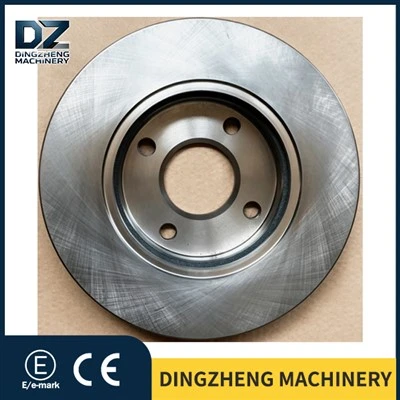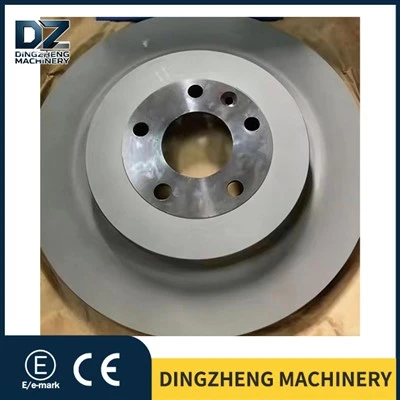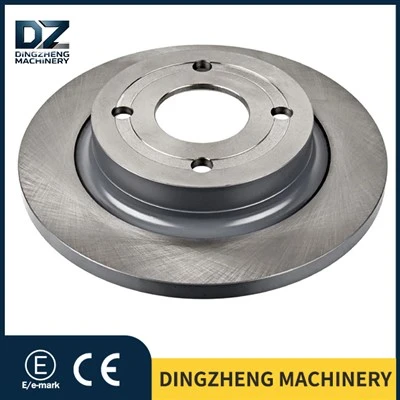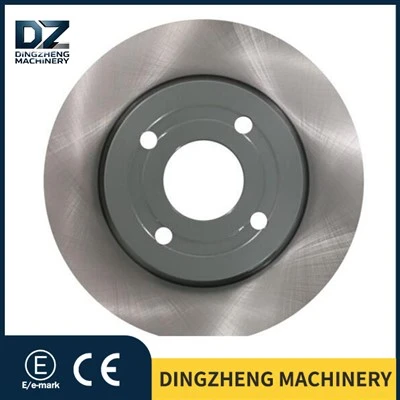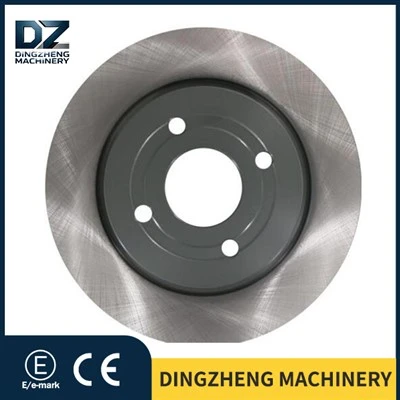

The automotive brake drum is an important component of a drum braking system, and its structural design has a direct impact on braking performance, thermal management, operating stability and service life. Unlike disc brakes, drum brakes use a relatively enclosed architecture, with the brake shoes and friction material positioned inside the drum. When the brake shoes press against the inner braking surface, friction is generated to slow the vehicle and bring it to a controlled stop.
A typical brake drum consists of the drum body, inner braking surface, wheel-hub mounting area and, in some designs, external reinforcement features. The drum body must withstand the mechanical and thermal loads generated during braking, so it is generally manufactured from materials offering an appropriate combination of strength, wear resistance and thermal stability. The inner braking surface is the primary contact area between the drum and brake shoes, making roundness, dimensional accuracy and surface finish important factors in maintaining consistent braking performance.
The mounting structure is designed to provide precise alignment with the wheel hub. A central locating area helps position the drum accurately, while mounting holes secure it to the hub or related wheel-end components. High manufacturing precision helps minimize installation errors, reduce the potential for vibration and noise, and maintain stability as the wheel rotates at high speed.
Brake drums typically dissipate heat through the drum body and its interaction with the surrounding air. Some designs incorporate external cooling ribs or optimized wall thickness to improve heat transfer. Under repeated braking or heavy-load operating conditions, effective thermal management can help control temperature rise and maintain more consistent braking performance.
The enclosed construction of a brake drum also provides a degree of protection for the internal braking mechanism. By limiting direct exposure to dust, mud and other external contaminants, the design can help support the durability of internal components. Its architecture also allows the parking brake mechanism to be conveniently integrated, which contributes to the continued use of drum brakes in selected passenger vehicles, commercial vehicles and cargo applications.
As the automotive industry moves toward electrification and lightweight engineering, brake drum structures are continuing to evolve. Through the use of advanced materials, structural simulation and precision manufacturing technologies, future brake drums are expected to achieve lower weight, improved thermal performance and greater durability while maintaining the reliable braking characteristics required by modern vehicles.