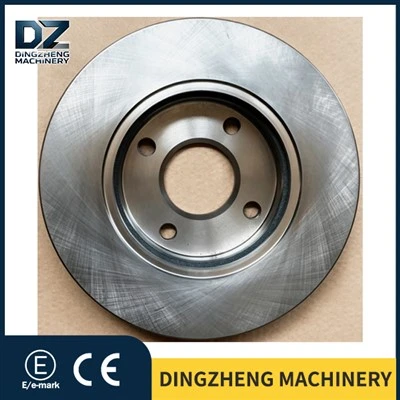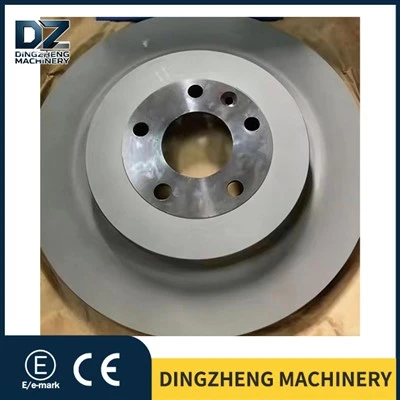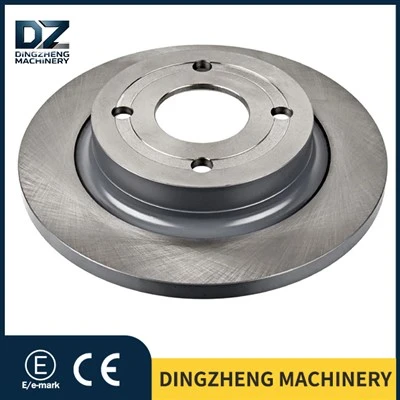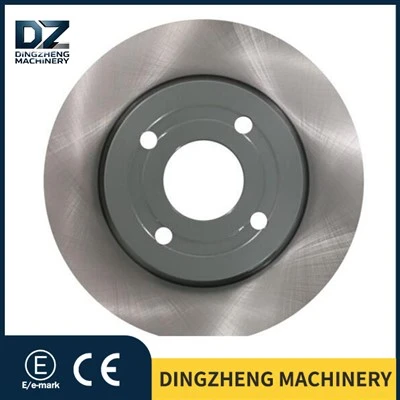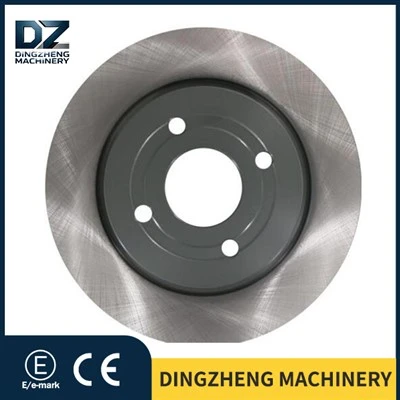

The brake drum is a key component of a drum braking system. It generates braking force through friction between the brake shoes and the inner surface of the drum, allowing the vehicle to slow down and stop. Because brake drums are exposed to friction, heat and repeated mechanical loads, proper braking technique is important for maintaining performance, extending component life and supporting overall vehicle safety.
During normal driving, braking should be smooth and progressive whenever road and traffic conditions allow. Drivers should anticipate changes in traffic and begin slowing down early rather than relying on repeated hard braking. Applying the brake pedal gradually allows the braking system to build force in a controlled manner, reducing sudden thermal loads on the brake drums and contributing to a smoother driving experience.
Extra care is required on long descents or during extended periods of repeated braking. Keeping the brake pedal continuously applied can cause brake drum temperatures to rise significantly and may reduce braking effectiveness. Where appropriate, drivers should use the vehicle's available gear selection or engine-braking functions in accordance with the manufacturer's recommendations, combining them with controlled braking to reduce continuous load on the braking system.
After driving through standing water, the braking components may become wet and temporarily deliver reduced friction. When road conditions are safe, light and controlled braking can help remove moisture from the braking surfaces and restore normal performance. Heavy braking should be avoided immediately after water exposure, and drivers should confirm that braking response has returned to normal.
When new brake drums or brake shoes are installed, an appropriate bedding-in period is required. The new friction surfaces need time to establish a consistent contact pattern. During the initial operating period, prolonged heavy braking and repeated emergency stops should be avoided so that the components can gradually reach their intended working condition.
Any unusual braking behavior should be treated seriously. Symptoms such as abnormal noise, excessive vibration, increased stopping distance, pulling to one side or an unusual brake pedal feel may indicate a problem with the braking system. The vehicle should be slowed and stopped safely when possible, and any inspection, adjustment or repair of critical brake components should be performed by a qualified technician.
Proper operation of a vehicle equipped with drum brakes is not simply about applying greater braking force. It is about using the braking system in a controlled and appropriate manner while adapting to road conditions and vehicle loads. As automotive braking technologies continue to evolve, safe driving practices, correct operation and timely maintenance remain essential to maintaining reliable braking performance.