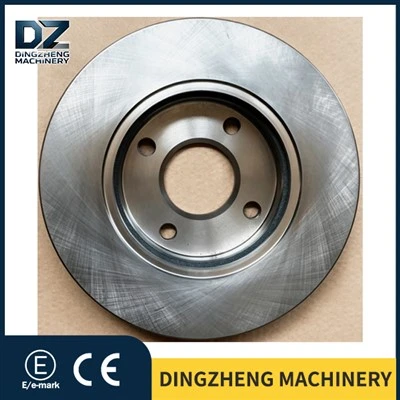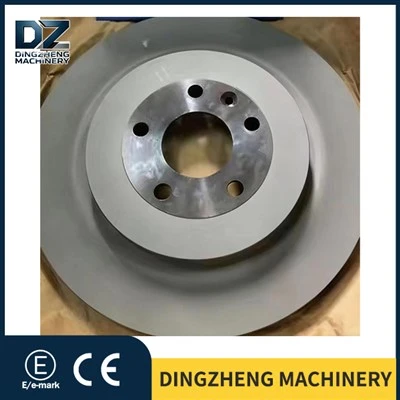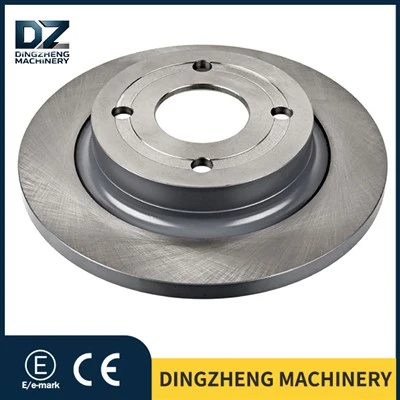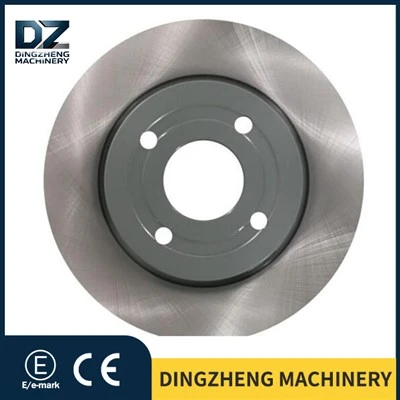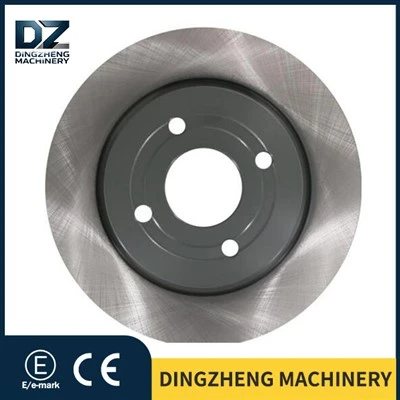
If you spend time working on light commercial vehicles, you know brake drums are still everywhere. A lot of fleet teams put off checking them, and that small oversight can turn into braking trouble down the line. These vans and small delivery trucks carry loads nonstop, and drum brakes wear in ways you won't see on regular passenger cars.
The most basic check is measuring the inner diameter. Every brake drum has its maximum wear limit marked clearly. I've seen many shops try to keep running drums once they pass that size, just to cut costs. It never works out well. When the drum stretches past its limit, the brake shoes can't sit flat against the surface. Stopping distance gets longer, and the drum is far more likely to crack under heavy heat.
Heat marks are another thing to watch for. Hard, repeated braking leaves dark hot spots on the inner surface. Drivers will feel a pulse through the brake pedal when this happens. Light scoring can sometimes be fixed by machining, but I would not recommend turning the drum over and over. Every cut removes material from the drum wall, and thinner walls fail much easier under heat and load.
Rust and pitting catch a lot of people off guard too. A little surface rust after wet weather is normal. Deep pitting is not. Those rough holes chew through brake shoes quickly, and you will end up with constant squealing or scraping noise when the brakes are applied. Cleaning will not fix pitted friction surfaces.
When you fit a new drum, do not skip the fitment checks. Hub bore, stud layout and offset all need to line up with the original OE part. Even a tiny mismatch will create wobble and wear out your new drum fast. Our brake drums use stable grey iron casting, finished on CNC machines to hold tight tolerances. Production follows IATF16949 standards, and we cover many common light van and pickup models.
One habit I always pass along to garage technicians: check wheel cylinders and brake shoes together with the drums. A leaky cylinder will ruin a brand-new drum in no time. Also, take the time to adjust the brakes properly after assembly. It makes a huge difference to how the brake feels and how long parts last.
For fleet managers, set a regular inspection schedule based on how heavy the loads are and what kind of roads the vehicles run on. Measuring drums on schedule lets you catch wear before it becomes a safety risk.
If you are looking for reliable aftermarket brake drums for your shop or fleet, we can share OE cross numbers and test documentation for bulk orders.

Brake Drum Maintenance Guide for Light Commercial Vehicles: Wear Check and Replacement Tips