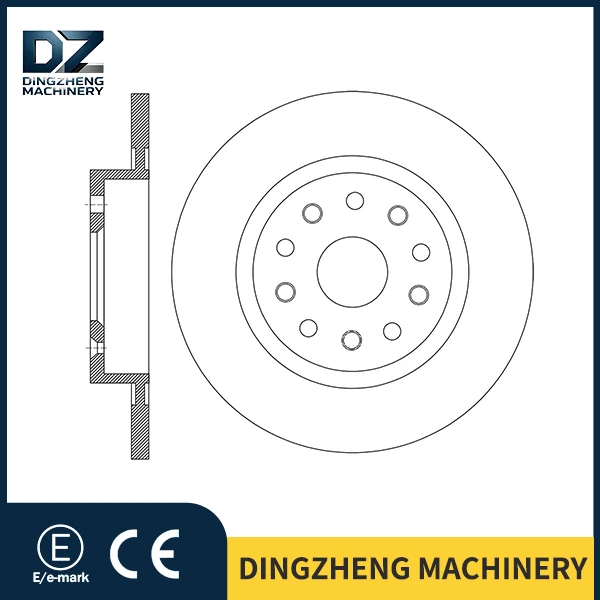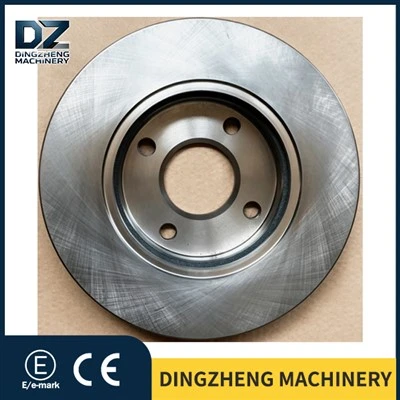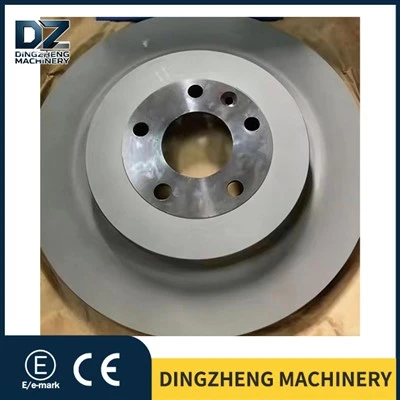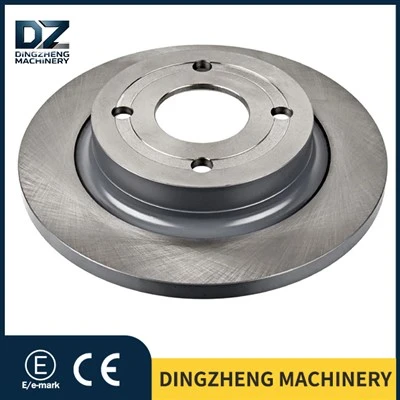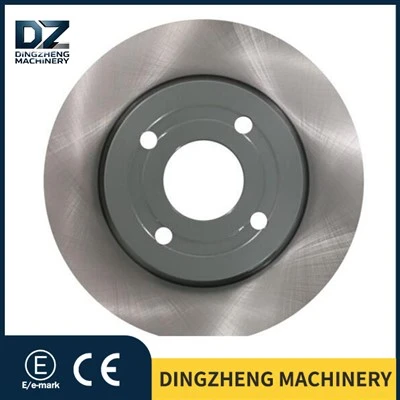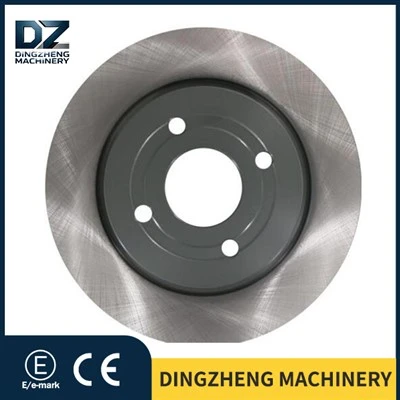

As automotive technology continues to advance, drivers are placing greater emphasis on vehicle safety, comfort and overall driving quality. As a key component of a disc braking system, the brake disc converts the vehicle's kinetic energy into heat during braking, enabling controlled deceleration and stopping. Buick offers a broad range of sedans, SUVs, MPVs and electrified vehicles, so brake disc development must account for differences in vehicle weight, powertrain characteristics and operating conditions while maintaining an appropriate balance between braking performance and ride comfort.
Safety and reliability are fundamental considerations in Buick brake disc design. During braking, the disc is exposed to continuous friction, mechanical loads and elevated temperatures generated by contact with the brake pads. Engineers therefore consider material strength, wear resistance and thermal stability from the earliest stages of development. Appropriate material selection and optimized rotor geometry can help maintain consistent performance under a wide range of operating conditions and reduce performance degradation over the component's service life.
Smooth and predictable braking is another important design objective. Brake disc thickness variation, lateral runout, roundness and surface quality can all affect the contact between the disc and brake pads. Precision machining and strict quality control help achieve a more uniform friction interface, reducing the potential for brake judder, abnormal noise and uneven wear. This contributes to a smoother and more refined braking experience.
Thermal management is another critical area of brake disc engineering. Repeated braking can generate substantial heat, and inadequate heat dissipation may affect braking consistency. Depending on the braking requirements of each vehicle, engineers can optimize rotor thickness, ventilation features and cooling passages to improve heat transfer and thermal dissipation. Effective thermal management helps the brake disc maintain stable performance during high-temperature and repeated-braking conditions.
Lightweight engineering is also becoming increasingly important. By optimizing material distribution and structural geometry, engineers can reduce component weight while maintaining the required strength and durability. For electrified vehicles, the friction braking system also needs to work in coordination with regenerative braking. Brake disc development must therefore consider the interaction between mechanical braking and electronically controlled braking functions as part of the overall vehicle system.
Application-specific fitment is another essential part of the design philosophy. Different Buick models can vary significantly in dimensions, vehicle weight and braking configurations. Brake discs must therefore be correctly matched with the calipers, brake pads, wheel hubs and other related components.
Looking ahead, Buick brake disc development will continue to focus on safety, stability, comfort and durability. Advances in materials engineering, structural optimization and precision manufacturing will help create braking components that deliver reliable performance while meeting the evolving requirements of modern vehicles.