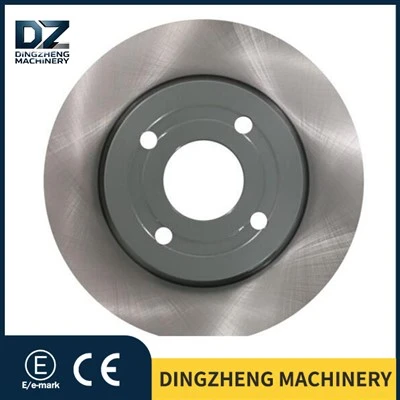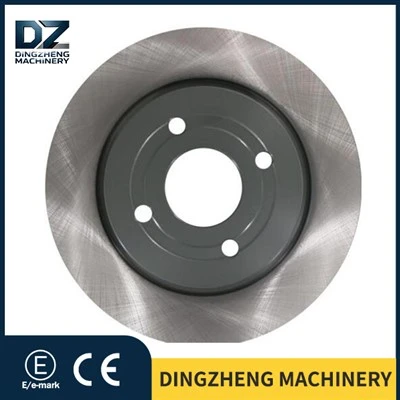

As automotive manufacturing technology continues to advance, braking systems are facing increasingly demanding requirements for safety, stability and driving comfort. The brake disc is a key friction component in a disc braking system and works together with the brake pads, caliper and wheel hub. During vehicle deceleration and stopping, it must withstand significant friction and thermal loads. Buick offers sedans, SUVs, MPVs and electrified vehicles, with differences in vehicle size, weight and powertrain configuration. Brake disc construction is therefore tailored to the requirements of different vehicle applications.
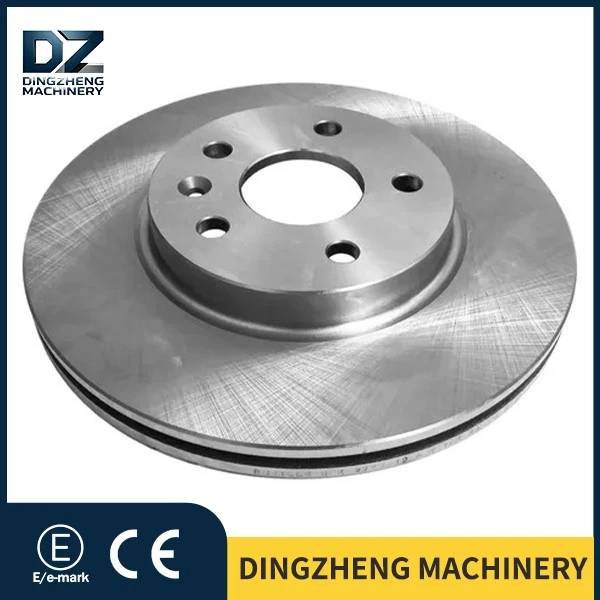
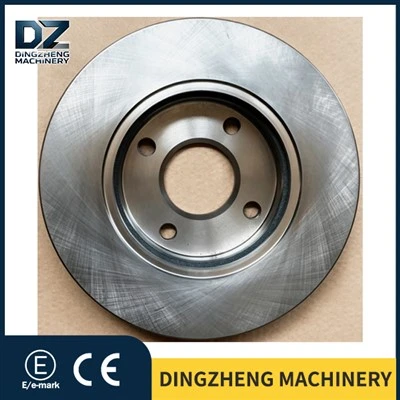
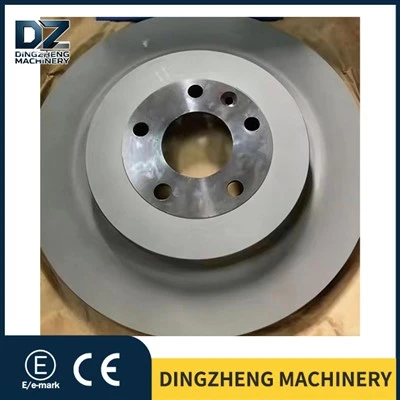
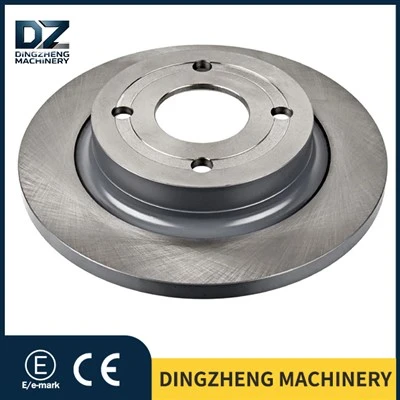
A typical Buick brake disc consists of the rotor body, friction surfaces, central locating area and mounting features. The rotor body carries the primary mechanical and thermal loads generated during braking, while its diameter and thickness are selected according to vehicle weight, powertrain characteristics and braking requirements. The central locating area helps ensure accurate alignment with the wheel hub, while the mounting features securely hold the disc in position during vehicle operation.
Thermal management is an important part of brake disc construction. Depending on the braking requirements of the vehicle, different Buick applications may use solid or ventilated brake discs. Solid discs have a relatively simple structure and can be suitable for applications with moderate braking loads. Ventilated discs incorporate internal cooling passages that promote airflow through the rotor, helping remove heat generated by friction. Effective ventilation can improve thermal stability and is particularly beneficial for larger vehicles or applications involving repeated braking.
Material performance provides another important foundation for brake disc design. Automotive brake discs require a suitable combination of strength, wear resistance and thermal stability. Cast iron remains widely used because it offers a practical balance of mechanical performance, thermal characteristics and manufacturing cost. Appropriate material formulations, casting processes and heat-treatment methods can further improve durability and dimensional stability.
Manufacturing precision also has a direct influence on brake disc performance. Thickness consistency, roundness, lateral runout and friction-surface quality all affect the contact between the brake pads and the rotor. Precision machining and rigorous inspection help reduce the potential for brake judder, abnormal noise and uneven wear, supporting more consistent braking performance.
Brake disc specifications can vary between Buick models, model years and braking configurations. When replacing a brake disc, the exact vehicle specification and original equipment dimensions should therefore be verified. The compatibility and condition of the brake pads, caliper and wheel hub should also be checked to ensure that the complete braking system operates correctly.
As Buick continues to develop electrified and lightweight vehicle technologies, brake disc design is also evolving. Future developments are expected to focus on improved heat dissipation, long-term durability and weight optimization while maintaining the braking safety and reliability required by modern vehicles.