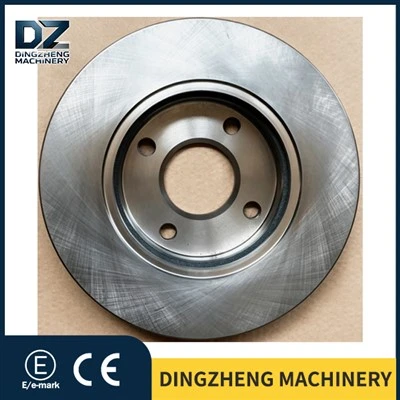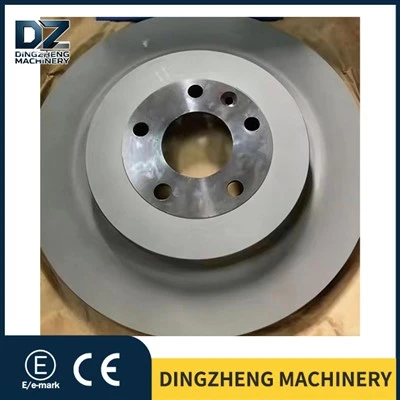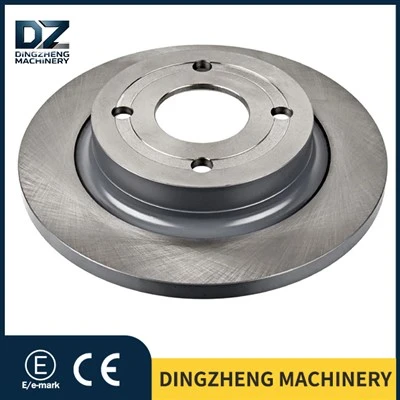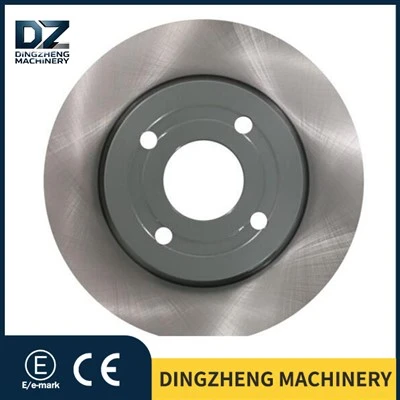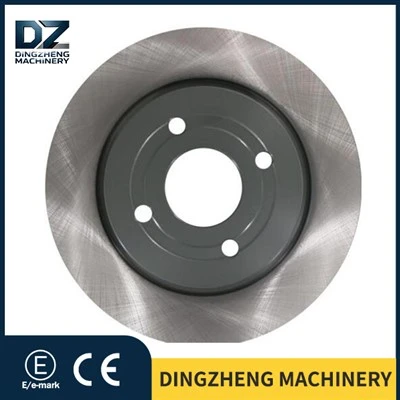

The automotive brake drum is a key component of a drum braking system, and its performance has a direct impact on braking effectiveness, vehicle stability and driving safety. With brake drums available in a wide range of specifications, materials and manufacturing configurations, selecting the right product requires more than simply comparing prices. Vehicle compatibility, operating conditions, braking loads and product quality should all be considered to ensure reliable performance and proper integration with the braking system.
The first step is to verify the brake drum specifications. Different vehicles may use drums with different diameters, widths, internal dimensions, mounting patterns and wheel-hub interfaces. Before purchasing a replacement, the required specifications should be checked against the vehicle manufacturer's technical information or the original component. A drum with incorrect dimensions may create installation difficulties, uneven brake shoe contact or inconsistent braking performance.
The vehicle's operating environment is another important consideration. For passenger vehicles used primarily for everyday urban driving, brake drums that meet the original equipment specifications are generally an appropriate choice. Vehicles that frequently carry heavy loads, travel long distances, operate on steep roads or experience repeated braking require greater attention to strength, wear resistance and thermal stability. Commercial and heavy-duty vehicles should use brake drums specifically designed for their expected load and operating conditions.
Material selection and manufacturing quality also have a significant influence on brake drum performance. A well-engineered brake drum should provide a balanced combination of strength, wear resistance and dimensional stability. Casting, heat treatment and precision machining processes must be properly controlled to achieve consistent quality. In particular, the roundness, surface finish and machining accuracy of the braking surface are important because they affect how evenly the brake shoes contact the drum.
Product quality control and after-sales support should also be considered. Established manufacturers typically have defined inspection procedures and provide clear technical specifications for their products. Buyers should use reputable suppliers and select components that comply with applicable quality requirements rather than choosing products with uncertain origins or unclear specifications.
As automotive technology advances toward electrification and higher vehicle performance, brake drum designs are also evolving through lightweight engineering and performance optimization. For vehicle owners and service professionals, the most suitable brake drum is one that combines proper fitment, durability, thermal stability and reliable quality. Evaluating the vehicle's actual requirements alongside the product's technical characteristics is the best way to achieve safe and dependable braking performance.