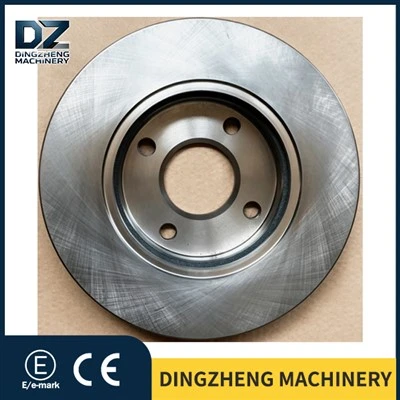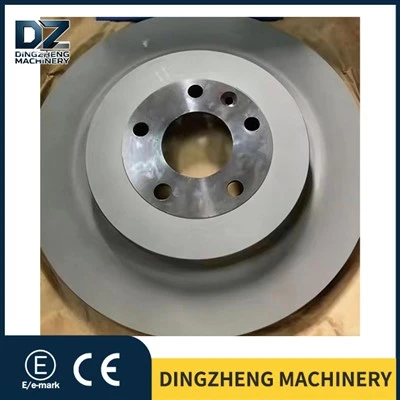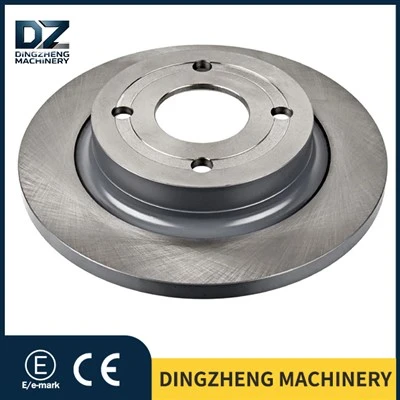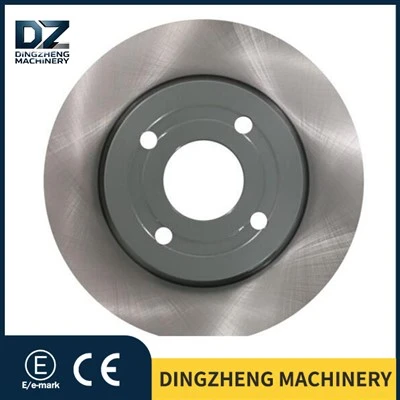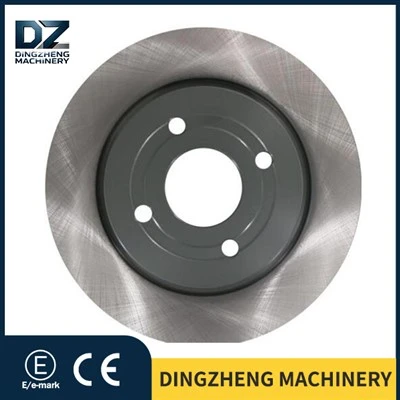

The automotive brake drum is a key component of a drum braking system. Its primary role is to generate braking force through friction with the brake shoes, allowing the vehicle to slow down and stop in a controlled manner. During operation, the brake drum also contributes to energy conversion, heat management and consistent braking force. Thanks to its durable construction and functional characteristics, drum brakes remain widely used in a variety of passenger and commercial vehicles.
The most fundamental function of a brake drum is to reduce vehicle speed and bring the vehicle to a stop. When the driver applies the brake pedal, hydraulic pressure is transmitted to the wheel-end assembly. The wheel cylinder pushes the brake shoes outward, causing the friction material to press against the inner surface of the rotating drum. The resulting friction resists drum rotation, reducing wheel speed and allowing the vehicle to decelerate in a controlled manner.
During braking, the vehicle's kinetic energy is converted into heat through friction. The brake drum must withstand the resulting thermal and mechanical loads while transferring heat through the drum body and releasing it into the surrounding air. Material properties, structural design and thermal performance therefore have a direct influence on the drum's ability to maintain consistent braking under repeated or demanding conditions.
The brake drum also plays an important role in transmitting and maintaining braking force. Because the drum rotates together with the wheel, friction generated by the brake shoes creates resistance that is transferred through the drum and wheel hub to the wheel. This allows the braking force to act effectively at the road surface. Consistent force transmission contributes to predictable braking response and helps minimize vibration and uneven braking.
Another important function is the integration of the parking brake. Once the vehicle is parked, the parking brake mechanism can keep the brake shoes pressed against the inner surface of the drum, generating a sustained holding force. This helps prevent unwanted vehicle movement when the vehicle is stationary, particularly when parked on an incline. This feature remains an important advantage of drum brake systems in many vehicle applications.
As automotive technology continues to evolve, brake drum development is increasingly focused on improved performance and reliability. Advances in materials, structural engineering and manufacturing processes can enhance wear resistance, thermal stability and service life, allowing modern brake drums to provide dependable braking support across a wide range of vehicle applications.