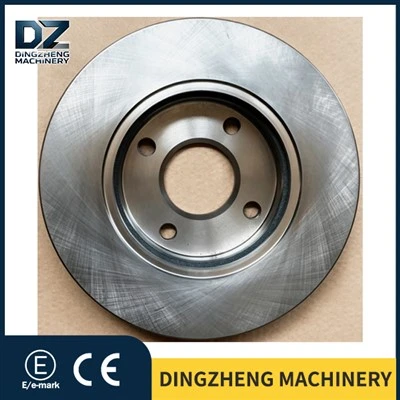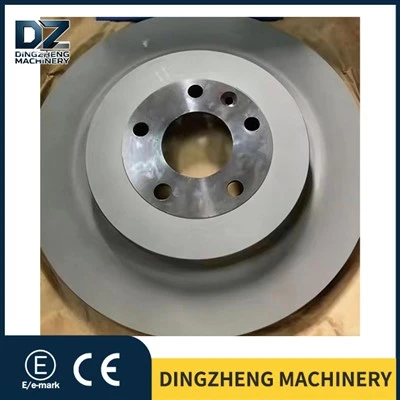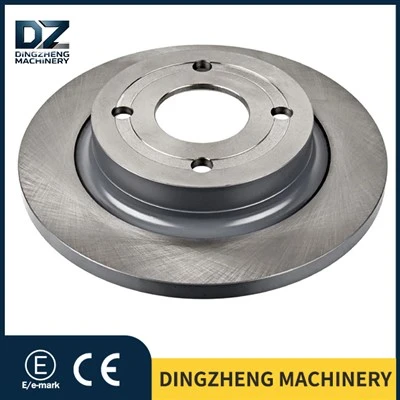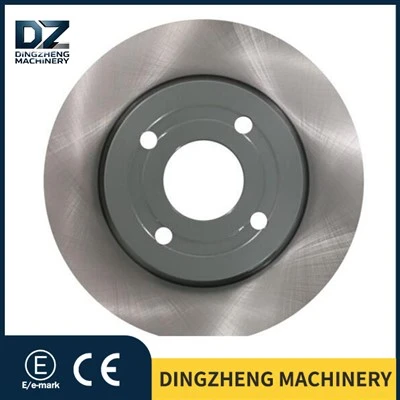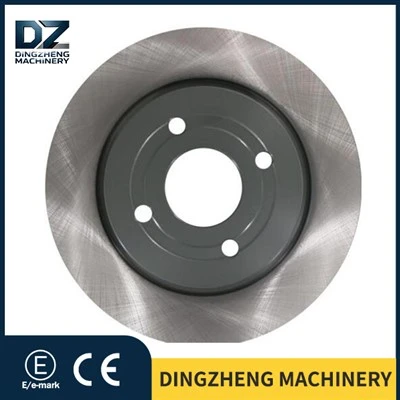

An automotive brake drum is a key component of a drum braking system and serves as one of the primary friction elements responsible for slowing and stopping a vehicle. Typically mounted around the wheel hub, the brake drum works together with brake shoes, wheel cylinders, return springs and other components to form a complete drum brake assembly. When the driver applies the brake pedal, braking force causes the brake shoes to move outward and press against the inner surface of the rotating drum. The resulting friction reduces wheel speed and brings the vehicle to a controlled stop.
A typical brake drum consists of a drum body, an internal braking surface and a mounting section that connects the drum to the wheel hub. The drum body is generally manufactured from materials with suitable strength and thermal resistance, while the inner surface is precision-machined to provide a consistent cylindrical contact area. During braking, the friction material on the brake shoes presses against this surface, converting the vehicle's kinetic energy into heat, which is then dissipated through the drum and into the surrounding environment.
In addition to transmitting braking force, the brake drum must withstand the mechanical and thermal loads generated during vehicle operation. Factors such as dimensional accuracy, roundness, surface finish and material properties can therefore have a direct impact on braking performance. A properly manufactured brake drum helps maintain consistent contact with the brake shoes, reducing vibration and noise while providing predictable braking behavior.
Compared with disc brake systems, drum brakes offer several distinct characteristics. Their enclosed construction provides protection against certain environmental contaminants, while their relatively simple architecture can offer cost advantages and convenient integration of the parking brake mechanism. For these reasons, brake drums continue to be used on selected rear axles of passenger vehicles, commercial vehicles, light trucks and other applications where reliable braking performance is required.
As automotive engineering continues to advance, brake drum materials and manufacturing technologies are also evolving. Modern designs increasingly focus on lightweight construction, higher strength, wear resistance and improved thermal stability, supported by optimized geometries and more precise machining processes. As vehicle manufacturers place greater emphasis on safety, reliability and efficiency, brake drums will continue to evolve as an important braking solution for a wide range of automotive applications.