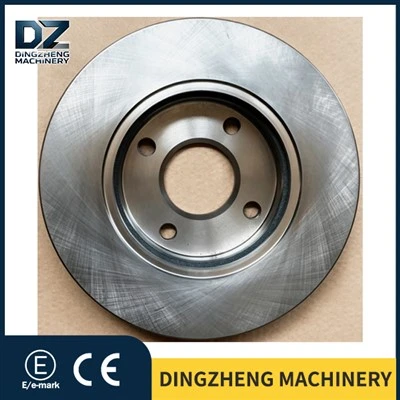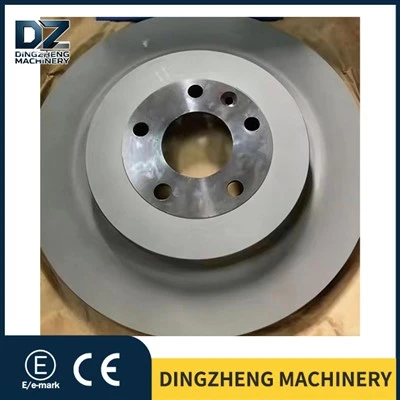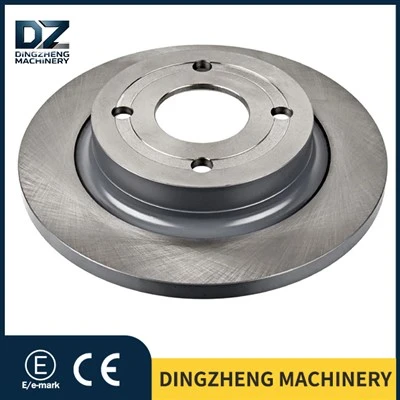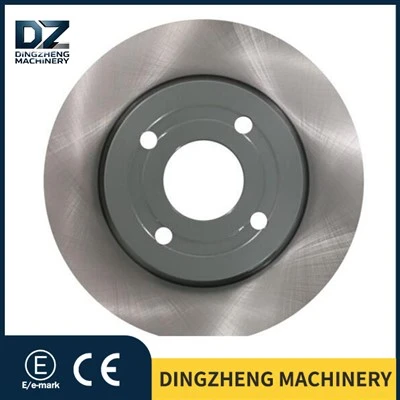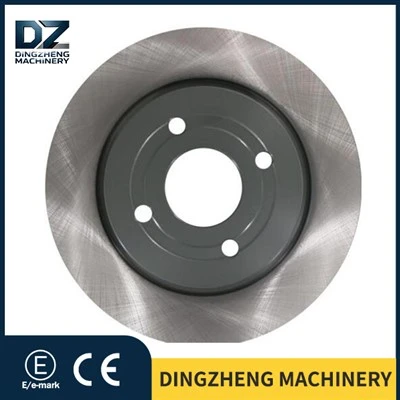

The automotive brake drum is an important safety component in a drum braking system. During long-term operation, it is exposed to friction, heat, dust and repeated mechanical loads. Without proper maintenance, the brake drum and related components may experience excessive wear, corrosion or performance deterioration, potentially affecting braking effectiveness. Regular inspection and proper servicing are therefore essential for maintaining reliable braking performance and vehicle safety.
Routine inspection is the foundation of brake drum maintenance. During scheduled vehicle servicing, the condition of the brake drum should be checked carefully. Particular attention should be paid to the inner braking surface for excessive wear, deep grooves, cracks, abnormal corrosion or other signs of damage. If significant or uneven wear is found, the brake assembly should be evaluated by a qualified technician and the drum repaired or replaced when necessary.
Keeping the brake drum and surrounding components clean is also important. Over time, brake dust, dirt and other contaminants can accumulate within the braking assembly and may interfere with proper contact between the brake shoes and drum. During maintenance, these components should be cleaned using appropriate procedures and products that are suitable for braking-system components.
Brake drum maintenance should not focus on the drum alone. Related components, including the brake shoes, friction linings, wheel cylinders and return springs, should also be inspected. Severely worn friction material or a malfunctioning brake mechanism can reduce overall braking performance even when the drum itself remains in acceptable condition. A complete system inspection helps ensure that all components continue to operate together effectively.
Drivers should also pay attention to changes in braking behavior. Unusual noise, noticeable vibration, increased stopping distance or uneven braking can indicate a potential problem that requires inspection. Vehicles operating under frequent or heavy braking conditions generate significant heat, making thermal performance and temperature management particularly important in demanding applications.
When a brake drum reaches the manufacturer's specified wear limit or develops cracks, severe deformation or other safety-related damage, it should be replaced promptly. Replacement drums should match the vehicle and braking system specifications, and installation and adjustment should be performed according to the appropriate service procedures by qualified personnel.
Although brake drum materials and manufacturing technologies continue to improve, proper use and regular maintenance remain essential to long-term performance. Routine inspections, appropriate cleaning, timely servicing and correct replacement can reduce the risk of braking-system problems, extend component life and help ensure safe and reliable vehicle operation.