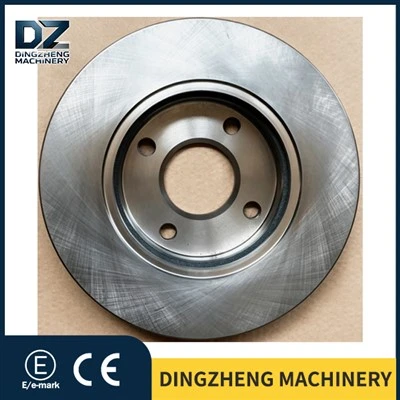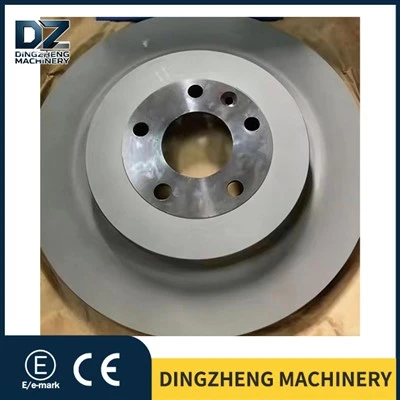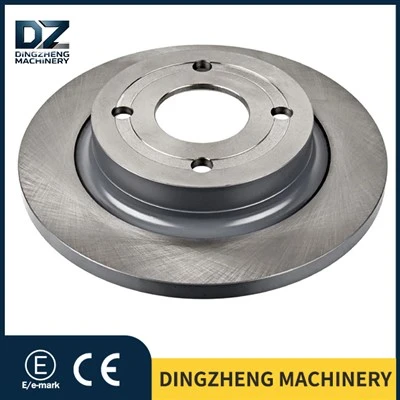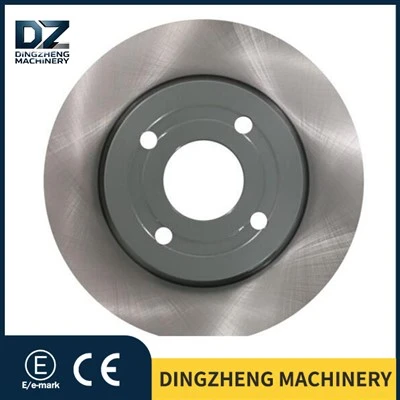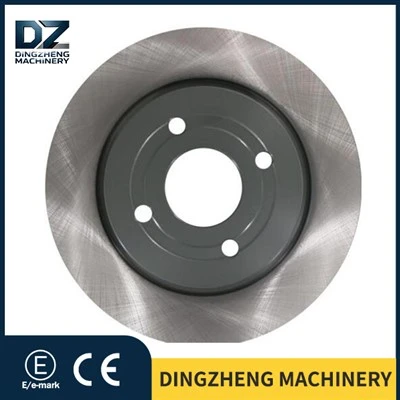

The automotive brake drum is a key component of a drum braking system, using friction to slow the vehicle and bring it to a controlled stop. Unlike disc brakes, which operate with brake pads clamping onto an exposed rotor, drum brakes house the braking mechanism inside a rotating drum. Brake shoes press against the inner surface of the drum, generating friction that converts the vehicle's kinetic energy into heat and reduces wheel speed.
When the driver presses the brake pedal, hydraulic pressure is transmitted through the braking system to the wheel-end components. The wheel cylinder responds to this pressure by pushing the brake shoes outward. The friction material on the shoes then contacts the inner surface of the rotating brake drum. As the contact force increases, friction is generated between the two surfaces, creating resistance against drum rotation and gradually slowing the wheel.
Friction is the fundamental mechanism behind the braking process. The vehicle's kinetic energy is converted into heat at the contact surfaces and is then released through the brake drum and surrounding air. Because the drum is exposed to repeated mechanical loads and significant temperature changes, it must provide sufficient strength, wear resistance and thermal stability. For vehicles that operate under heavy loads or experience frequent braking, effective heat management is particularly important.
A typical brake drum consists of the drum body, an internal braking surface and a mounting structure that connects the drum to the wheel hub. The drum provides the enclosed working space for the brake shoes while also transmitting braking torque and helping dissipate heat. The inner braking surface must maintain accurate dimensions and a consistent finish to ensure uniform contact with the brake shoes and reduce the risk of vibration, noise and uneven braking.
Compared with disc brakes, drum brakes offer several advantages, including an enclosed design, strong braking force and convenient integration of the parking brake mechanism. As a result, they remain widely used on certain rear axles, commercial vehicles and heavy-duty applications. With ongoing advances in automotive engineering, brake drum materials, structures and manufacturing processes continue to improve, supporting greater durability, thermal stability and reliability across a wide range of operating conditions.