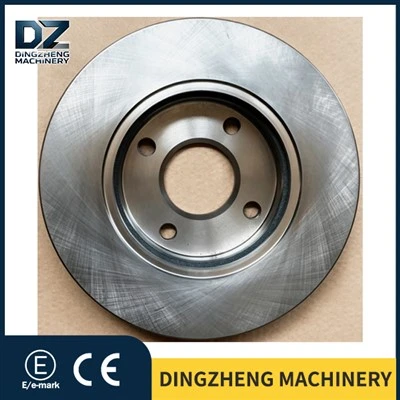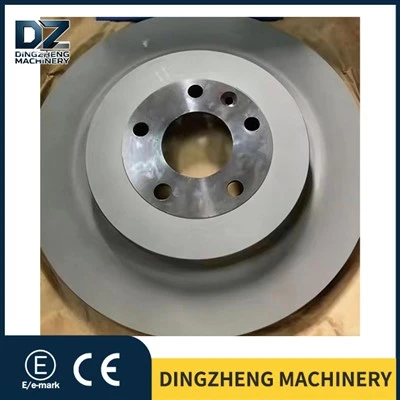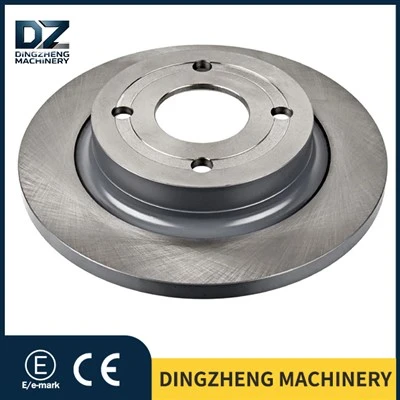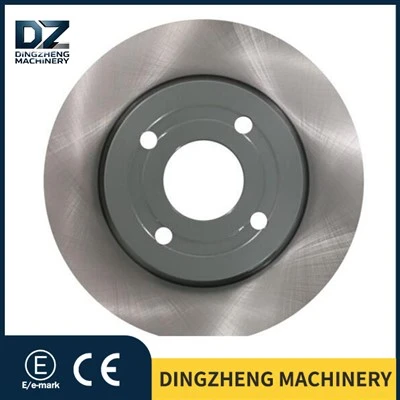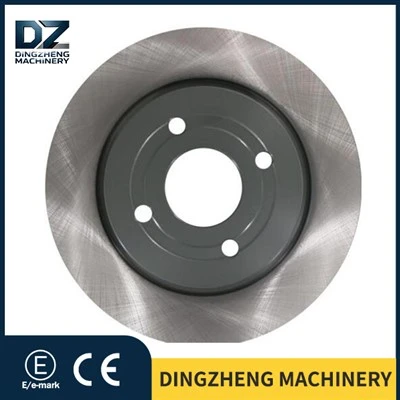

The automotive brake disc is a critical safety component that directly influences braking efficiency, vehicle stability and driving safety. With a wide range of brake discs available in different materials, designs and specifications, selecting the right product has become an important consideration for vehicle owners and service professionals. Proper selection not only helps maintain reliable braking performance but can also reduce abnormal wear and extend the service life of the braking system.
The first consideration when choosing a brake disc is vehicle compatibility. The vehicle model, production year, powertrain and original braking system configuration can all affect the required disc specifications. Before purchasing, key measurements such as disc diameter, thickness, center bore, mounting hole count and bolt pattern should be carefully verified. Using a disc with incorrect dimensions can lead to installation problems and compromise braking performance.
The intended driving environment should also be taken into account. Vehicles primarily used for everyday urban driving can generally use brake discs that meet the original equipment specifications. Vehicles frequently driven at high speeds, on steep roads or under heavy braking loads may require greater thermal capacity and heat resistance. For performance-oriented applications, drivers may consider ventilated, drilled or slotted designs when appropriate for the vehicle and its intended use.
Material quality and manufacturing processes are equally important. A high-quality brake disc should offer a strong combination of mechanical strength, wear resistance and thermal stability while maintaining precise dimensional tolerances. Poor manufacturing accuracy can contribute to vibration, noise and uneven braking. Buyers should therefore consider applicable quality standards, manufacturing processes and the manufacturer's quality control capabilities when evaluating different products.
A brake disc also works as part of a larger braking system, so its performance is influenced by the condition of other components, including brake pads, calipers and wheel hubs. When replacing brake discs, the surrounding braking components should be inspected as well. In some cases, replacing the brake pads at the same time and following the recommended bedding-in procedure can help establish consistent contact and braking performance.
As electric and high-performance vehicles continue to develop, brake disc technology is increasingly focused on lightweight construction, high strength and efficient thermal management. For consumers, selecting a product that matches the vehicle's specifications and operating requirements will remain essential. Purchasing through reputable channels and having the components installed correctly are also important steps toward maintaining safe and dependable braking performance.