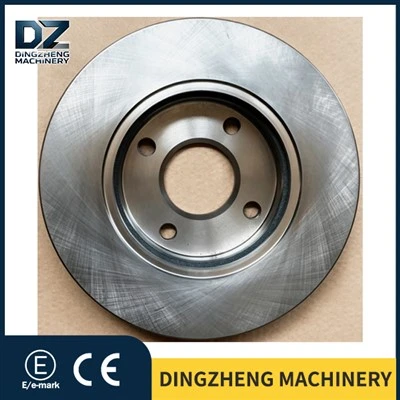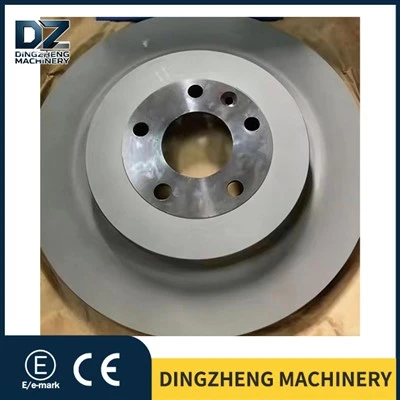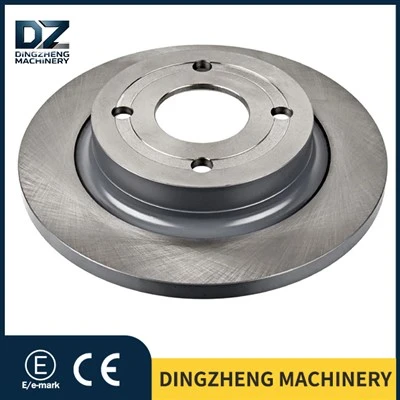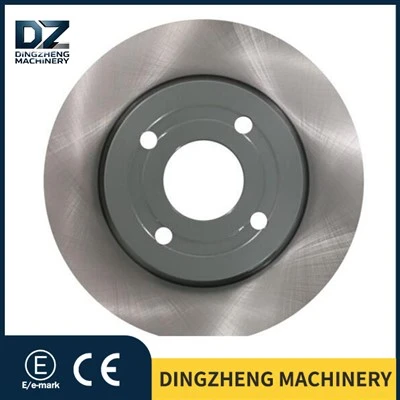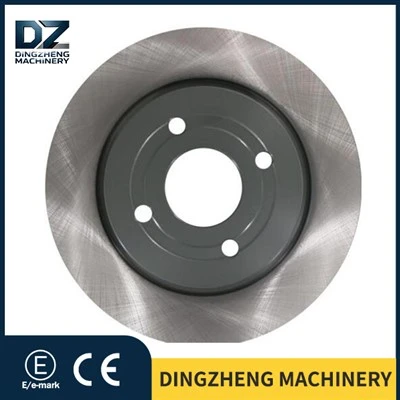

The automotive brake drum is a key component of a drum braking system, playing an important role in vehicle deceleration, stopping and parking. As the automotive industry continues to advance, braking systems are facing increasingly demanding requirements for safety, reliability and durability. Although disc brakes have become more widely adopted, brake drums continue to offer significant value in passenger cars, commercial vehicles, light trucks and selected heavy-duty applications.
The most important value of a brake drum lies in its contribution to vehicle safety. Working together with the brake shoes, the drum generates friction that converts the vehicle's kinetic energy into heat, reducing wheel speed and allowing the vehicle to slow down and stop in a controlled manner. Reliable structural strength and consistent friction performance help the braking system operate effectively under varying road and load conditions, providing a fundamental layer of protection for vehicle occupants and road users.
Durability is another major advantage. Brake drums are exposed to repeated mechanical loads, friction and temperature changes throughout their service life. High-quality materials and controlled manufacturing processes can help maintain dimensional stability and wear resistance over time. This can reduce premature component replacement and help lower maintenance demands during long-term vehicle operation.
Brake drums can also provide economic benefits. Their mature design and established manufacturing processes allow manufacturers to produce reliable braking components while managing production and service costs. For certain vehicle applications, a drum brake system can meet the required braking performance without adding unnecessary complexity. The enclosed design also provides a degree of protection for internal braking components, which can be beneficial in certain operating environments.
Another important advantage is the convenient integration of the parking brake mechanism. The internal architecture of a drum brake provides space for a mechanical parking brake, allowing the vehicle to remain securely stationary after it has been parked. This characteristic is particularly useful in selected rear-axle applications and commercial vehicles.
As the automotive industry moves toward electrification, lightweight engineering and higher performance, the role of brake drums is also evolving. Advances in materials, structural optimization and manufacturing technology are expected to further improve weight efficiency, thermal stability and durability. By continuing to balance safety, reliability and cost efficiency, brake drums can remain a practical and valuable braking solution for a diverse range of modern vehicles.