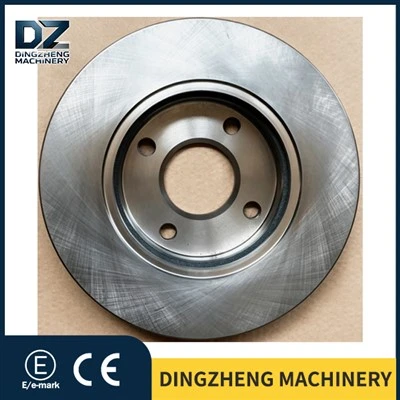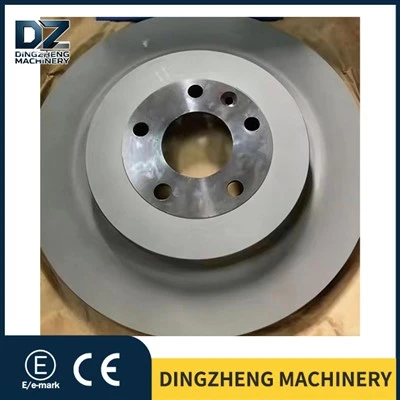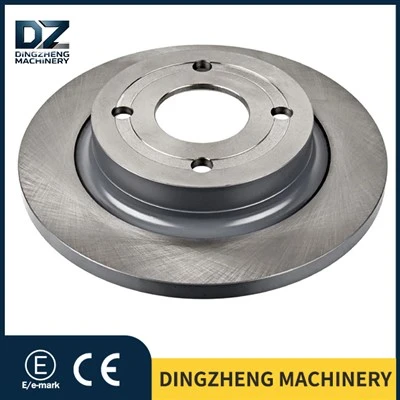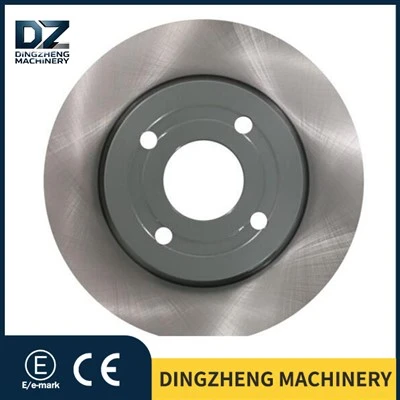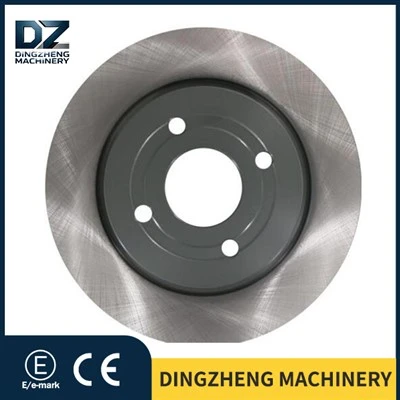

The automotive brake drum is a critical safety component in a drum braking system, and its condition has a direct impact on braking performance and vehicle safety. Throughout its service life, a brake drum is exposed to friction, temperature fluctuations and repeated mechanical loads. Proper selection, installation, replacement and maintenance are therefore essential. Following recommended procedures can help maintain consistent braking performance while extending the service life of the brake drum and related components.
When selecting a brake drum, compatibility with the vehicle and its original braking system should be the first priority. Important specifications may include the drum's outer and inner diameter, width, mounting dimensions and interface with the wheel hub. These parameters should meet the vehicle manufacturer's requirements. An incorrectly specified drum may cause installation problems, uneven contact with the brake shoes or inconsistent braking performance, so selection should never be based solely on appearance or price.
Before installation, the condition of the wheel hub, brake shoes and other related components should be inspected. The mating surfaces should be clean and free from oil, dirt, corrosion and other debris. Once the brake drum has been installed, its alignment and mounting should be checked carefully. Proper installation helps prevent excessive runout, vibration and abnormal noise during operation.
A newly installed brake drum also requires an appropriate bedding-in period. New drums and friction materials need time to establish a stable and even contact pattern. During this period, drivers should avoid repeated emergency braking and prolonged heavy braking whenever possible, allowing the friction surfaces to gradually achieve their intended operating condition.
During normal driving, prolonged or repeated high-intensity braking should be avoided when conditions permit. Excessive braking can cause the brake drum temperature to rise rapidly, increasing thermal stress and potentially affecting braking performance. If braking behavior changes noticeably after driving through standing water, the braking system should also be checked. Regular inspections should look for excessive wear, cracks, significant corrosion or irregularities on the braking surface.
If the vehicle develops longer stopping distances, unusual braking noise, noticeable vibration or other abnormal braking behavior, the system should be inspected by a qualified technician. Brake drums that have reached their service or wear limits should be replaced according to the vehicle manufacturer's specifications.
Although brake drum materials and structural designs continue to improve with advances in automotive technology, proper installation, responsible driving and regular maintenance remain fundamental to braking safety. Correct product selection and professional maintenance can help keep the braking system operating reliably and provide greater confidence on the road.