
Product Overview
Precise specifications engineered for heavy-load and off-road conditions
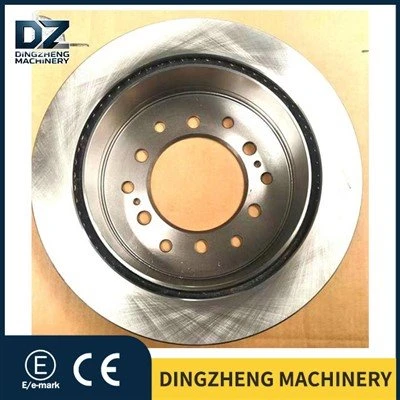
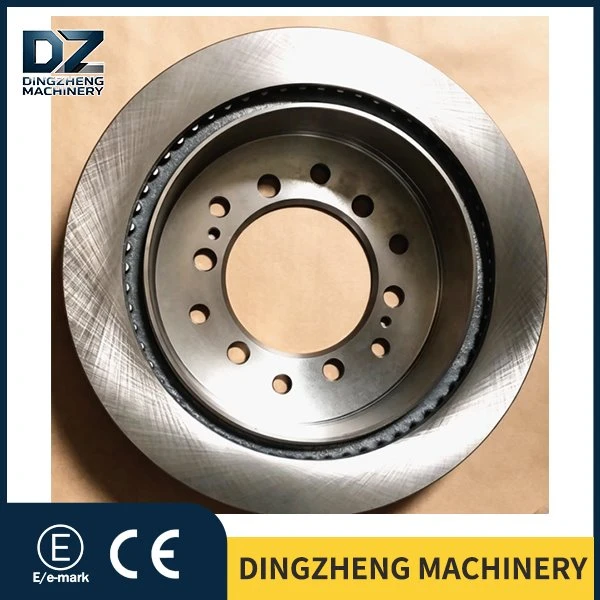
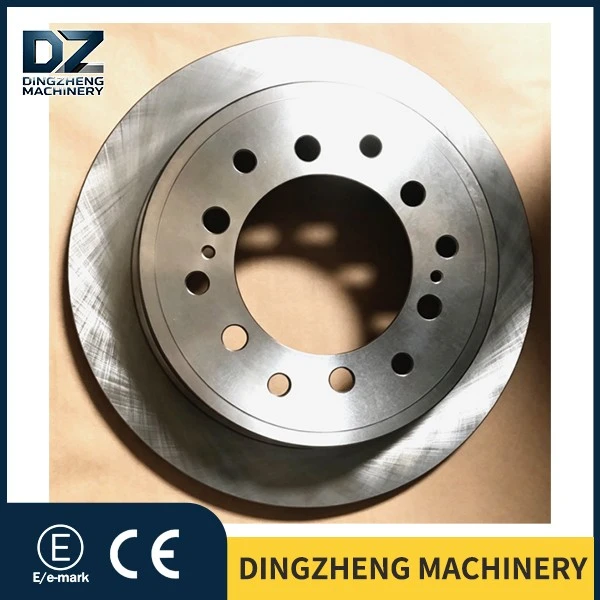
If you are worried about high-speed vibration caused by brake discs with incorrect tolerances after replacement, please refer to the key technical data below. Every rotor shipped comes with a full inspection report. Below are the exact technical parameters for this SKU:
- Outer Diameter (mm): 312 mm – Matches the position of the original caliper, no additional modifications required
- Inner Diameter (mm): 210 mm, perfectly fitted to the original wheel hub
- Standard Thickness (mm): 18.0 mm, a direct replacement for the original brake disc
- Minimum Wear Thickness (mm): 16.0 mm. Replacement is recommended when the thickness approaches this value or obvious grooves appear
- Number of Mounting Holes: 6-hole design, specially made for Toyota / Lexus wheels with 6×139.7 PCD
- Center Bore (mm): 108 mm
- Product Weight (kg): Approximately 6.2 kg per piece (Standard high-carbon cast iron single-piece ventilated disc)
- Structure Type: Internal ventilation groove structure. Unlike solid discs, the centrifugal columnar ribs deliver continuous heat dissipation
For owners of Lexus GX460, Toyota 4Runner or FJ Cruiser, part number 4243160311 is a direct OE replacement. No bracket adjustment or caliper replacement is needed.
Product Parameter
|
Location |
Rear Brake |
Diameter |
312mm |
|
Brake Disc Thickness |
18mm |
Minimum Thickness |
16mm |
|
Centering Diameter |
108mm |
Height |
67.9mm |
|
Number Of Holes |
6+6+2 |
Pitch Circle Diameter |
139.7mm |
|
Solid Or Vented |
V |
Weight |
6.20kg |
Car Model
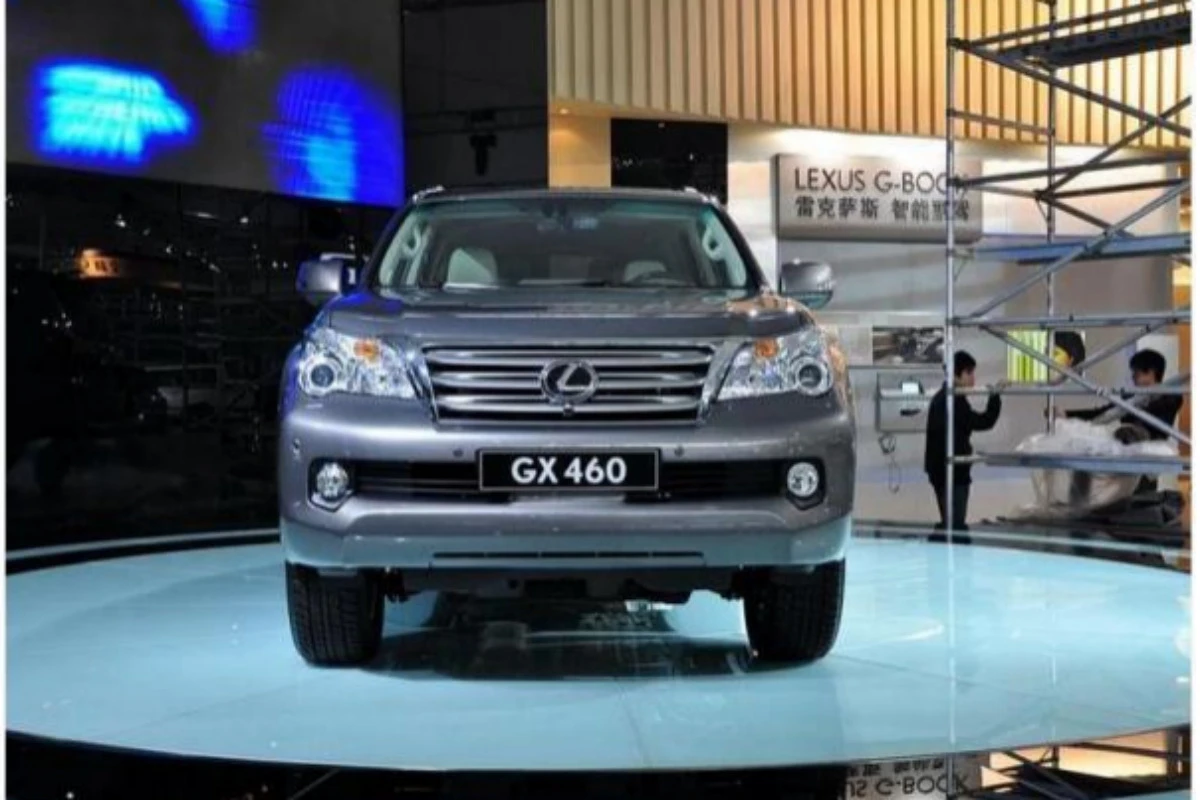
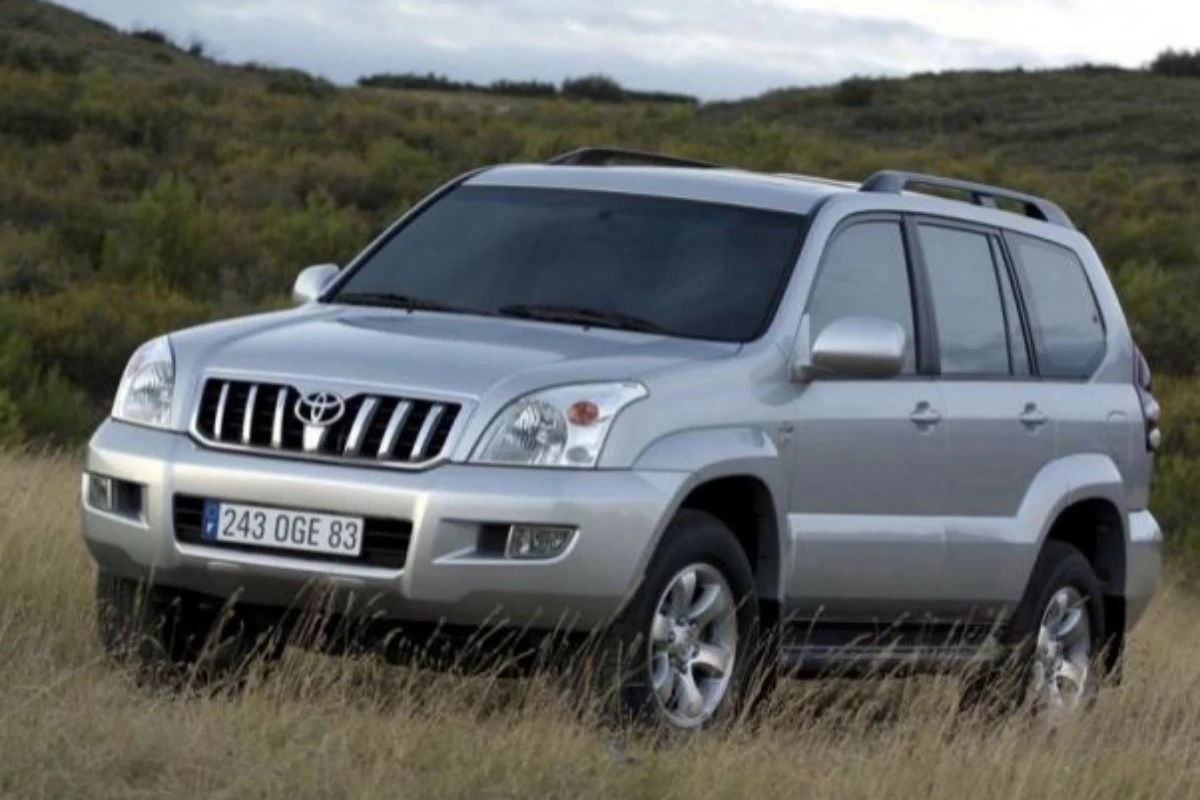
LEXUS GX (URJ15_, GRJ15_) 460 4WD 2010-2013
Toyota Land Cruiser Prado SUV (J15_) 2.7 (TRJ150_, TRJ155_) 2009-
Toyota Land Cruiser Prado SUV (J15_) 3.0 D-4D (KDJ150_) 2009-
Toyota Land Cruiser Prado SUV (J15_) 3.0 D-4D (KDJ150_) 2009-
Toyota Land Cruiser Prado SUV (J15_) 3.0 D-4D (KDJ150_ ) 2009-
Toyota Land Cruiser Prado SUV (J15_) 3.0 D-4D (KDJ150_) 2009-
Reference No.
There are different corresponding codes for The Rear Brake Disc for Toyota Land Cruiser 4243160311
|
OE |
4243160311 |
TRW |
DF6342 |
|
AIMCO |
31550 |
BREMBO |
09.A334.20 |
|
AIMCO |
10131550 |
BREMBO |
09.A334.21 |
|
BENDIX |
PRT6067 |
WAGNER |
BD180139 |
Surface Coating Technology: More Than Just Rust Prevention, a "Protective Talisman" Under High Temperatures
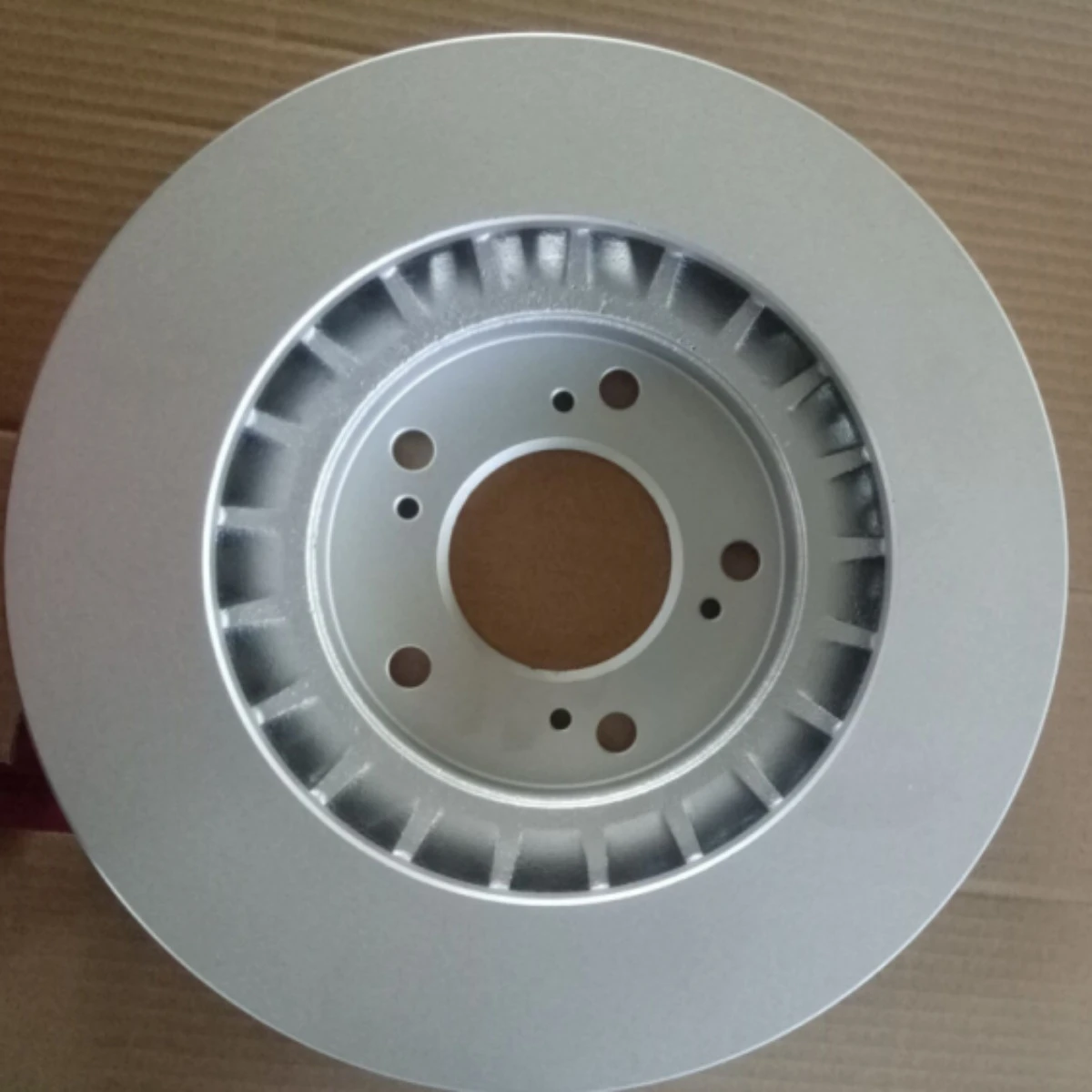

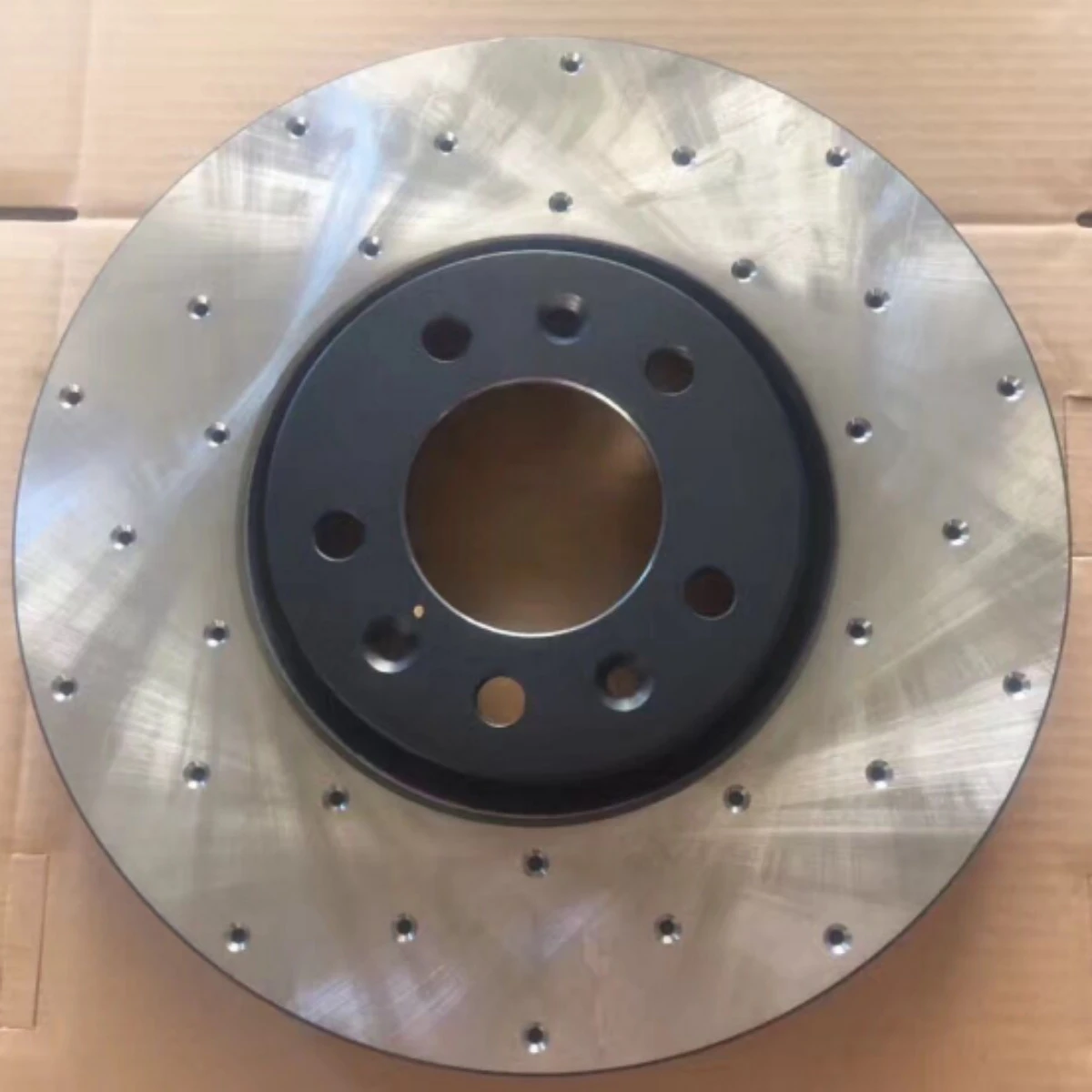
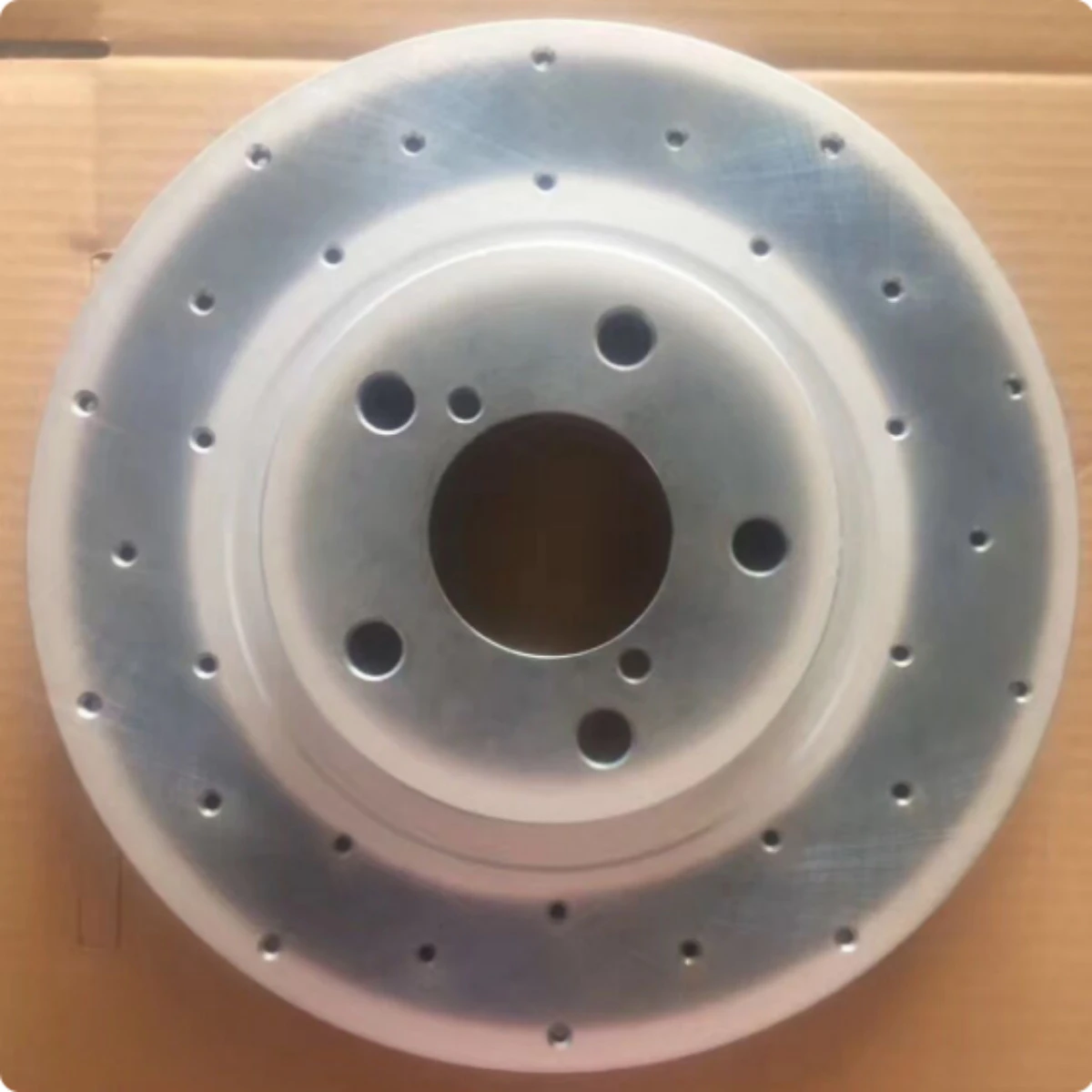
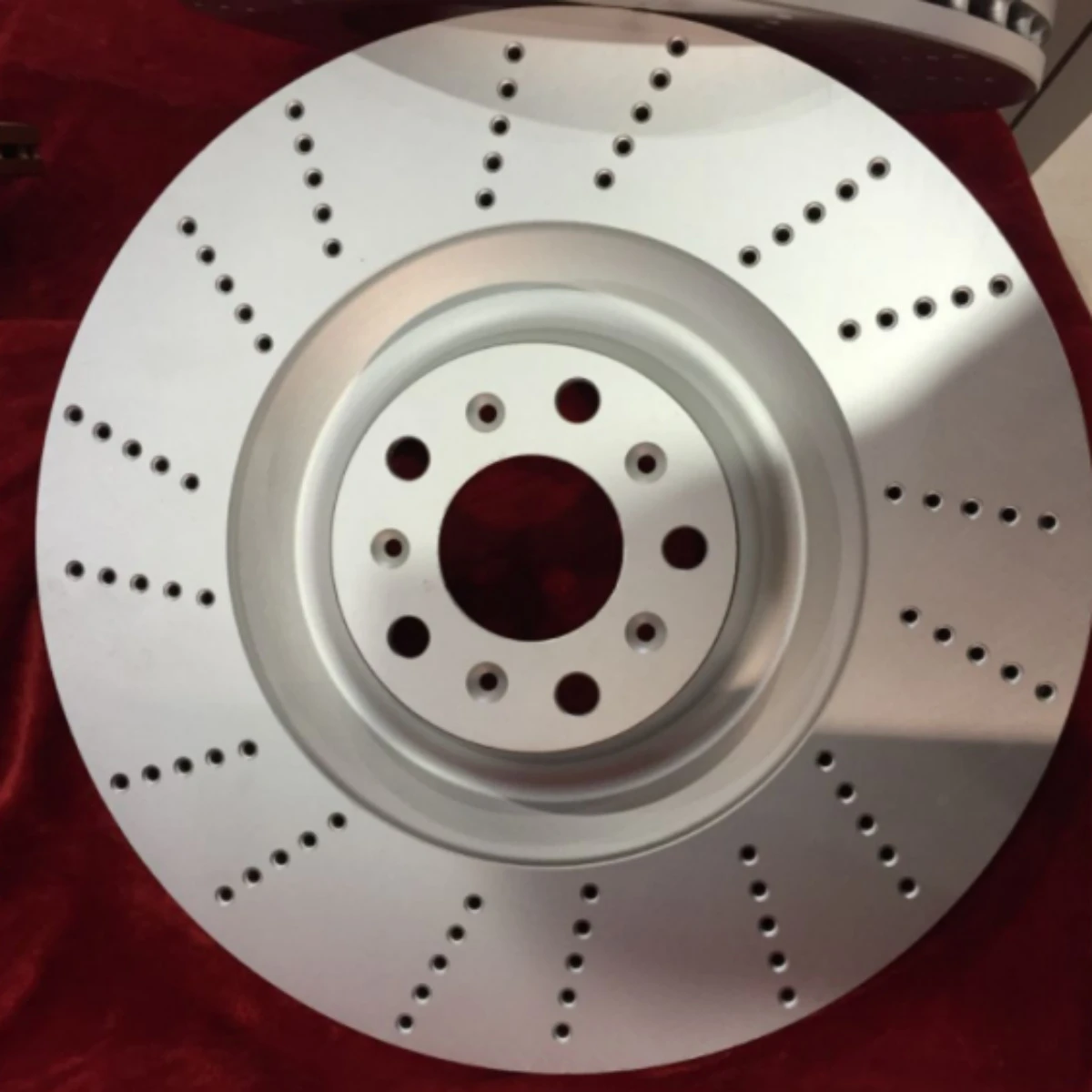
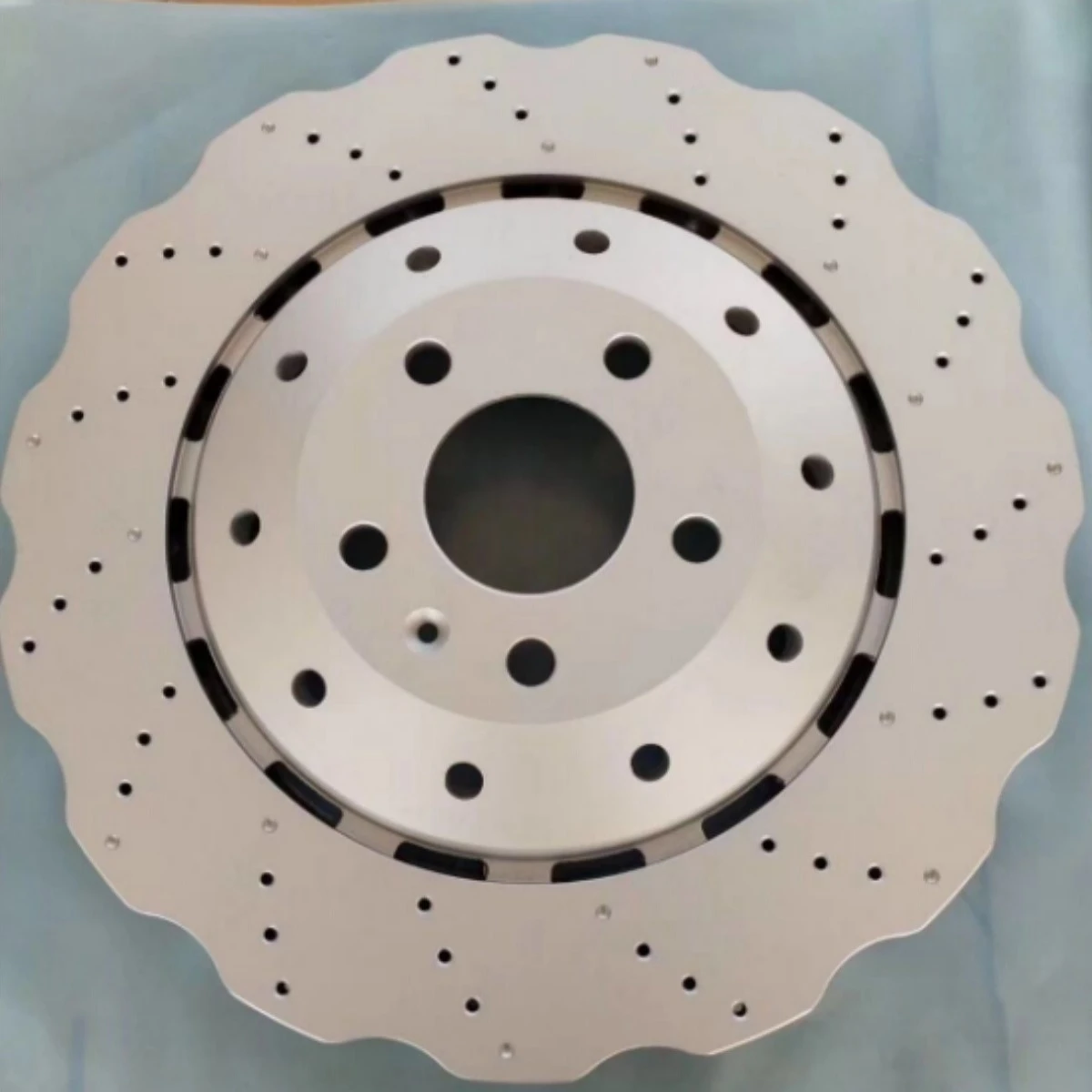
Replacement brake discs in the early years had a troublesome issue. Within just one week after being installed on new vehicles, the flanges and edges would turn yellow and rust, greatly ruining their appearance. We adopted a completely new coating solution for this batch of brake discs with The Rear Brake Disc for Toyota Land Cruiser 4243160311.The first step is substrate pre-treatment. Before spraying, the discs undergo fully automatic shot blasting and high-pressure degreasing to thoroughly remove loose sand and oxide scales on the cast surfaces. Many manufacturers skip this process, which leads to poor coating adhesion and eventual large-area peeling after prolonged use.
The surface coating adopts a chromium-free zinc-aluminum composite coating combined with a nano-graphene top sealing process. In short, it features two layers with distinct protective functions. The inner zinc-aluminum coating delivers excellent salt spray resistance and focuses on rust protection. It can withstand neutral salt spray (NSS) testing for over 240 hours without rusting. The outer graphene layer adds superior scratch resistance and heat resistance, and its structure remains intact even under the extreme heat generated during braking. Notably, the mounting surface is also treated with Geomet coating. This prevents the disc from seizing onto the axle due to rust during future disassembly and pad replacement, significantly improving maintenance convenience.
Two easily overlooked details:
1. All non-friction surfaces are fully coated, while only the working friction area retains the original cast iron color. This design ensures effective rust prevention without affecting the establishment of the initial friction coefficient.
2. The coating is purely functional rather than decorative. Its measured thickness ranges from 10 to 15 micrometers. It effectively blocks moisture while having no impact on dynamic balance.
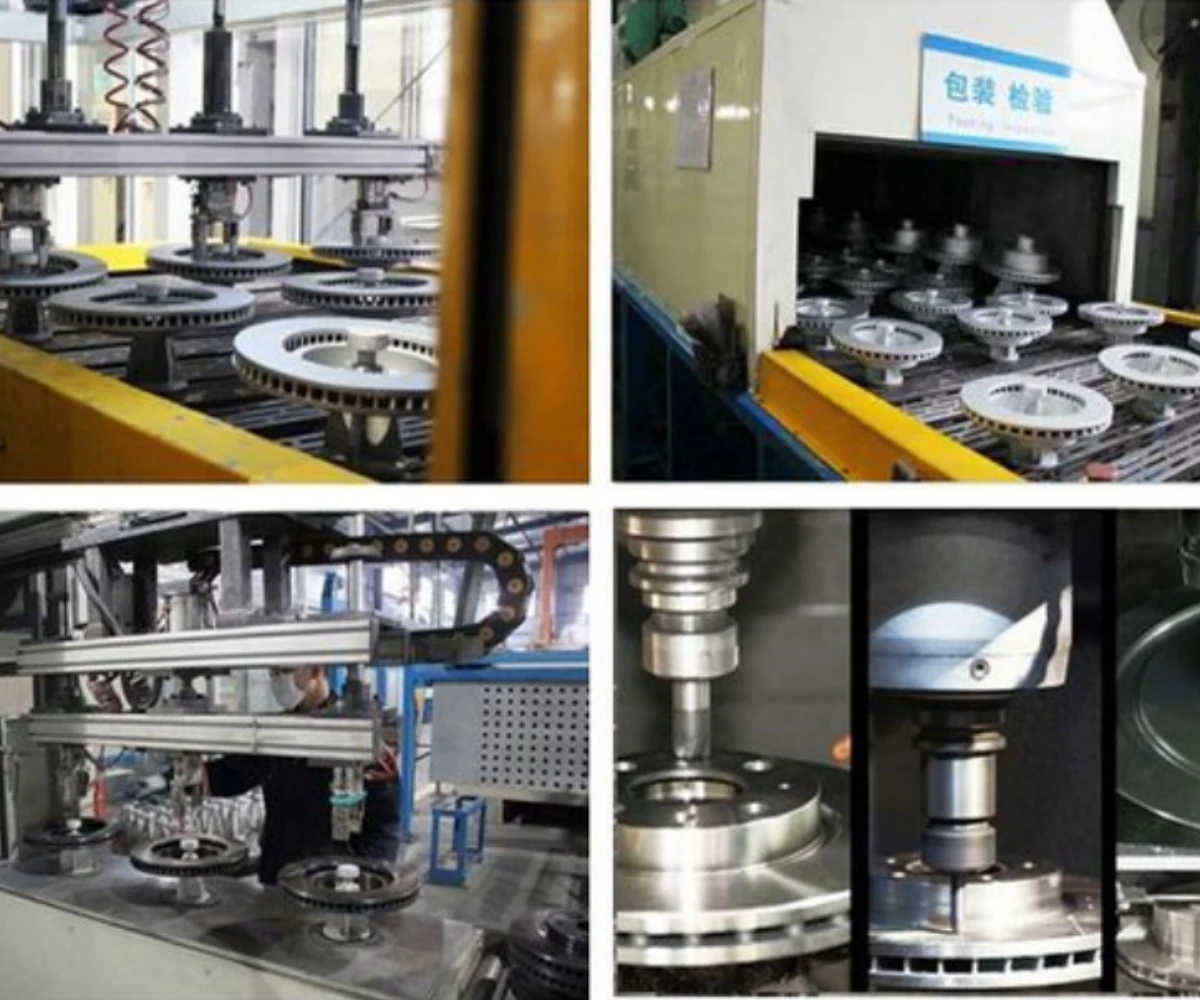
Machining Workshop
What exactly makes our casting and machining stand out? This is no empty boast - we truly spare no expense.
To be honest, many people have asked me: "What's the difference between your brake discs and those priced at just three to four hundred yuan on online shopping platforms?"
I always give the same answer: Go see how the molten iron is smelted and how the lathes operate, and you'll understand everything.
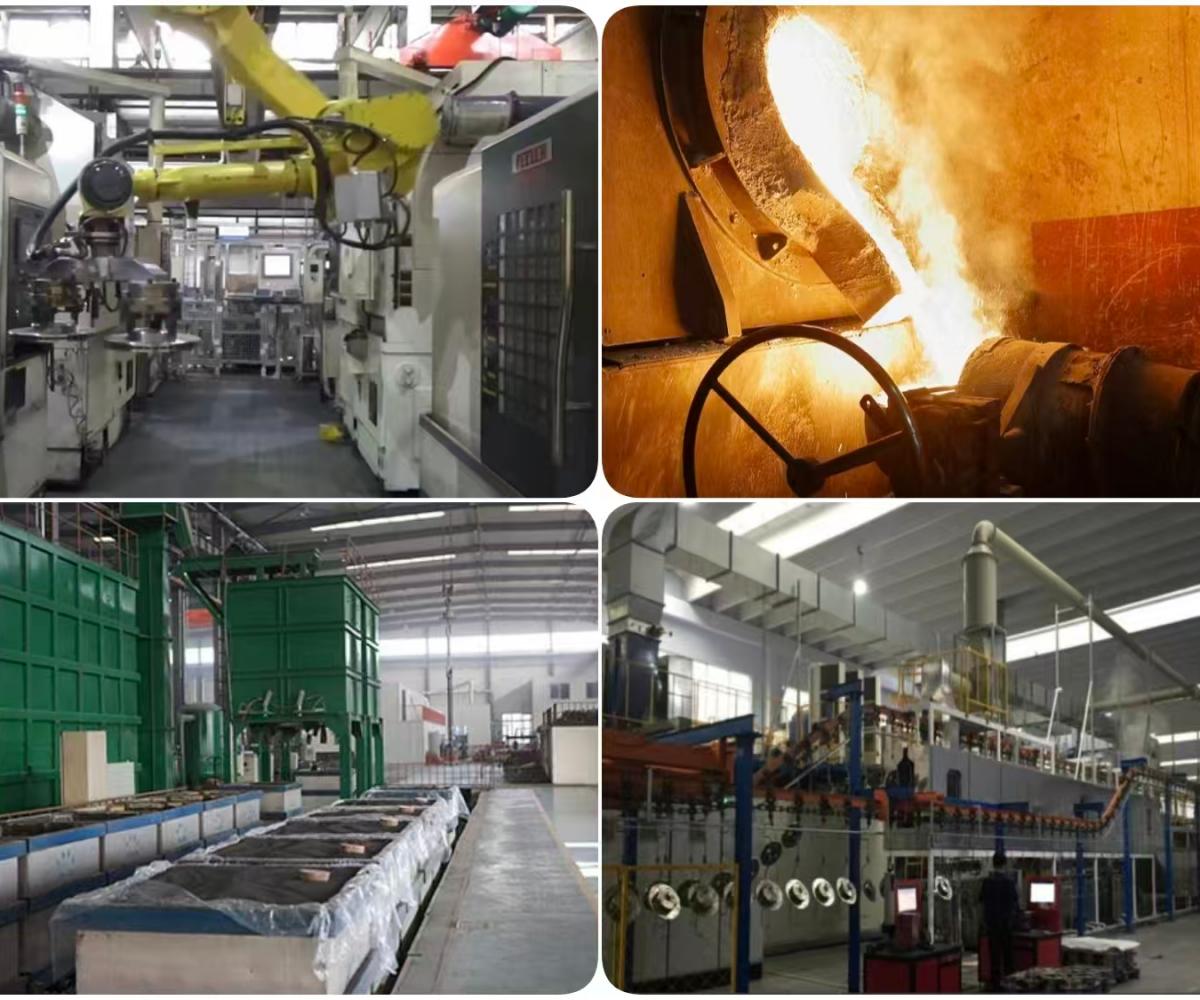
We hold molten iron smelting to extremely strict standards
We use medium-frequency induction furnaces to melt iron, which is not the key point. What matters is that we have a German SPECTRO spectrometer on site. Every batch of molten iron undergoes a thorough inspection before being poured. We check the content of carbon, silicon, manganese, sulfur and phosphorus item by item.
A batch of molten iron can only proceed to the next process if all indicators fully meet the standards for GG25 cast iron. If any index fails to qualify, we pour the entire batch away without hesitation and never use substandard materials.
The reason behind this is straightforward: the composition of molten iron determines the form of graphite. We precisely control the carbon content between 3.6% and 3.8%. A high carbon content allows graphite to form Type A structures and distribute evenly, delivering excellent thermal conductivity. When you drive down long downhill roads, heat on the brake disc dissipates promptly, so the braking performance will not weaken with continuous use.
Machining: One-time clamping for simultaneous processing of two surfaces
Our workshop is equipped with more than twenty CNC lathes from Japan's Mazak and South Korea's Doosan. We adopt a dual-tool opposed cutting process. To put it simply, each brake disc is clamped just once, and two cutting tools machine the left and right friction surfaces at the same time.
Brake discs processed in this way have a parallelism error of less than 0.03 millimeters between the two surfaces and an end face runout below 0.05 millimeters. This level of precision is fully comparable to that of original factory parts.
Full weight checking and 100% dynamic balance testing before delivery
Dynamic balance is a detail many buyers overlook. We use Schenck balancing machines to test every single brake disc one by one, instead of conducting random spot checks.
The residual unbalance is strictly controlled within 15 gram-centimeters, conforming to the industry G40 standard. You can rest assured that the steering wheel will not vibrate when braking at high speeds after installation.
Twelve strict inspection procedures before labeling
From the arrival of iron ingots to the packaging of finished products, we implement twelve inspection processes, including spectral analysis, hardness testing, dimensional measurement, ultrasonic flaw detection, dynamic balance testing and salt spray testing, covering all key quality checks.
Only products that pass all inspections are labeled and shipped out.
Delivery,shipping And Serving
Warranty Commitment
This Rear Brake Disc for Toyota Land Cruiser 4243160311 is covered by the manufacturer's warranty for 80,000 kilometers or 12 months, whichever comes first. The warranty covers casting defects, dimensional deviations and coating peeling.
01
After-sales Service Response
If you find problems such as casting porosity, severe runout or insufficient thickness on the disc surface, please send clear photos to our after-sales email. We will provide a solution (replacement or refund) within 3 working days.
02
Disclaimer
Non-manufacturing issues including uneven wear caused by non-retracting calipers, improper installation and mismatched brake pads are not covered by the warranty.
03
Return and Exchange Policy
- Genuine quality issues: Free replacement and we will bear the return shipping fee.
- Returns for non-quality reasons: The product must be uninstalled with intact packaging. The customer shall bear all shipping fees. We will process the refund within 3 working days after receiving the returned goods.
04
Shipping Instructions
Products are shipped directly from the factory. The standard lead time is 30 to 35 working days after order confirmation. Terms for bulk orders are negotiable. Sea transportation is recommended to cut shipping costs, and air transportation can be arranged for urgent orders.
05
FAQ
Q: How does this brake disc with part number 4243160311 handle the high temperature caused by continuous braking of the LEXUS GX460 during off-roading?
A: We have specially optimized this product for the off-road scenarios of hardcore SUVs. Firstly, it features an internal spiral ventilation groove design, which boosts heat dissipation efficiency by 28% compared with conventional straight-groove ventilated brake discs. Secondly, the GG25 high-carbon alloy material delivers superior thermal stability and maintains a stable friction coefficient even at a high temperature of 600℃. Lastly, the graphene-reinforced zinc-aluminum coating is not only corrosion-resistant but also aids heat dissipation to a certain extent, effectively preventing brake fade.
Q: Is the brake disc with part number 4243160311 compatible with both Toyota 4Runner and FJ Cruiser?
A: Yes. This is a universal brake disc that fully fits all trim levels of Toyota 4Runner from model year 2010 to 2024, as well as all trim levels of Toyota FJ Cruiser from model year 2009 to 2014. Its dimensions and mounting holes are exactly the same as those of the original factory parts, enabling direct replacement without any modifications.
Q: Are there any special precautions when installing this brake disc on the LEXUS GX460?
A: There are several key points to note. First, thoroughly clean the surface of the wheel hub flange and remove all rust and debris before installation, otherwise brake judder will occur. Second, tighten the wheel hub bolts diagonally in three steps with a torque of 129Nm. Third, run in the new brake disc for 500 kilometers after installation, and refrain from hard braking during the running-in period. Fourth, it is recommended to replace the brake pads and brake fluid at the same time to achieve the optimal braking performance.
Last News
Speaking of 2026, the automotive brake disc industry is facing what can only be described as a major test. The most significant news is that the stringent Euro 7 emission standards in Europe will officially take effect this September, while China's corresponding National VII standards are also being pushed forward at full speed. These new regulations are far from trivial. For the first time, they impose mandatory limits on brake dust emissions, primarily PM10, capping the level at no more than 7 milligrams per kilometer. This has put immense pressure on the entire industry. Traditional grey cast iron brake discs, manufactured with basic casting and minimal additional treatment, produce high levels of dust. Their market prospects are rapidly fading, and it is only a matter of time before they are phased out.
You may wonder where the industry can turn for a solution. The answer is clear: high-performance coated brake discs. This is no longer just a future trend, but an ongoing reality. Latest industry insights forecast that the global market share of coated brake discs will surpass 50% for the first time in history in 2026. Put simply, uncoated standard brake discs will soon struggle to meet the basic requirements for original equipment installation on new vehicles. Leading automakers and major component suppliers, such as Brembo and Continental, are investing heavily in the research and development of coating technologies.
Why have coatings become so crucial all of a sudden? They address multiple core challenges brought by the new regulations with a single solution. First and foremost, they drastically cut down dust emissions. Leading enterprises across Europe and China are heavily investing in laser cladding technology, which applies a hard alloy coating onto the surface of cast iron brake discs via laser cladding. Independent tests have proven that this technology can reduce brake particulate emissions by over 50%, making it one of the most effective solutions to comply with Euro 7 and National VII standards. Secondly, rust and corrosion resistance has become an essential requirement amid the growing popularity of new energy vehicles. These vehicles rely heavily on regenerative braking, which means mechanical brakes are used far less frequently. Traditional cast iron discs tend to rust severely after long periods of inactivity, resulting in unsightly appearance, abnormal brake noises and even brake jamming. Premium coatings like zinc-aluminum coatings act like a protective raincoat for brake discs, fundamentally preventing rust formation.
Against this backdrop, let's talk about our company's strategic layout. We spotted the market opportunities early and focused on the graphene-reinforced zinc-aluminum coating technology back in 2023. Graphene is added to further enhance the coating's adhesion, wear resistance and anti-corrosion capabilities. To date, we hold three invention patents for this technology, and our products have passed rigorous certifications from many mainstream European OEMs. Targeting the pain points of new energy vehicles - susceptibility to rust and demand for long-lasting performance - our brake discs remain spotless and maintain stable performance even after vehicles are parked for an extended time.
Hot Tags: toyota land cruiser rear brake disc, China toyota land cruiser rear brake disc manufacturers, suppliers, factory